

Where in the world are we?

Once again I wish to acknowledge and thank my wonderful friend Shoba Nayar, who edits my writing, and whose careful eye and amazing suggestions helps bring alive stories from our travels!

How did this journey come about?

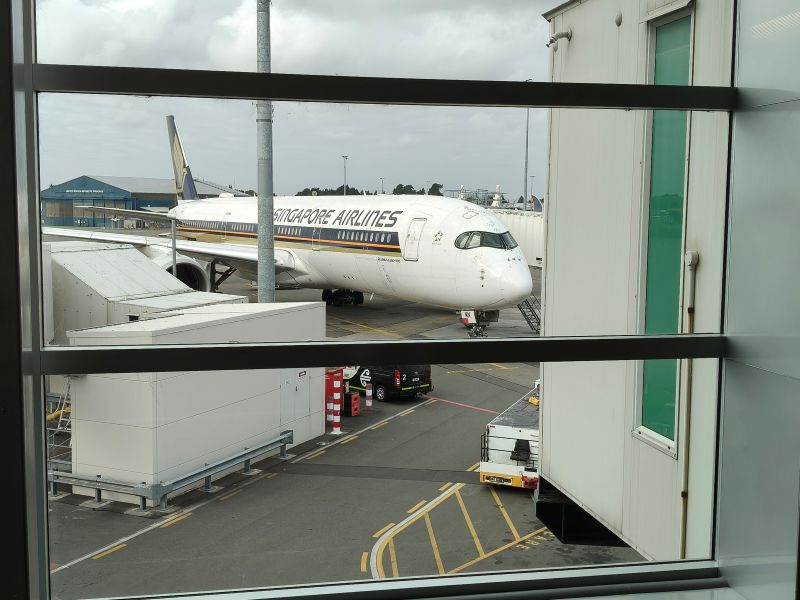
This journey began with small steps as the momentum to return to Spain took hold. It started with a brief discussion about visiting our Buddhist Lama in Germany; then it was, “Well, if we go to Germany, we need to go to Spain”, and the idea was born. Later as I was shopping, I found a colourful cookbook, ‘Take Me to Spain’, which I purchased for Manfred for Christmas. Over the next few months, whenever the weather was bad or something was not right, I had fun saying to Manfred, ‘Oh well, just take me to Spain’! And so this carried us through the planning and booking process.
Check out the book in the link here: https://www.beatnikpublishing.com/products/take-me-to-spain
First days in Alicante

On arrival in Spain, following a false start leaving New Zealand due to aeroplane problems, we located our hire car and drove eastwards along the coast, towards the Costa Blanca and rural Alicante. It was early afternoon when we set out and, after stopping in Almeria for food, we enjoyed the vistas from the car before arriving at our accommodation, Casa Rural Finca El Pao, a journey of just under 500km (310mi) from Malaga. We were met by Geraldene, whom Manfred had been in contact with when organising our trip. We were provided a light dinner and fell into bed exhausted following the delays and long flights.
Remember to open up the photos to see them in full size!

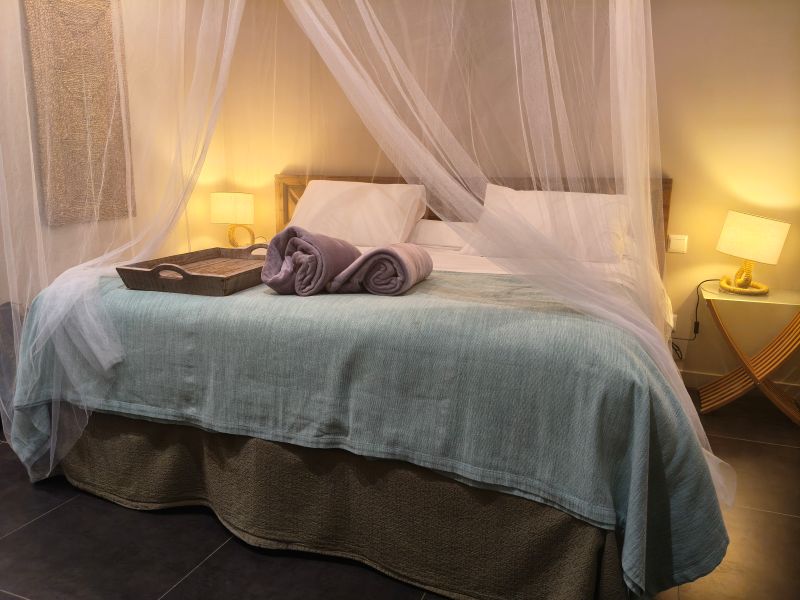

Checkout or book your stay at El Pao here: https://www.fincapao.com

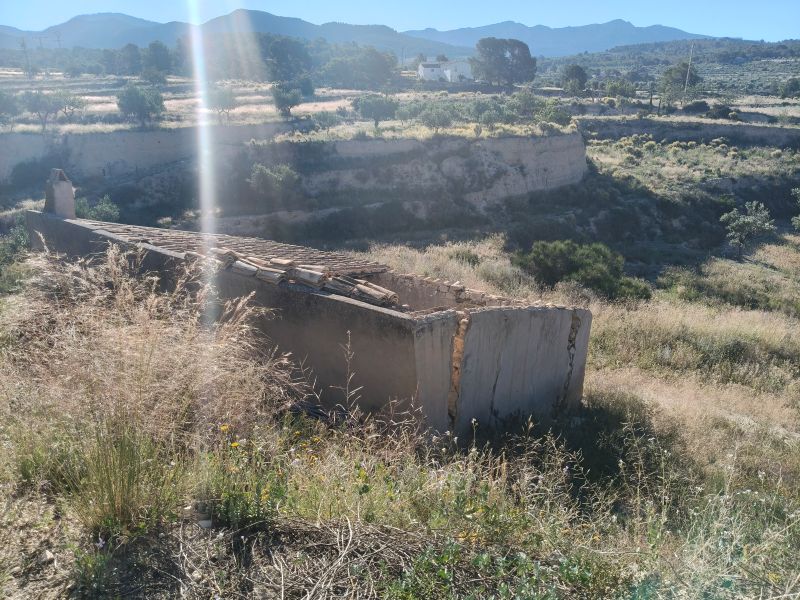
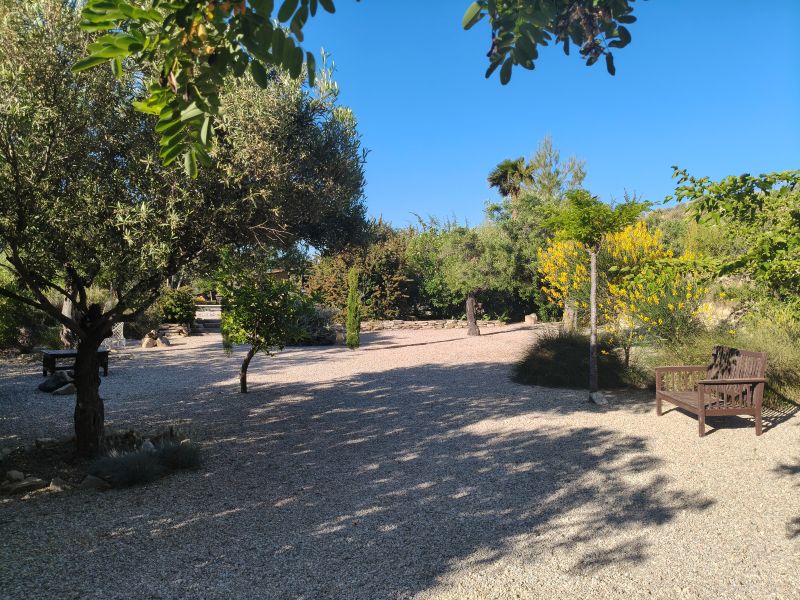
Around El Pao – the morning walk to the pool and around the gardens
The Turrón of Alicante
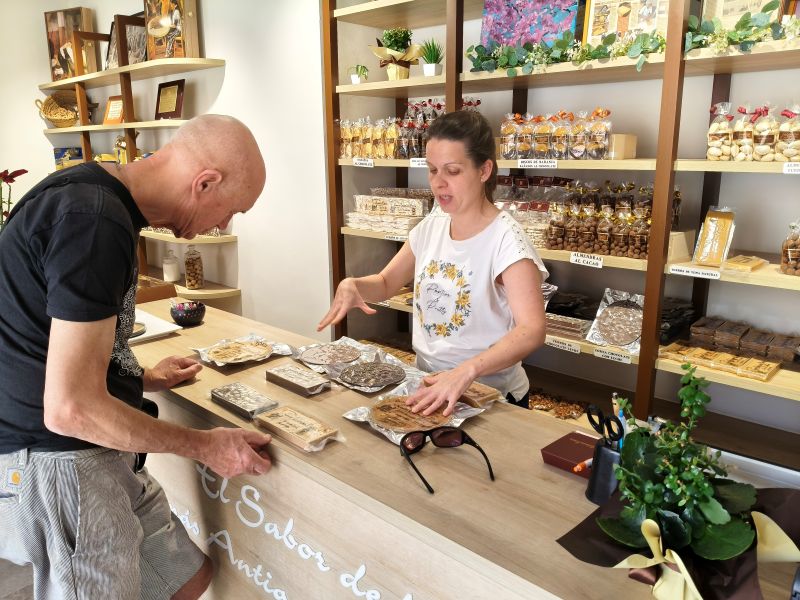
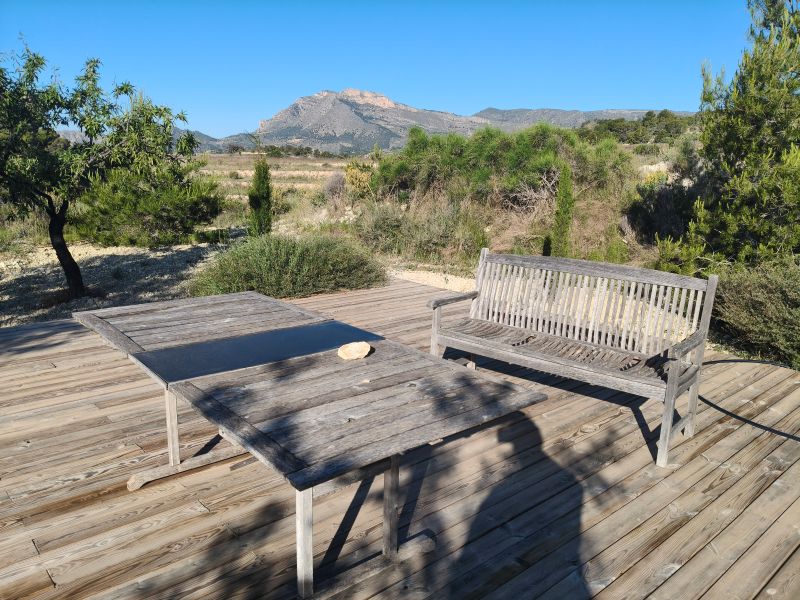
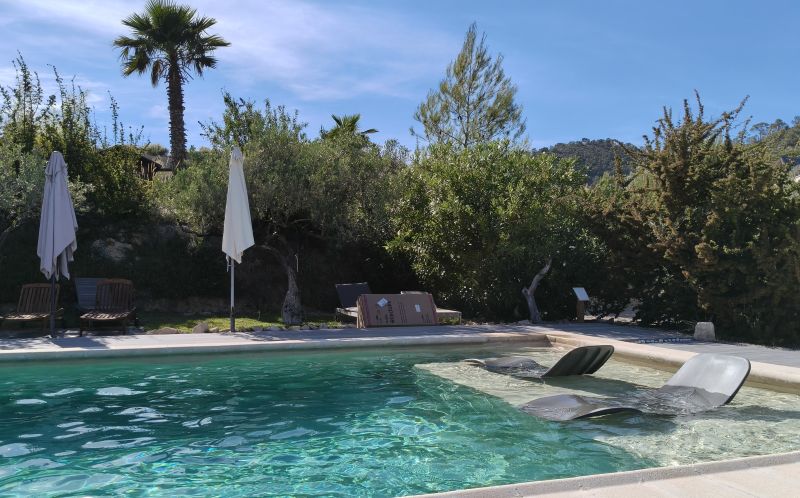
The next day dawned bright and sunny. We wandered around the gardens and the pool as we settled in, having a swim, and chatting with Sergio. Our chef and host for our stay, Sergio offered good ideas on where to find the best handcrafted Turrón producer in the nearby town.


In the afternoon, we drove 10km (6mi) into Xixona (Jijona), the birthplace and home of artisans for hundreds of years in making Turrón – the sweet and tasty traditional Spanish nougat, famous in this region. In the past, they would crush the almonds by hand using a long rolling pin and a curved wooden board sitting on wide legs. Today many of the processes are automated but it still tastes good!


Remember to open up the photos to see them in full size!
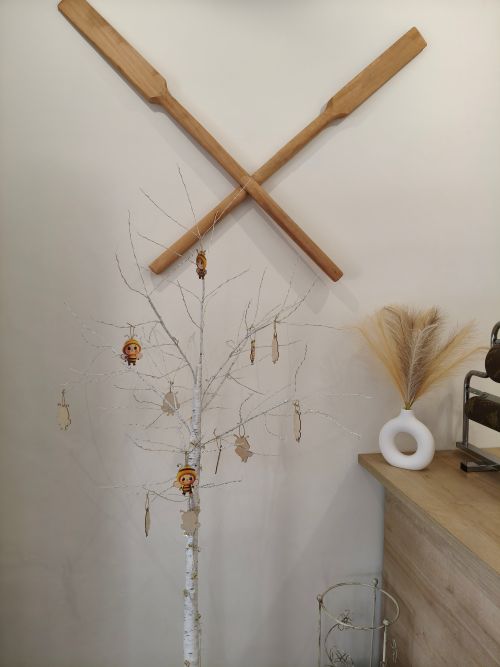
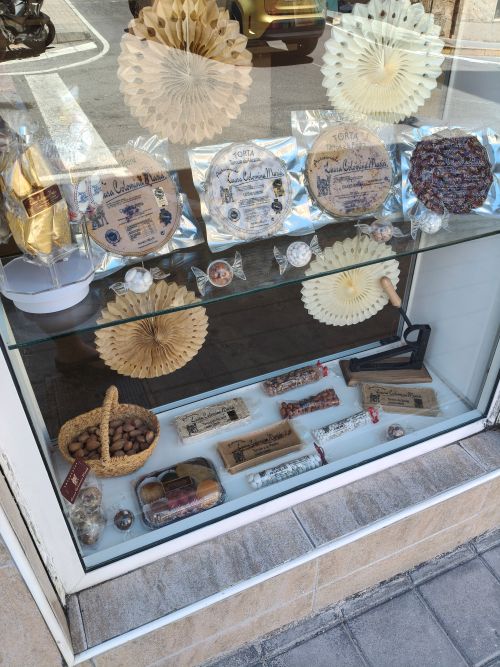

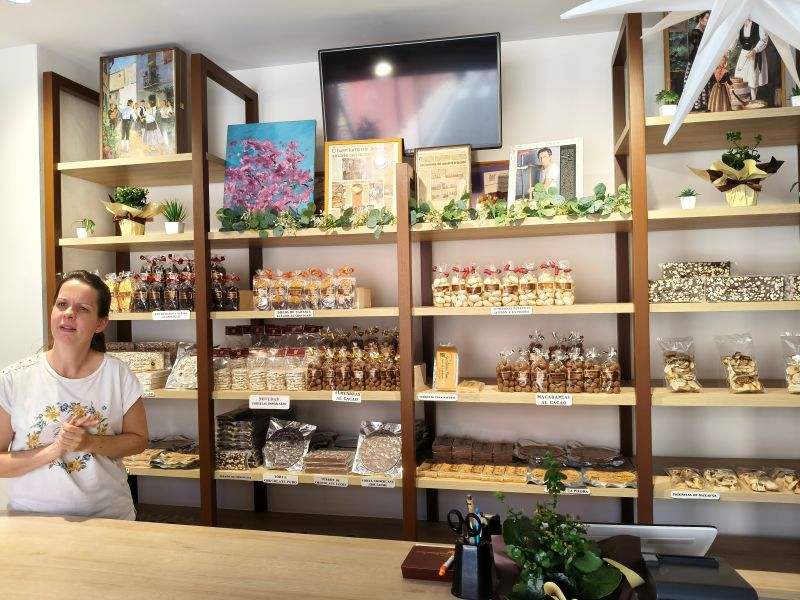

Read more about Xixona Turrón style nougat here: https://lauracolomina.com

The Museum of Turrón is located on the road to Alicante, but after tasting, talking, and purchasing our Turrón goodies at the ‘Laura Colomina Masiá’, a local artisan nougat company, we decided to stay in Xixona and enjoy the rural fruit and vegetable market in one of the streets before stopping at a tapas bar for lunch.

First encounters with a Tapas Bar – this trip!
Cerveseria El Quicorro (opened in 1922) was a nice place to stop and have tapas with a ‘Tinto de Verano’ (red wine, with lemon/lemondade and ice)—a favourite drink for us.

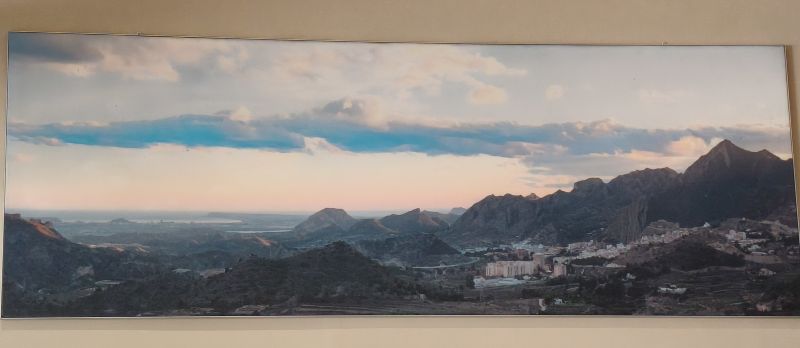

On the wall are photos of Xixona, one from the olden days and one from a distance showing how it sits under the mountain. We could also see it from the distance of our accommodation.
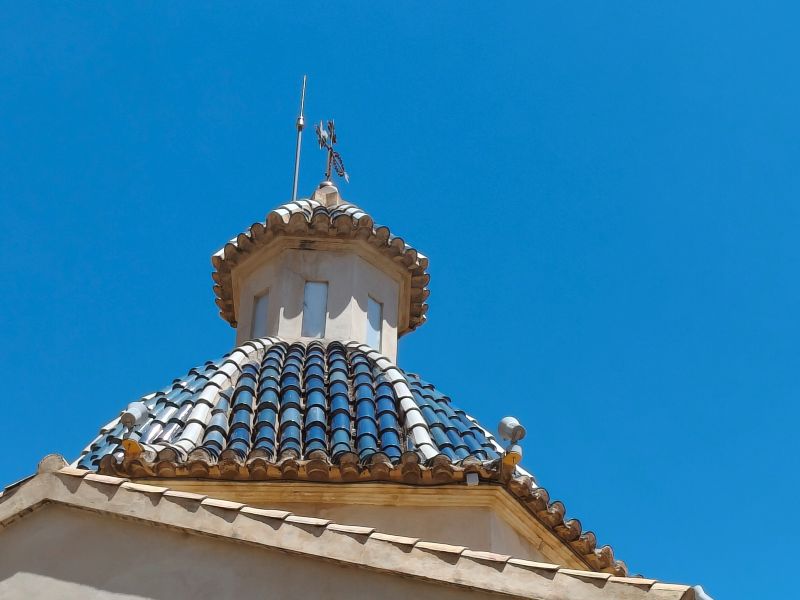
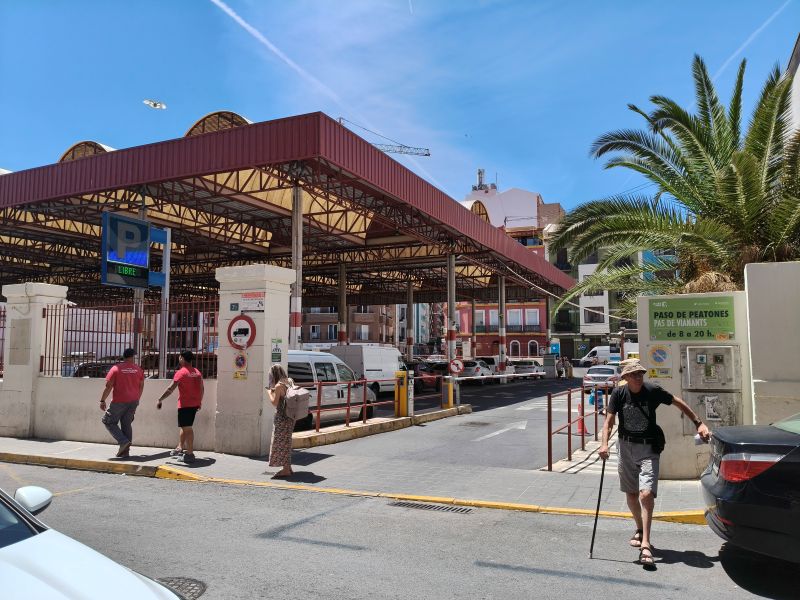
Our car was parked near a school, the municipal building, and the church, which became the subject of photos.
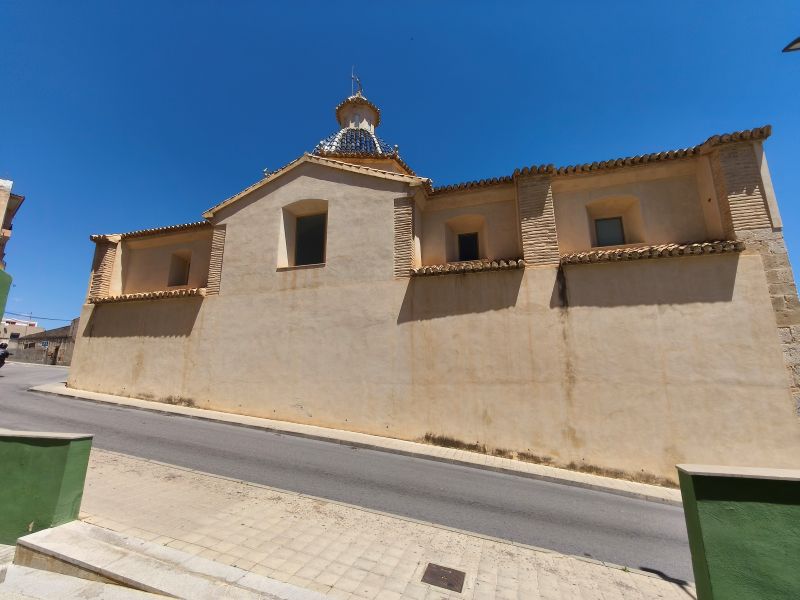

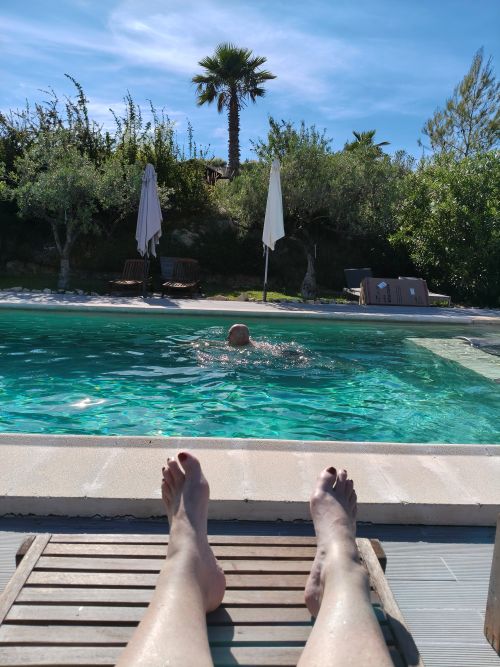
Returning to El Pao, we swam, rested, and had a delicious dinner cooked by Sergio.
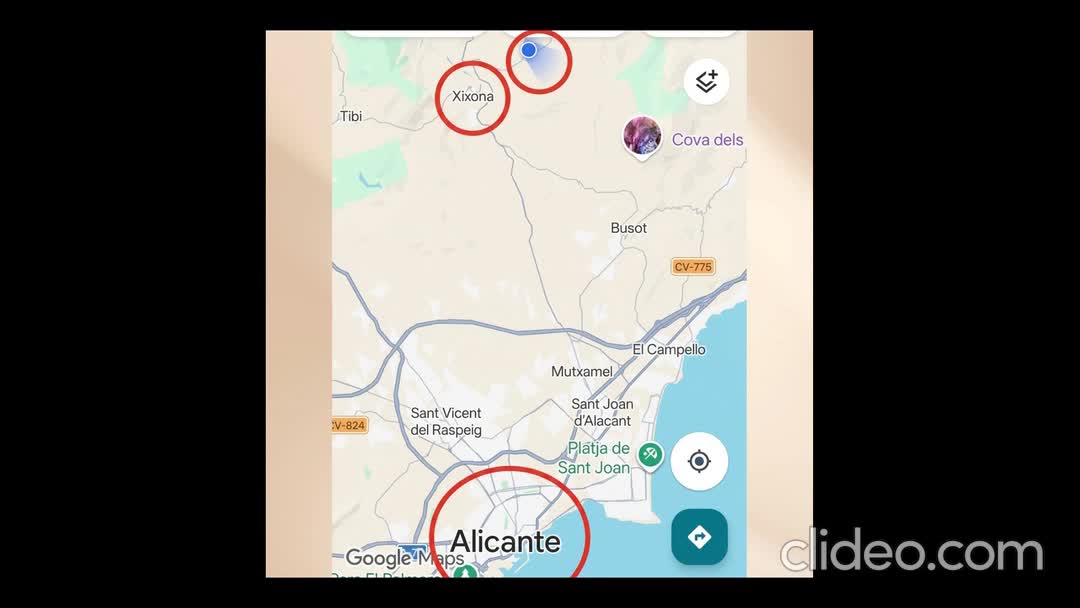
A Day in Alicante City: History & The Port

Alicante, a vibrant city on the coast, enjoys about 300 days of sunshine a year. Along with its golden sandy beaches and mild Mediterranean climate, it attracts holidaymakers and cruise ships. This historic port town’s name has its roots in Arabic, Latin, and Greek. The area around Alicante was inhabited for 7,000 years by the early hunter-gatherers from Europe and the Phoenicians from the Eastern Mediterranean regions, who came to this port city on the east coast of Spain. Here they traded and introduced the alphabet, iron, and the pottery wheel. In the mid 230s BC, the area was known as ‘White Mountain’ and ‘White Point’, and the Romans ruled for over 700 years. After the Romans, the Visigoths from the Balkans ruled for 300 years until the Arabs came and the Moors took over until the 13th century, when the Reconquista occurred. Initially trading in wine, olive oil, oranges, rice, and wool, after the expulsion of the Jews and remaining Moors, the skilled artisans and agriculturists were gone, and the region fell into hard financial times. At the end of the 19th century, with the agricultural uptick from trading almonds, oranges, and fish, the region took a turn and recovered the local economy. The port was strategic during several wars, and since the 1950s and 1960s has developed more tourism after much of the trade was moved to the port of Valencia.
Alicante: Castle of Santa Bàrbara

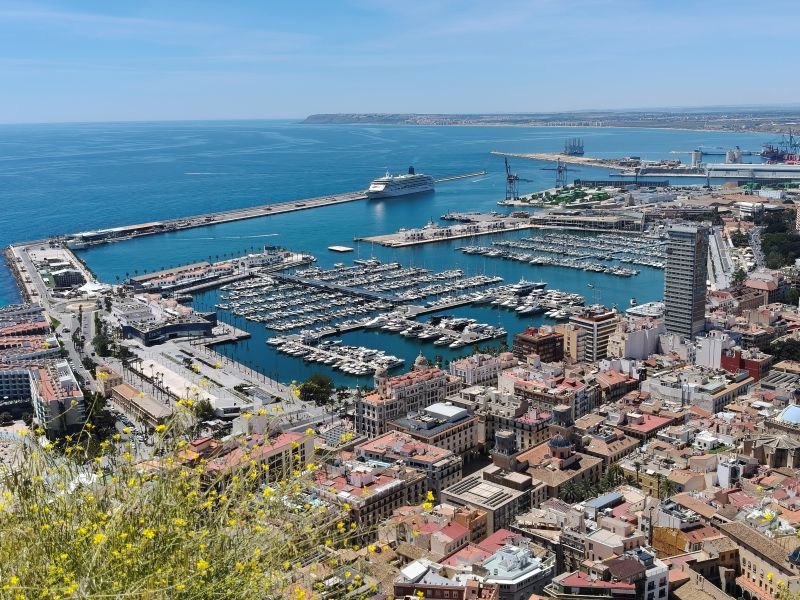
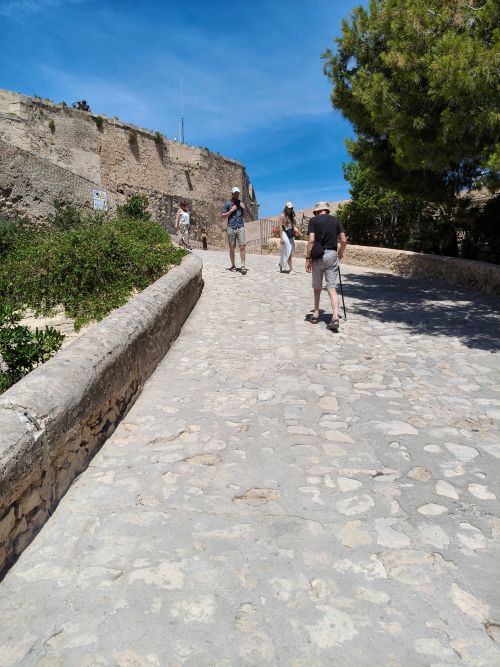
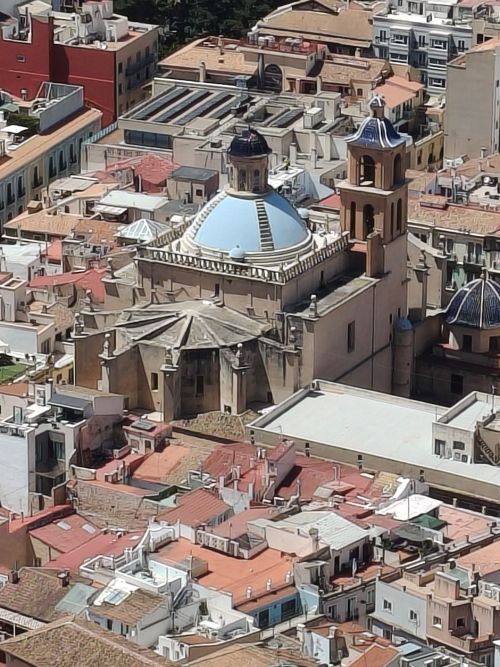
Our first mission for this day was to visit the notable 9th century Castle of Santa Bárbara, a medieval fortress, siting on the cliff edge of the 166m (545ft) Mt Benacantil, which dominates the city and the port. The climb was steep and in the heat, with reflection off the rocks and stone pathways, it was hard work, but we made it and enjoyed the vistas from many angles down to the expansive city, including the old city just below the cliffs, across the bay, and to the port where a cruise ship was in residence.
Remember to open up the photos to see them in full size!


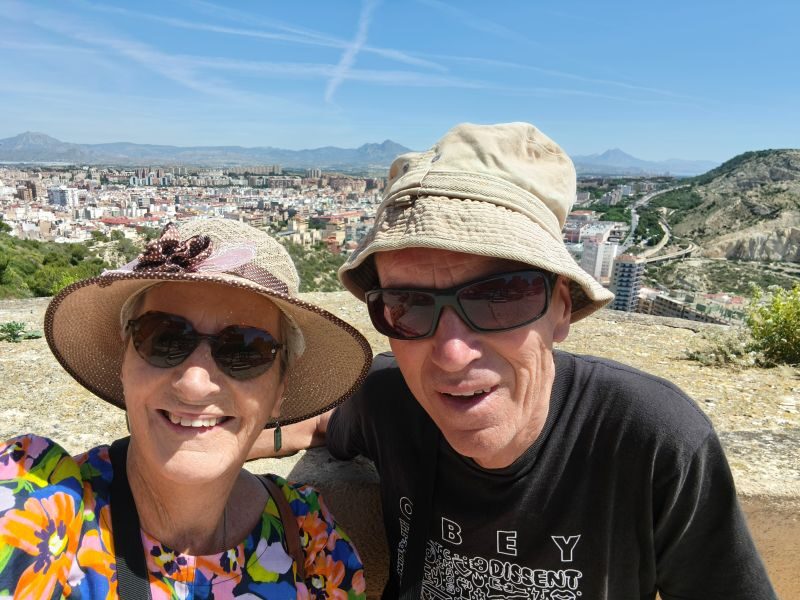
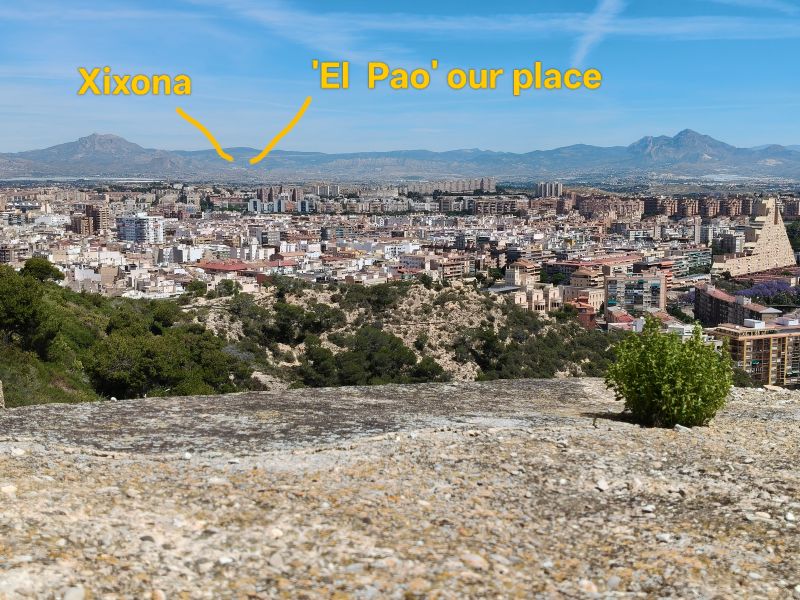
We could also see all the way to Xixona and to the area of our accommodation. Extensions were built below the main tower in the 16th and 18th centuries, creating the middle and lower enclosures. The site of many bombardments over successive wars, it was also used as a prison and a concentration camp before being fully restored and opened to the public in 1963.




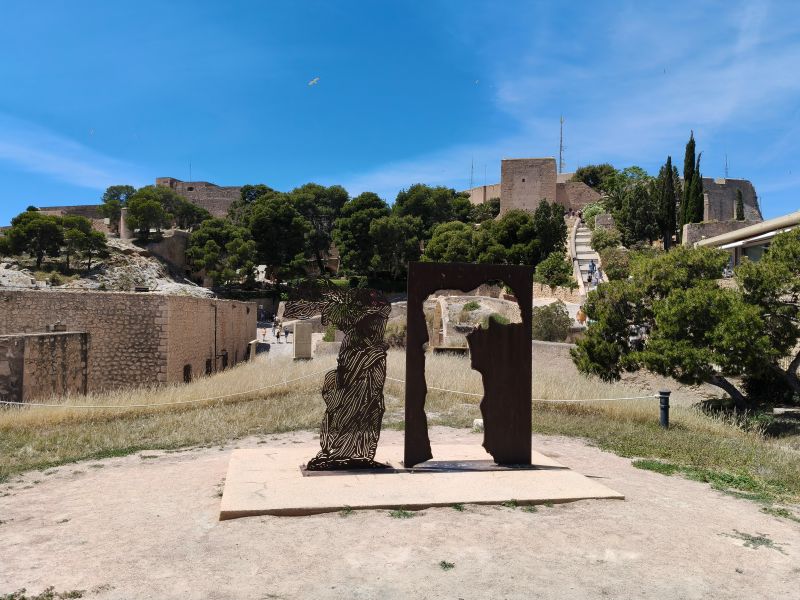
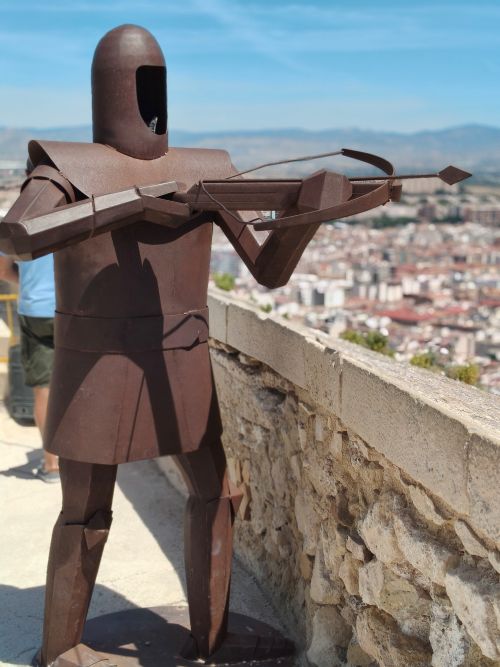

Alicante: The Central Market & Sciroccos Tapas Bar
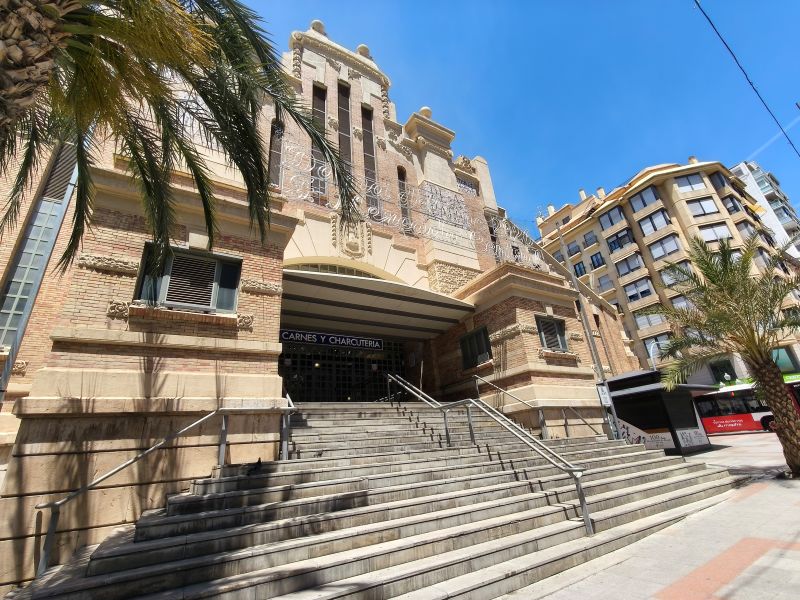
Making our way back down to the car, we decided to try and locate a small tapas bar Manfred had found in his research called ‘Sciroccos’, located in the Central Market.
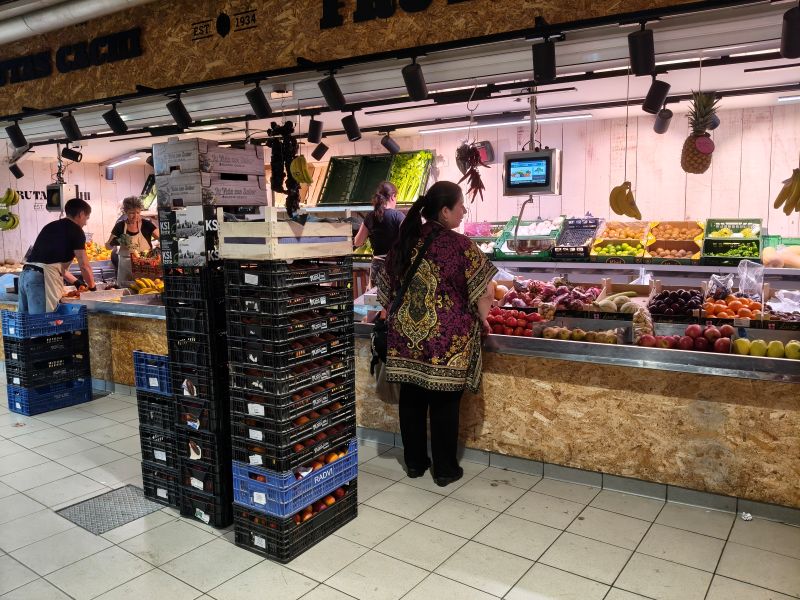


After searching the market as the stalls were closing, and thinking the tapas bar would be closed, we finally got taken to it by a ‘good Samaritan’ – a small ‘hole in the wall’ with six red stools on the outside of the bar.
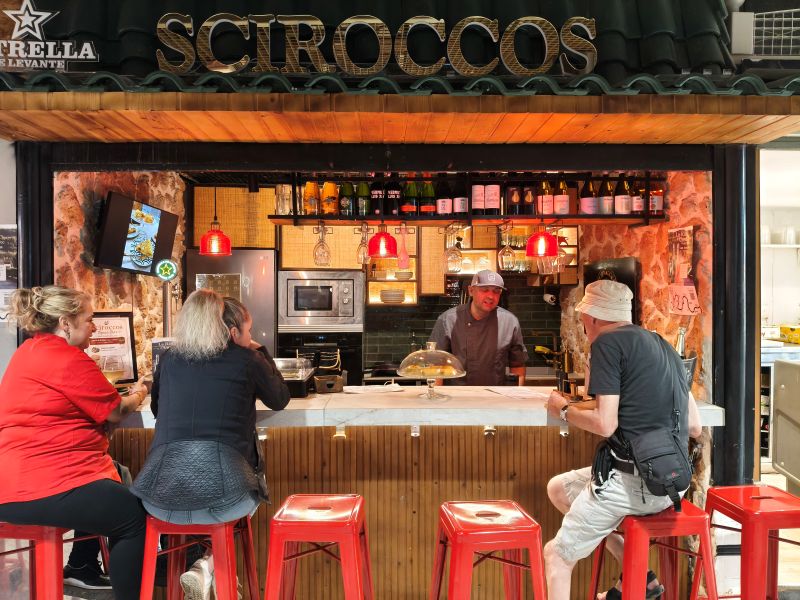
We enjoyed well-presented food, Vermouth, for which the region is famous, and were presented with orange peel frozen in ice, created by his wife. We chatted with the owner and his wife, staying for some time before we had to find our way out again through the myriad of levels, lanes, and glass doors of the market.
Remember to open up the photos to see them in full size!
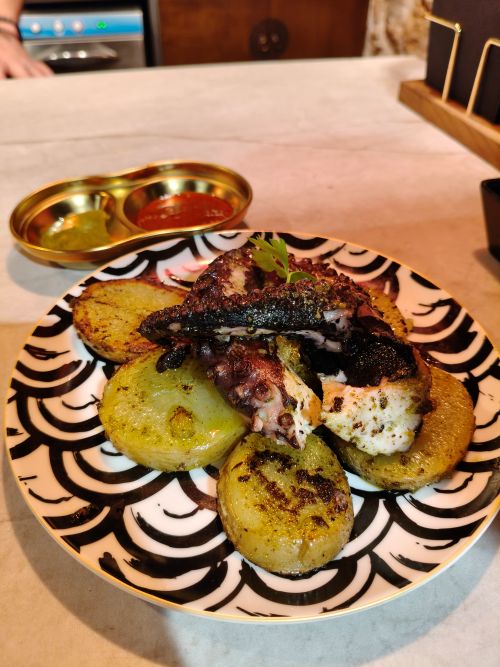
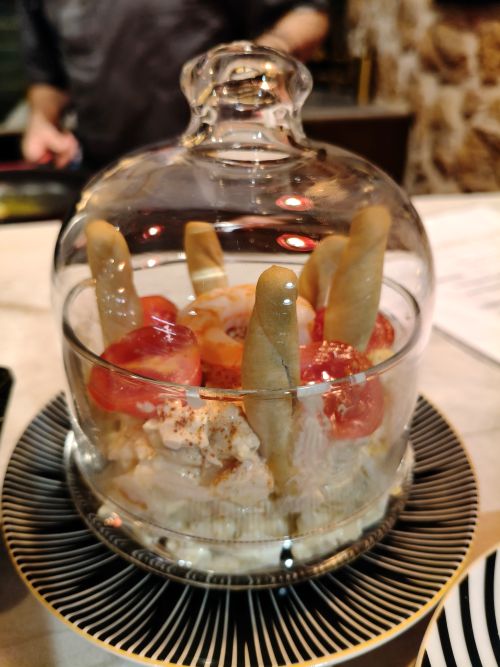


Check out Sciroccos Tapas Bar here: https://www.facebook.com/p/Sciroccos-Tapas-Bar-in-the-Central-Market-61589119672496
Back at El Pao, the pool was a great way to relax after a big day in the city!

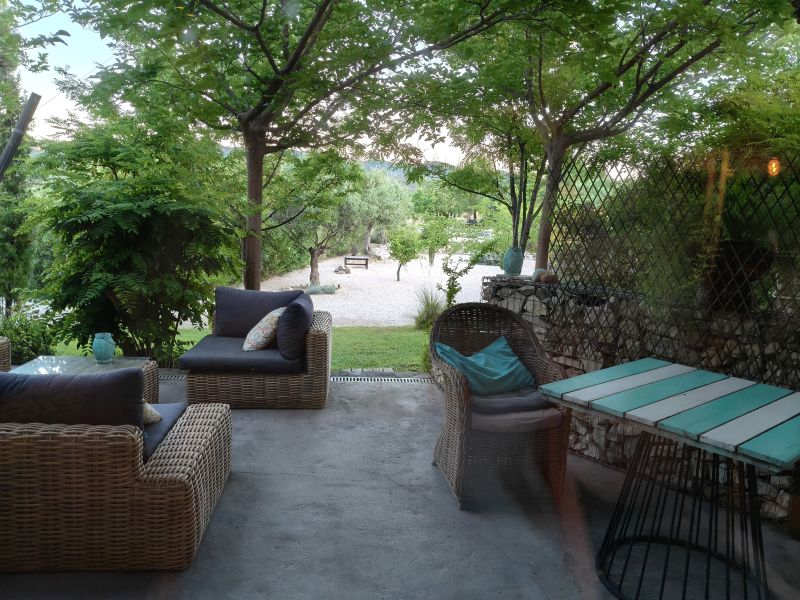

Views around El Pao
A Roadie to Guadalest

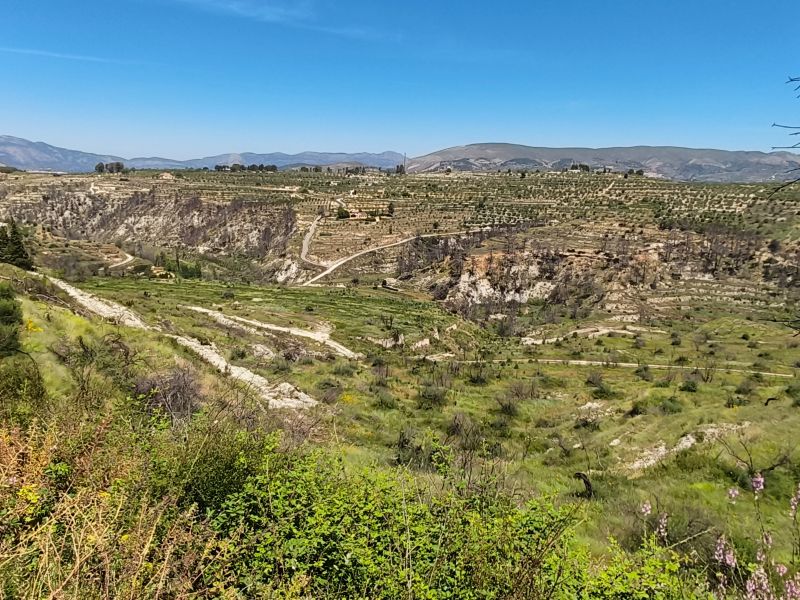
The next day, we left El Pao and drove up into the hills in the opposite direction from Xixona and Alicante. We stopped frequently to enjoy the views down valleys and across the fields of olive trees, agricultural pastures, and the region of La Torre de les Maçanes.
Remember to open up the photos to see them in full size!
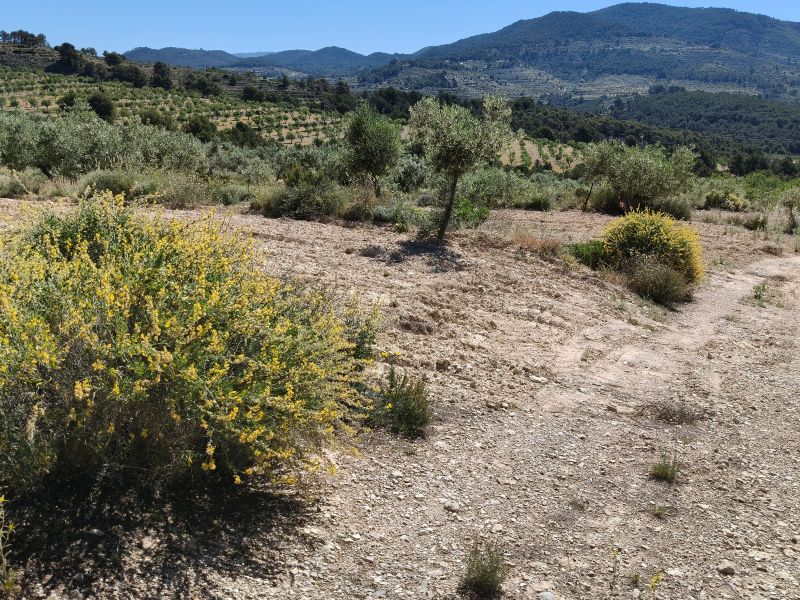
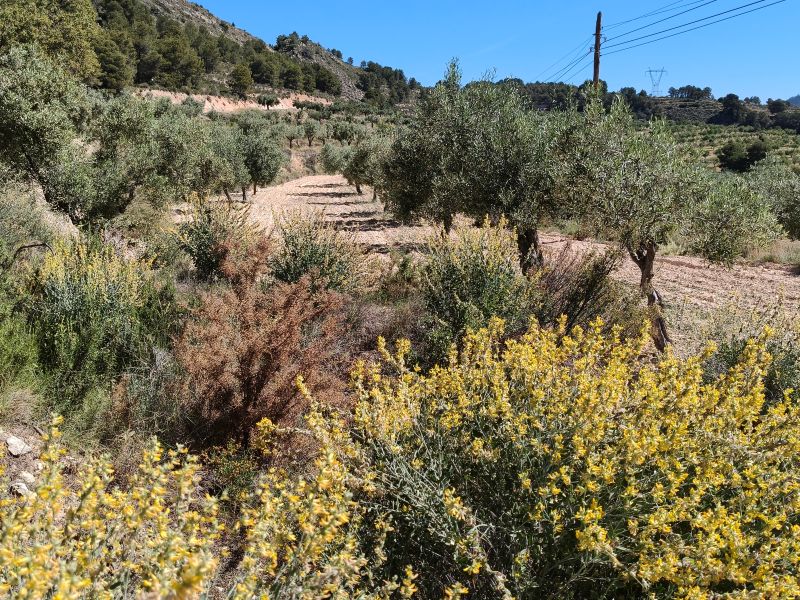

Benifallim
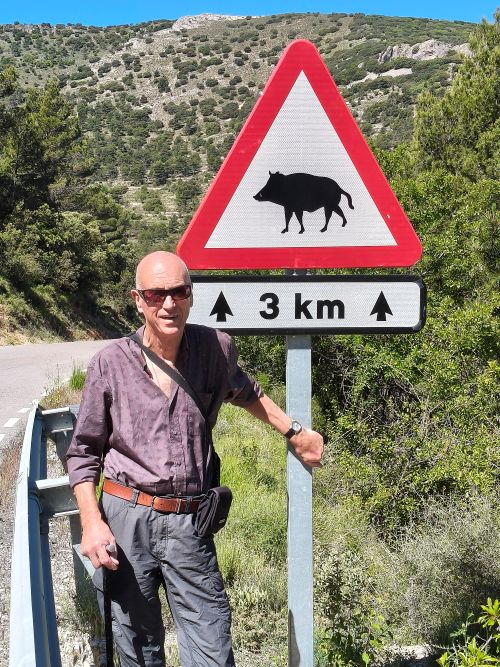
The road wound around the hills as we rose higher in this rural landscape, where we came upon a ‘wall’ going up the side of a hill to a tall fort-like building, Castell de Benifallim sitting at 841m (2,759ft) above sea level. Curious, and with plenty of time, we drove into the nearby town of Benifallim.



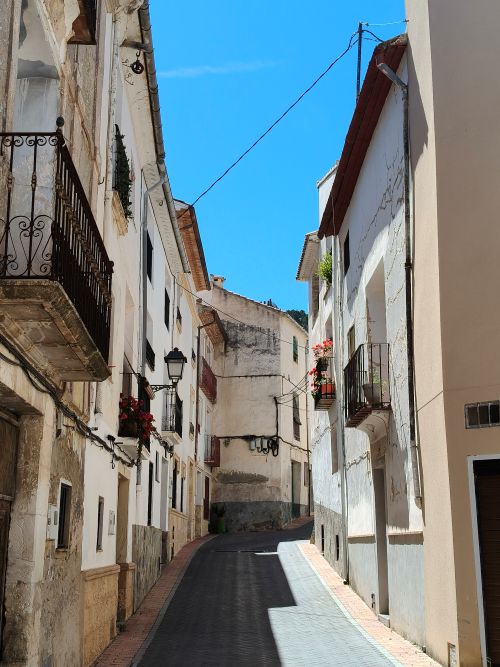
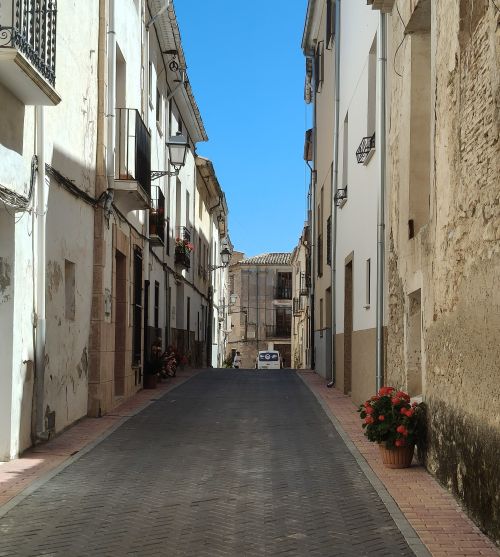
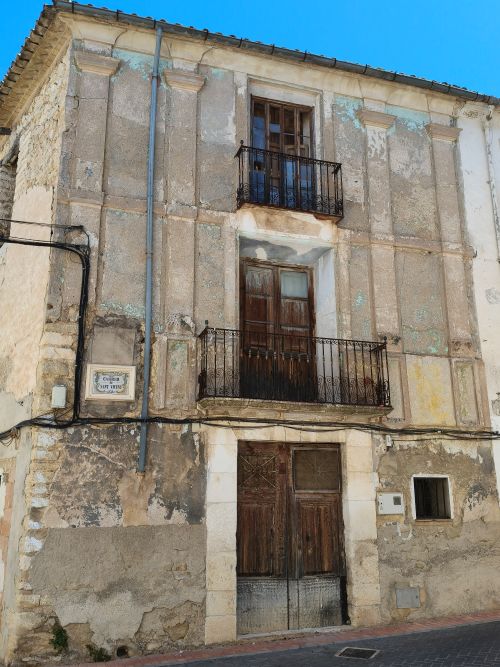
The town appeared to have residents but, in the familiar fashion of rural Spanish villages, also appeared to be deserted, with tidy, renovated, and empty dilapidated houses. Some had closed and padlocked doors and windows; some, occupied, had window boxes of flowers, but there was not much noise apart from a dog barking in the distance.


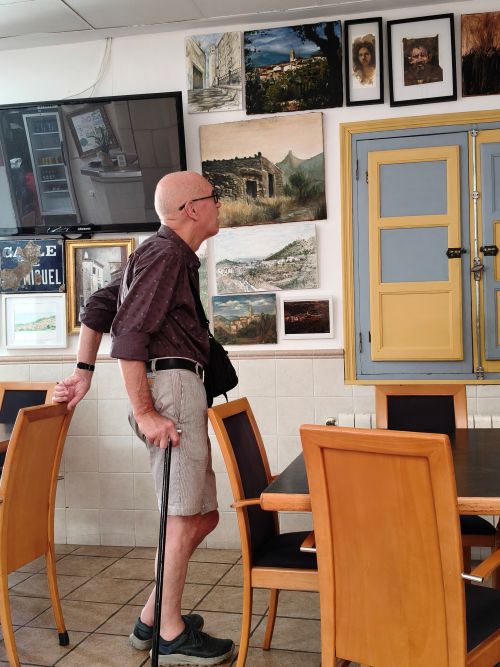
After wandering about, we found ourselves at a town square where the Ajuntament de Benifallim (town hall) is situated, and nearby, a church, the Sant Miguel Arcàngel de Benifallim, opposite the Tierra y Bar – Tapas Bar. After ordering coffee and tapas, we talked to the owner and some locals. I had a nice chat with a lady who lives in Alicante, but her ancestral home is here in Benifallim, where she comes to escape the madness of the city and ‘recharge her batteries’, she told me.
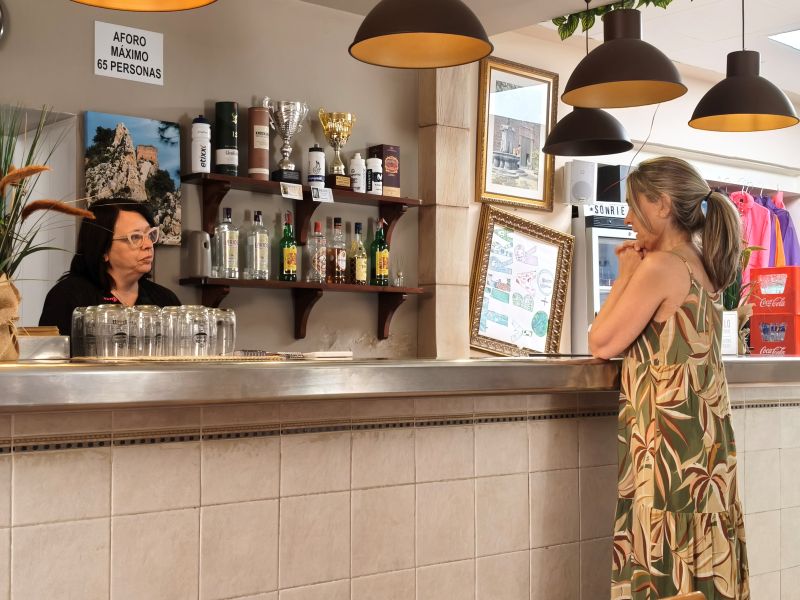
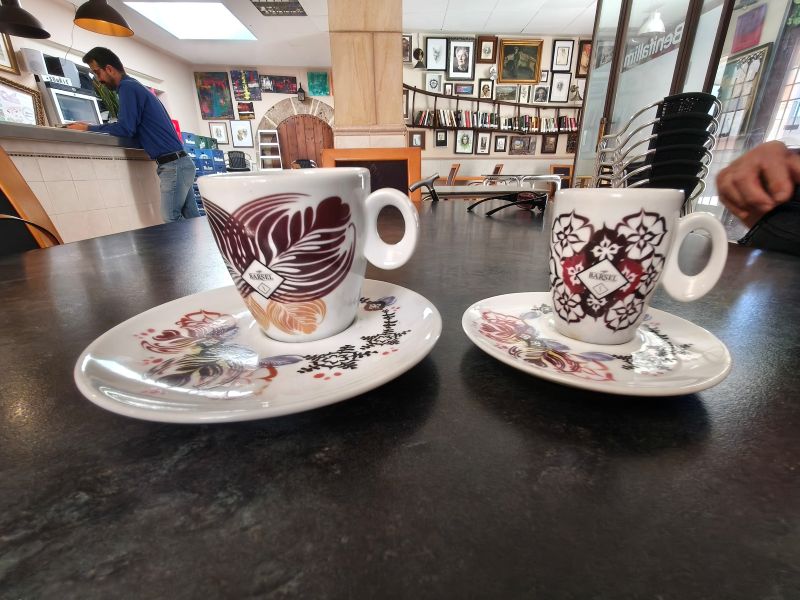

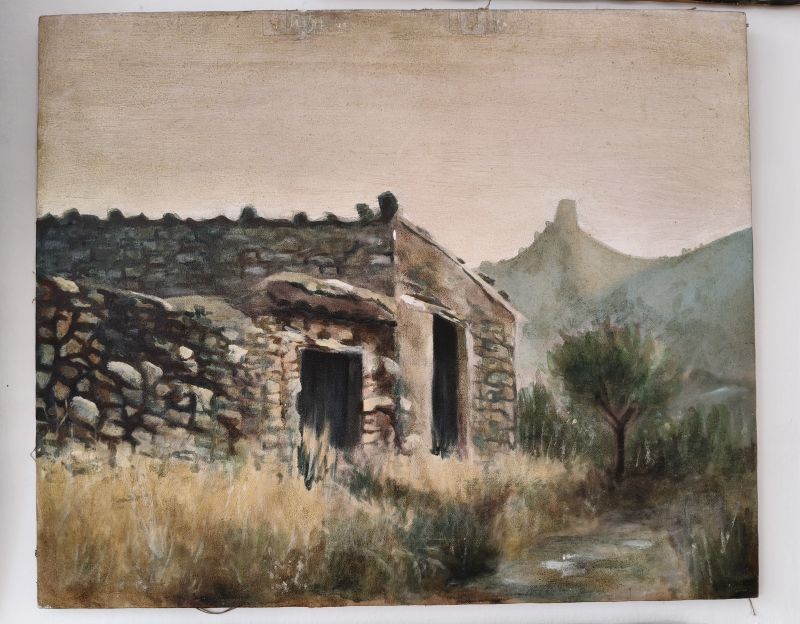
The bar walls are lined with beautiful paintings of the local area, including the Medieval Castell, which has views of nearby watchtowers and was built in the 13th century to protect the newly won territory and mountain routes around Benifallim. It fell into disrepair following the expulsion of the former Muslims of the area and the following depopulation in the 17th century.
There were also photographs taken by the owner’s husband of champion cyclists in the area and a quirky old wooden ladder doubling as a bookcase stretched along one wall. It turned out to be a wonderful encounter with locals in this small but quite amazing little village in the hills.
Remember to open up the photos to see them in full size!
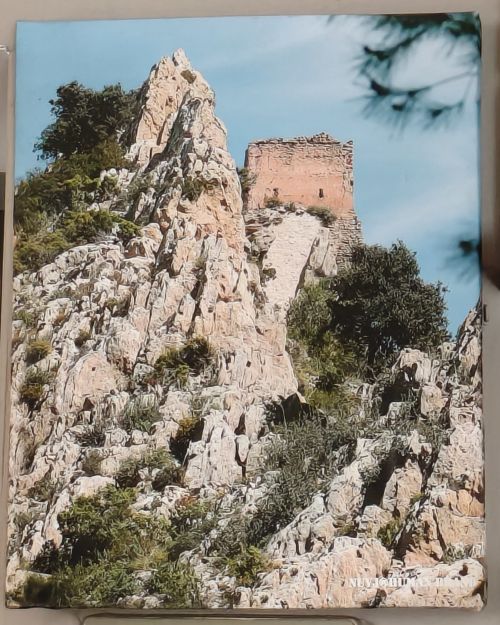
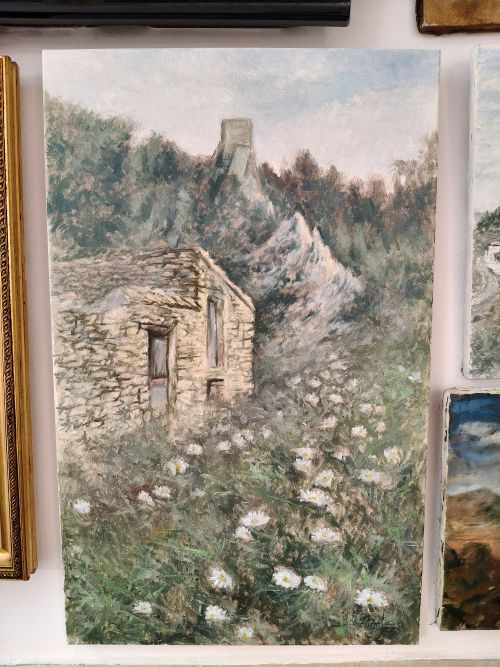


Read about the Castle of Benifallim here: https://nextontrip.com/place/castle-of-benifallim
Penàguila Landscapes & Local Produce near Confrides

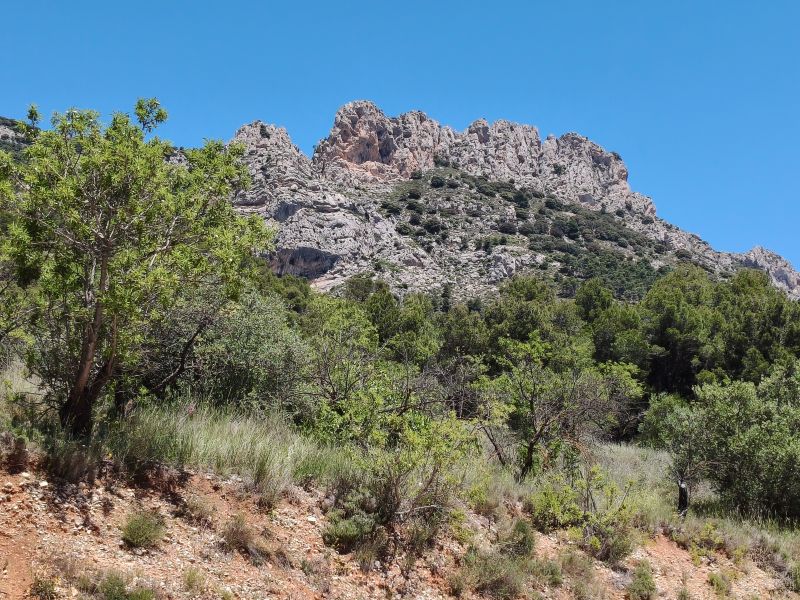
As we moved further up the mountain roads, lined with pretty poppies and rock formations that the notice boards said have cave drawings, we passed through the small town of Penáguila on the way to the top of the mountain.
Remember to open up the photos to see them in full size!


‘El Rincón de las Mermeladas’ near Confrides
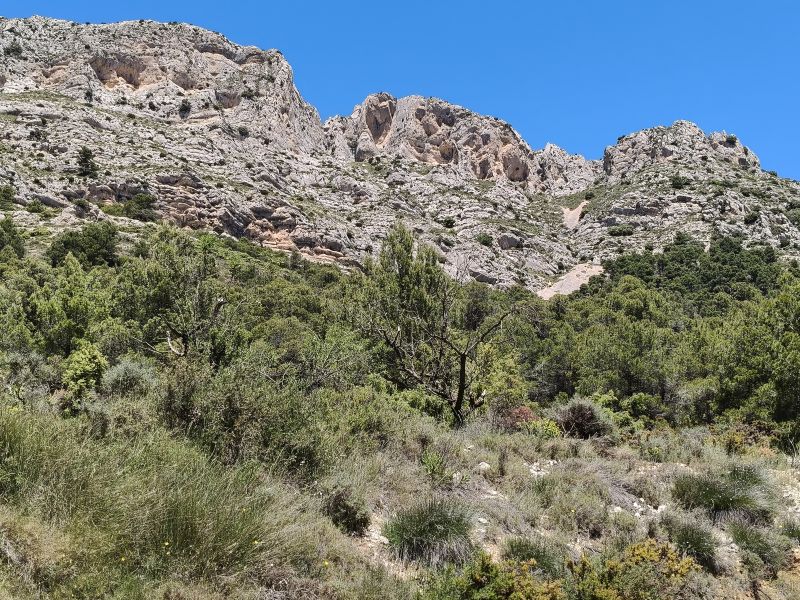
Not far from here, Manfred said he had seen on the map, a place on this roadside called El Rincón de las Mermeladas (near Confrides) which we soon came upon, set on a bend in the mountain road, under stark grey rock faces, full of caves of orange with streaks of grey and black.

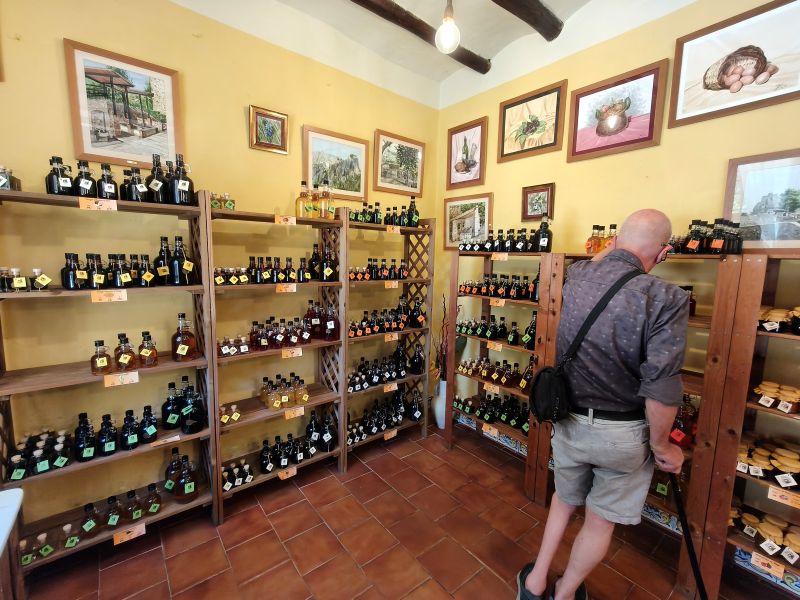
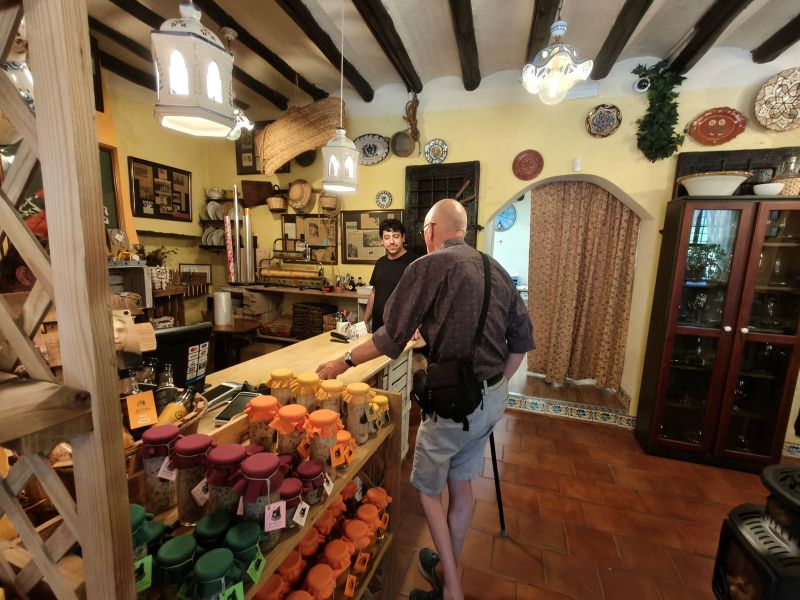
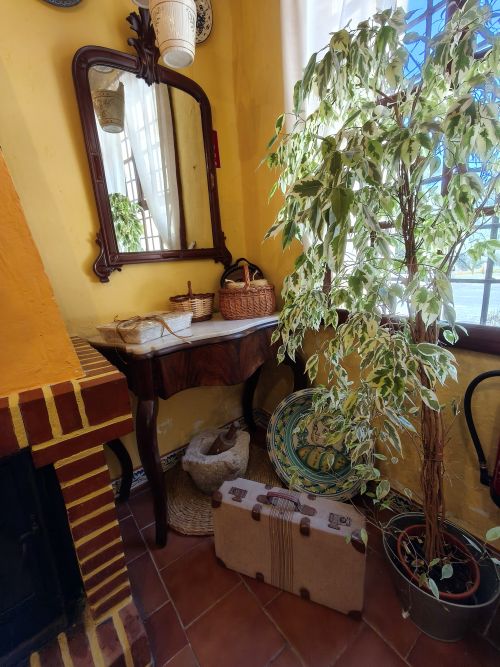
We stopped, and I was thinking it was a tapas bar, but it turned out to be a shop that was like a treasure box. Vinegars, olive oils, soaps, jams, and other edibles made right there on the premises or in the local region. We enjoyed discussing the products with the owner and his son before purchasing a variety of items.




Check out El Rincon las Mermeladas here: https://www.elperolet.com/

And finally Guadalest!

Our destination was the tourist town of Guadlalest (595m/1,952ft above sea level) where there is a reservoir far below in the valley. It is a popular holiday town, and from various vantage points around the fort and castle you can see right down to the coast and the Mediterranean. Castell de Guadalest, also known as San José Castle and Hanging Castle, is an 11th-century Muslim fortress sitting high above the village. Damaged by earthquakes in 1644 and the 18th century, it was also blown up during the War of the Spanish Succession. When you visit, you see what remains of the ‘keep’, the defensive walls and the local mountainside cemetery. The other iconic place to visit is the Alcozaiba Castle (Castillo de la Alcozaiba), a small, 11th-century Moorish Fort accessed through the solid rock of a hand-carved tunnel.
Remember to open up the photos to see them in full size!
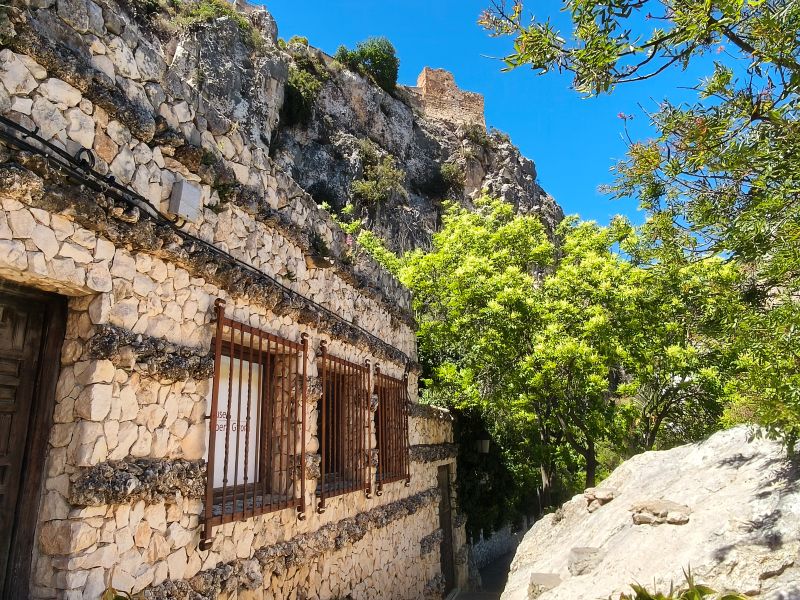


We took a look around the shops and restaurants and picked a place for lunch called ‘Al Ras’, of Moorish origin nestled among a landscape of trees and rock walls.

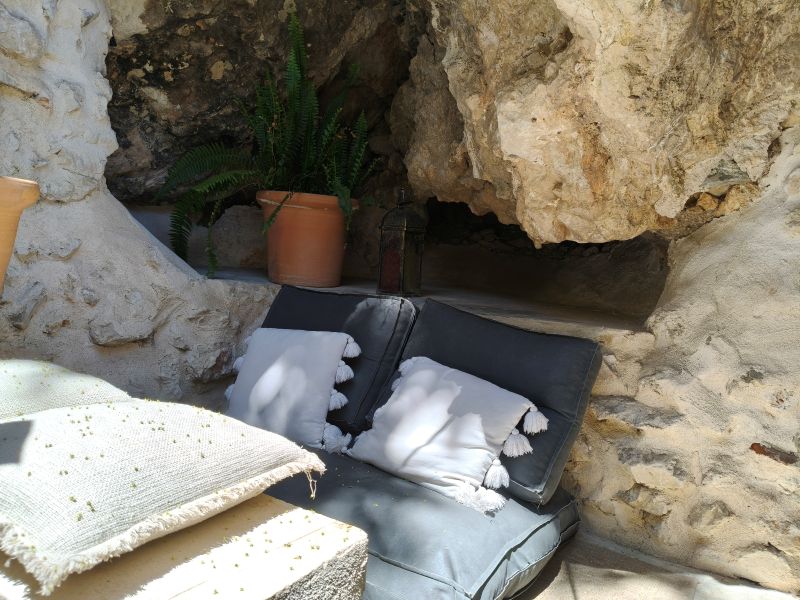
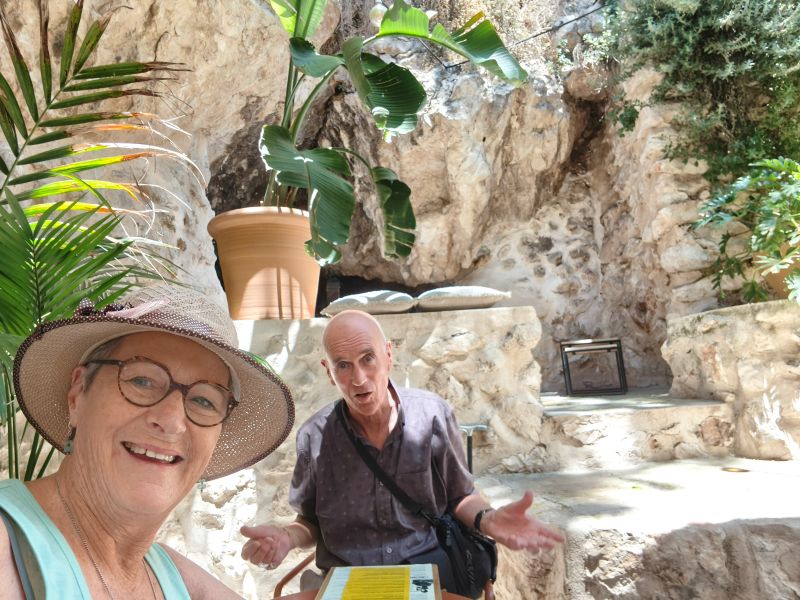
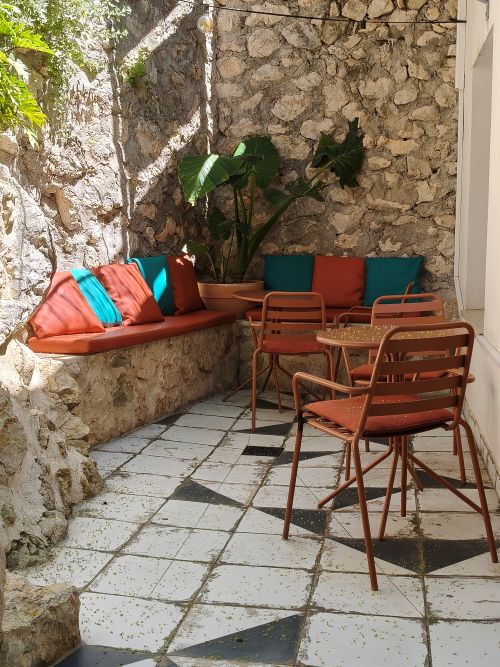
After our meal and walking below the castle near the gardens and cemetery, we drove down to the reservoir, where walking trails start from the car park by the bridge, and enjoyed the quiet of the lakeside.


Read more about Guadalest at these links:
https://mappingspain.com/visiting-the-beautiful-town-of-guadalest-alicante-province/
https://alras.eatbu.com/?lang=en
https://viewfromlavila.com/guadalest-lake
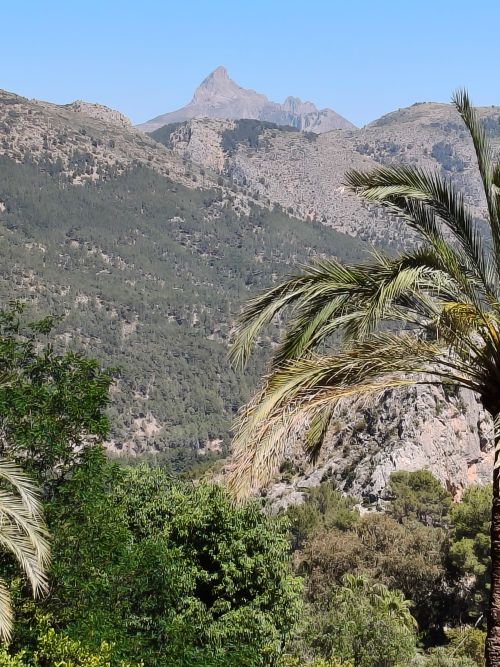
View from Guadalest to the Costa Blanca 👇 and the the rugged limestone slopes of Puig Campana and the El Portell Notch

Costa Blanca Coast: La Vila Joiosa
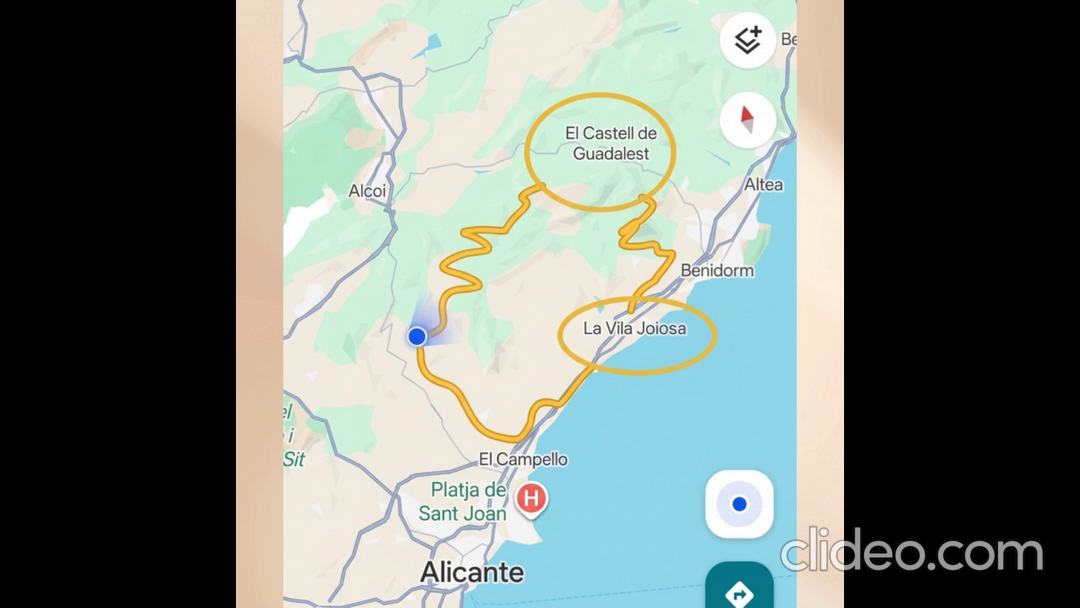
The round trip from El Pao to Guadalest, the coast and back to El Pao
Leaving the heights of Guadalest, we snaked our way down to the coast near Benidorm, with a plan to drive along the coast towards La Vila Joiosa, a seaside city that has the famous coloured houses along the waterfront. We wanted to visit, but once we got into the city’s tangle of streets driving towards the area, we saw that the roads were closed off. A sign said, ‘local house owners only’, and we were unable to get a park to walk the last few hundred metres to see them. History has it that the fishermen painted their homes in red, blue, green, or yellow so they could recognise them from the sea. The town is also famous for its chocolate and houses the historic ‘Valor Chocolate Museum’, which we also could not visit due to no parking. Finding our way back out of this town had us thanking our GPS, and we drove the highway along the coast, marvelling at the views until we arrived back inland at El Pao. The pool was a welcome sight, and we relaxed on our last night here in the region of Alicante.
See photos of Villa Joyosa here:
https://mappingspain.com/villajoyosa-the-most-colourful-city-in-spain/
https://campingeltorres.com/en/the-charm-of-the-colorful-villajoyosa-houses-that-tell-stories/

The following morning, after breakfast and a swim, we packed our bags with no rush to leave – one of the good things in Spain is that mostly you don’t need to be out of accommodation until midday. We only had to drive about 90 minutes to our next destination near Cartagena, so there was no rush. We thanked Sergio, whom we had enjoyed spending time with here, and said our goodbyes.
Port de la Carrasqueta & Venta Teresa

Heading off we took a diversion to drive above where we were staying along a road that goes inland via the Port de la Carrasqueta (2,023m/6,637ft). Along the way is a very old roadside bar called Venta Teresa, popular with hikers, bikers, cyclists, and travellers going through this mountain pass.
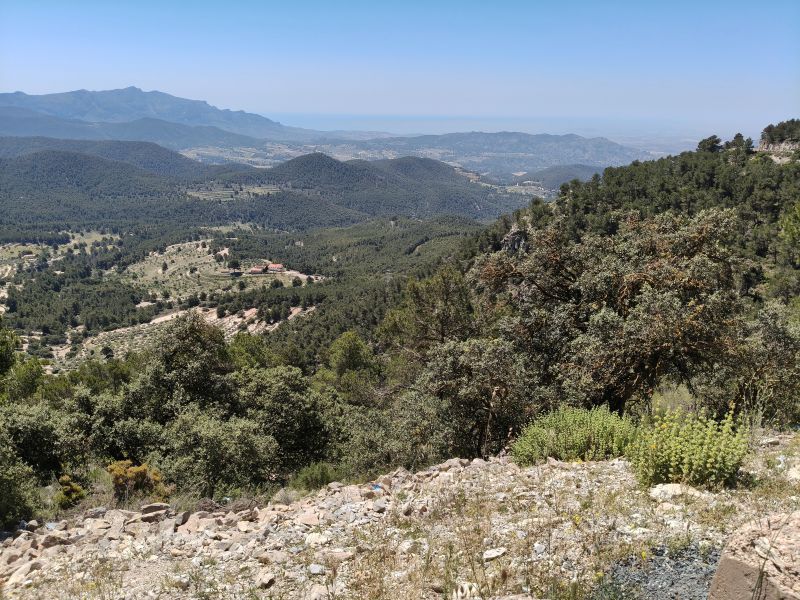
We drove up to the top of the pass, stopping for views and photos, revelling in the ‘wow factor’ from this viewpoint right down to Xixona on the side of the mountain and beyond to Alicante on the coast.
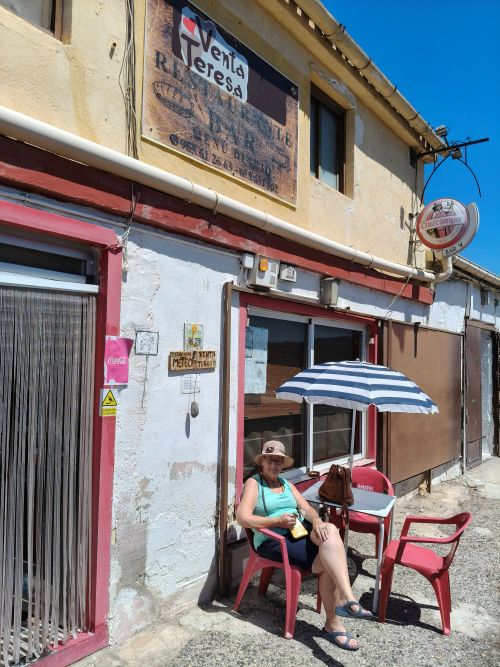
On the way down, we stopped at Venta Teresa and enjoyed our visit with a strong coffee and tapas, chatting to the owners who talked about the history of the bar, before moving on down the mountain and onto the highway that took us to Cartagena.
Remember to open up the photos to see them in full size!
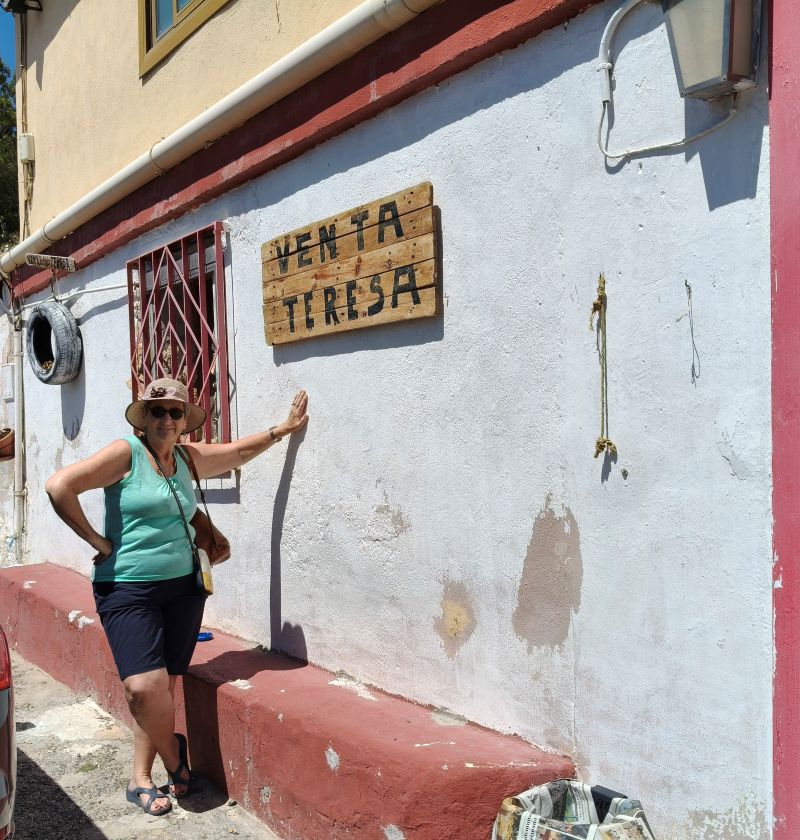

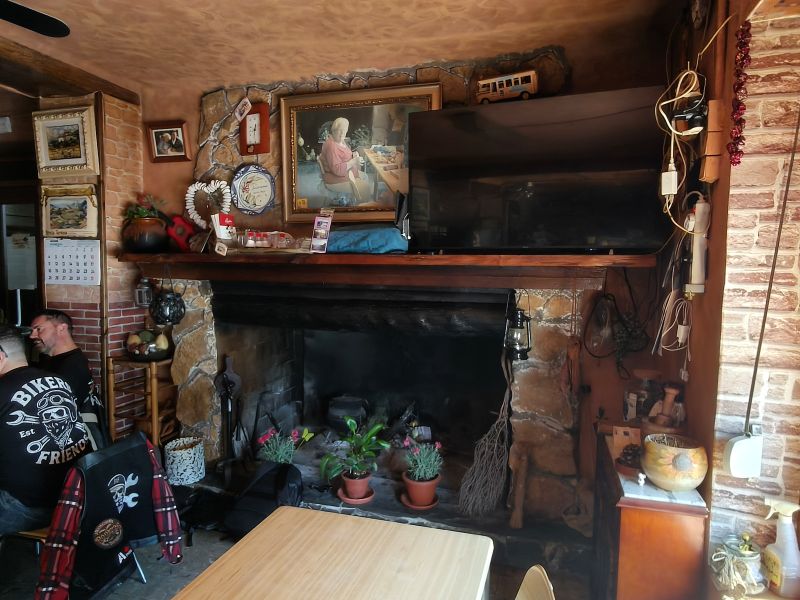
A little about Venta Teresa here: https://ventateresa.blogspot.com