
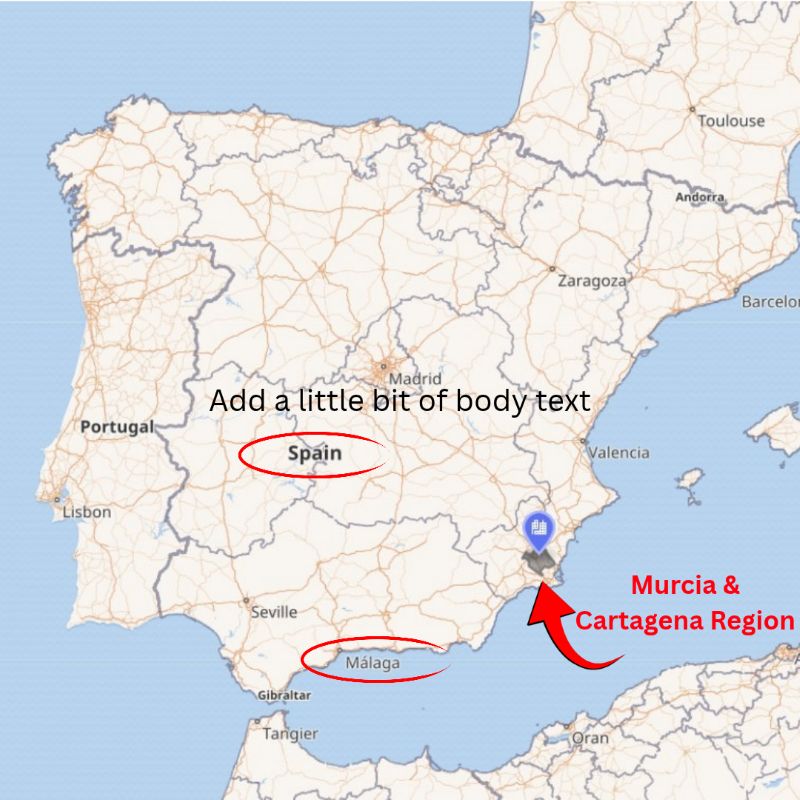
Where in the world are we?
Once again I wish to acknowledge and thank my wonderful friend Shoba Nayar, who edits my writing, and whose careful eye and amazing suggestions helps bring alive stories from our travels!
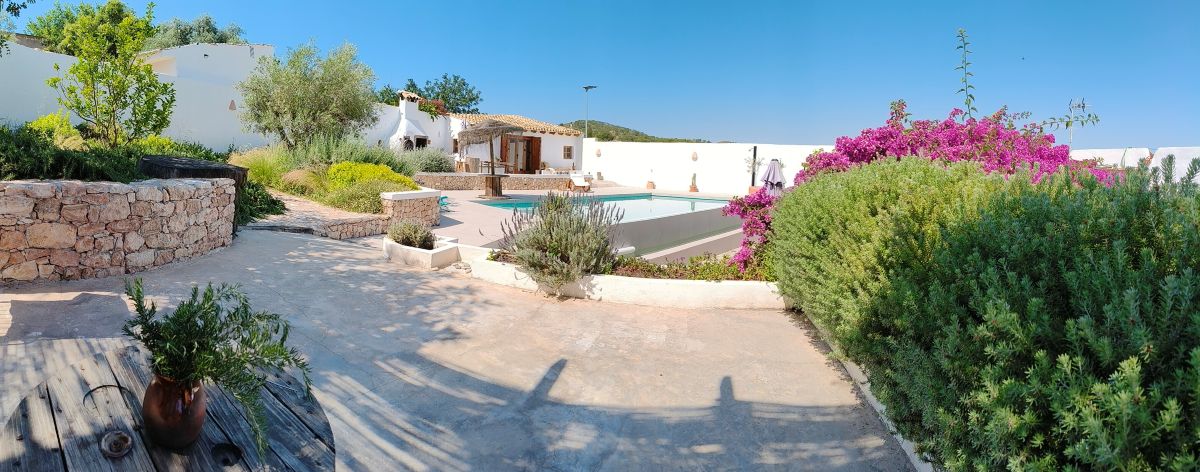
A fabulous place to stay and a base to explore!
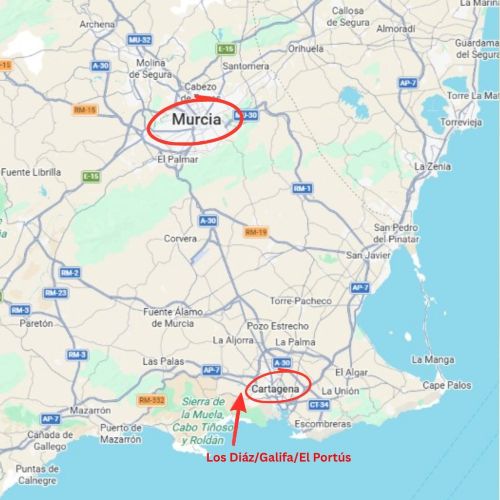
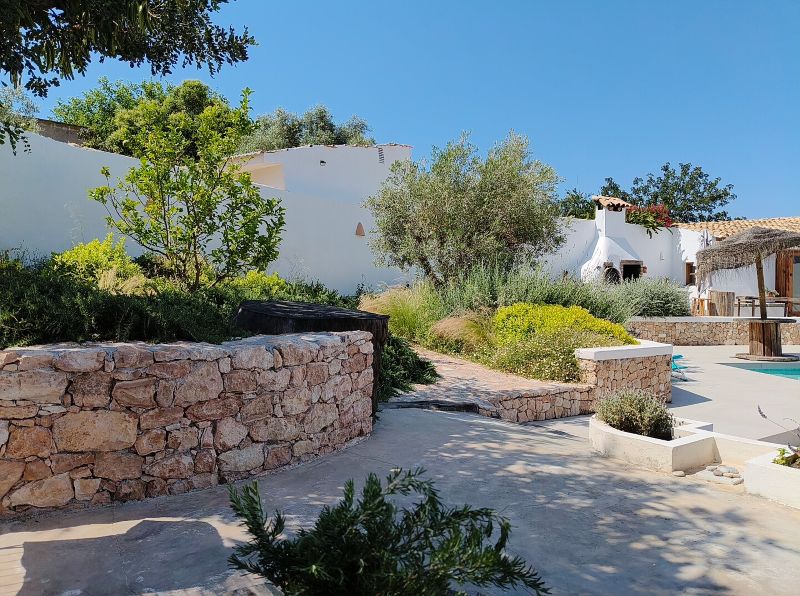
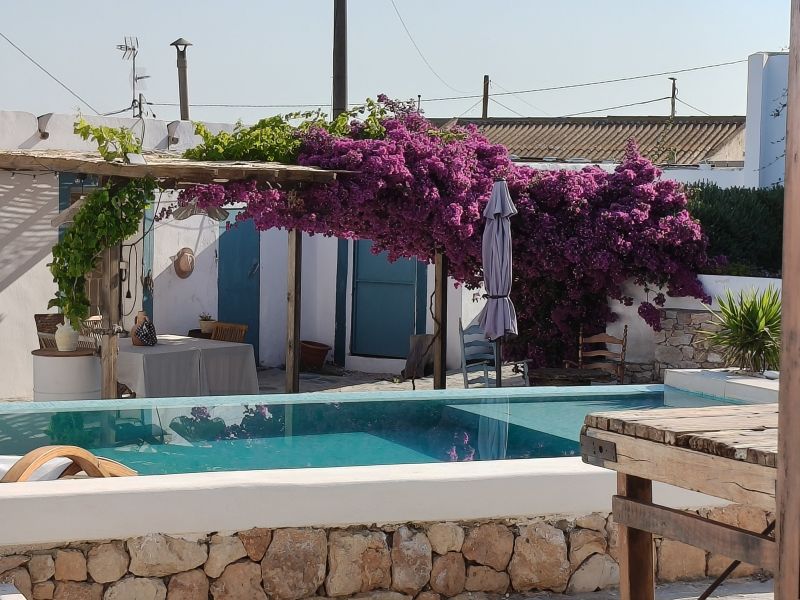
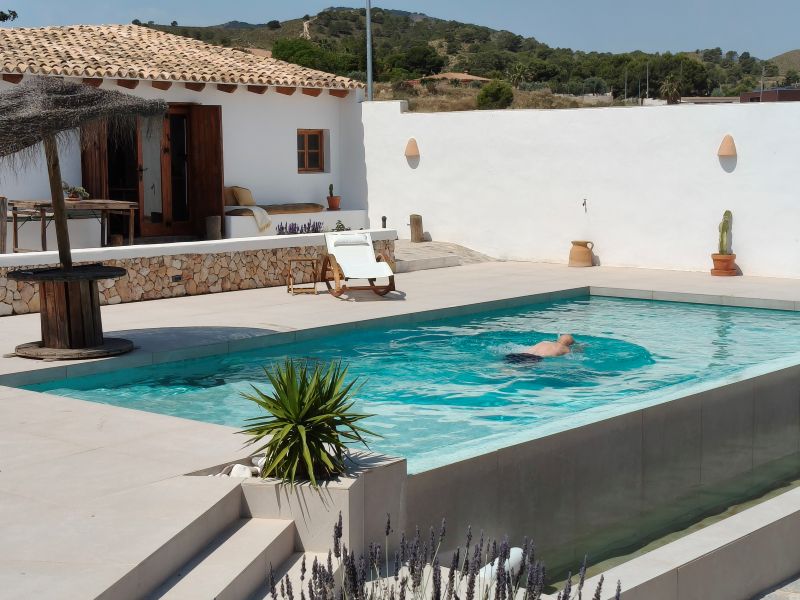
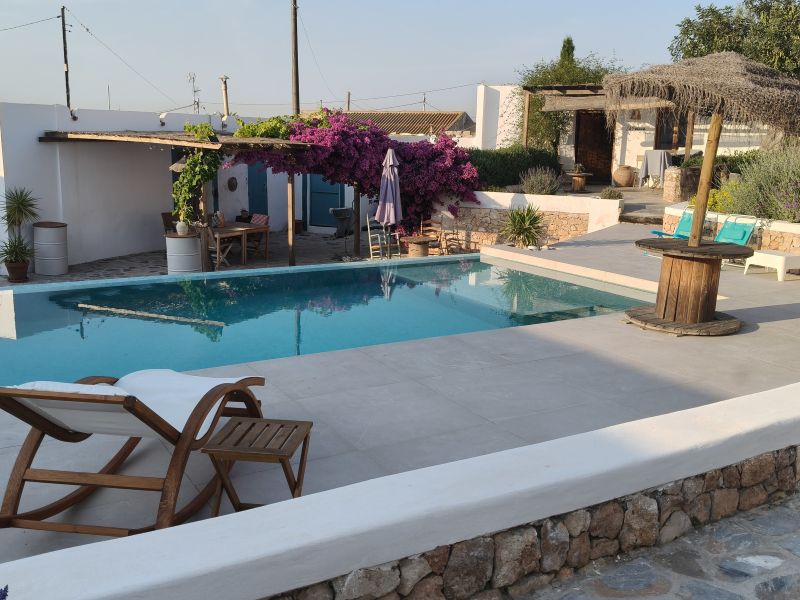
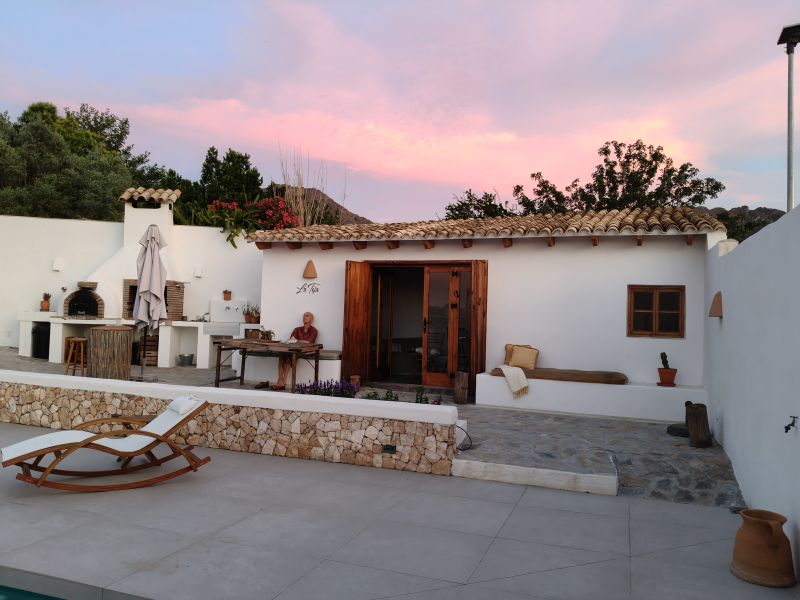
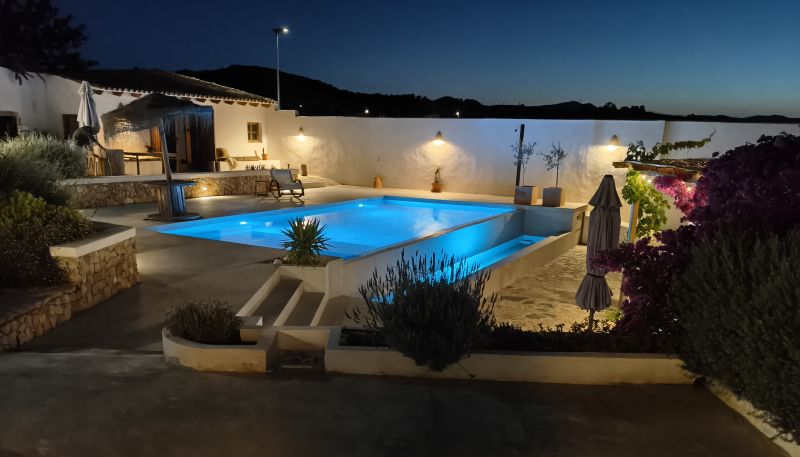
Arriving at the tiny village of Los Díaz near the town of Canteras on the outskirts of Cartagena, the port city and naval base of the Murcia region in Southeast Spain, we found ourselves on a narrow one way dirt track as we headed towards our stunning accommodation – La Casa del Aljibe. Hidden in the backyard of a small 300-year-old house, it was an oasis in this desert-like landscape.
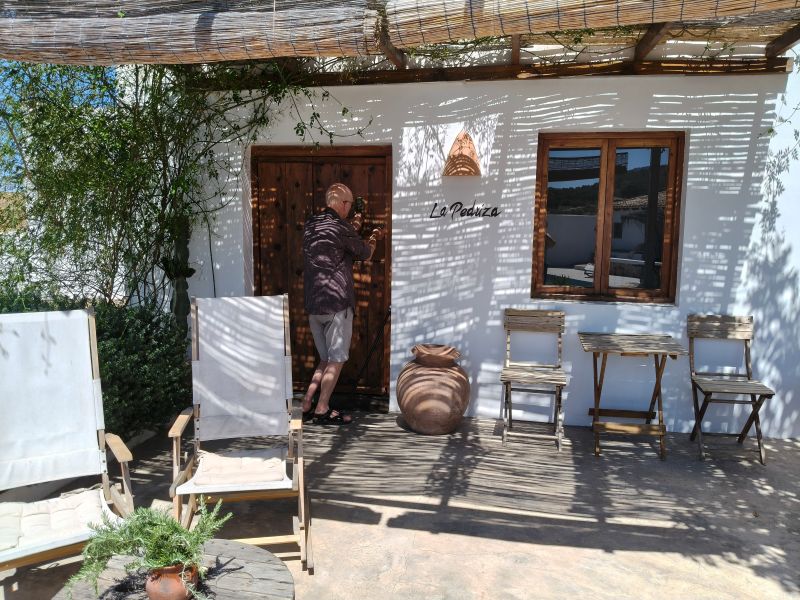
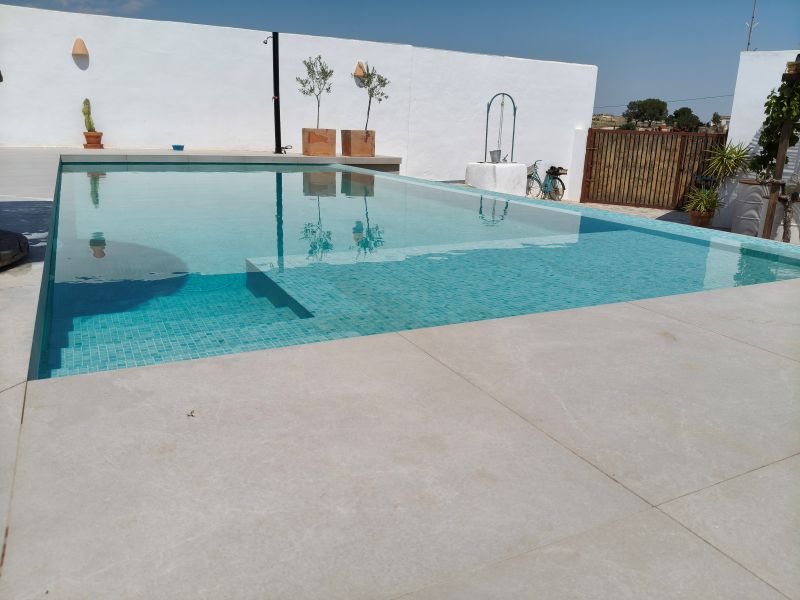
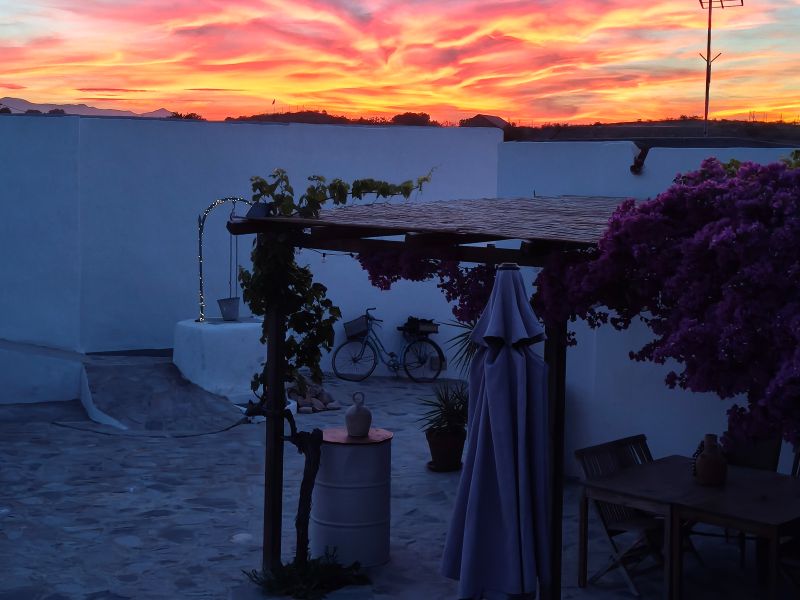
The infinity swimming pool, gardens, and back of the house with highly coloured bushes was our home for the next 4 days. After checking in, we headed back to Canteras for dinner and a stop at the supermarket, before we settled back into our garden haven, where we swam, rested, and enjoyed relaxing in this lovely place in the sun on the edge of a quiet village.
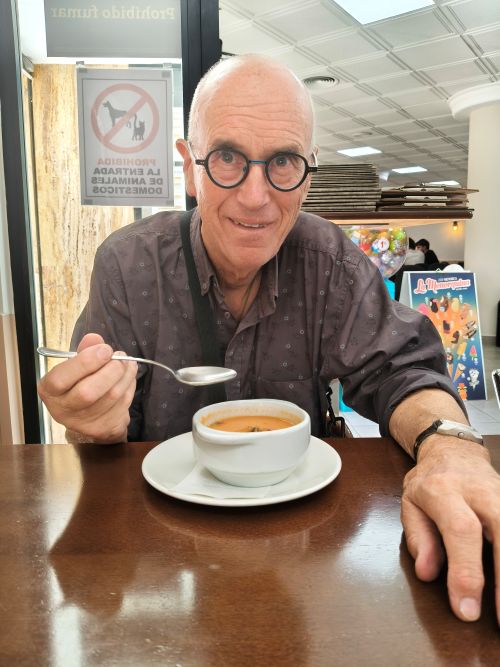
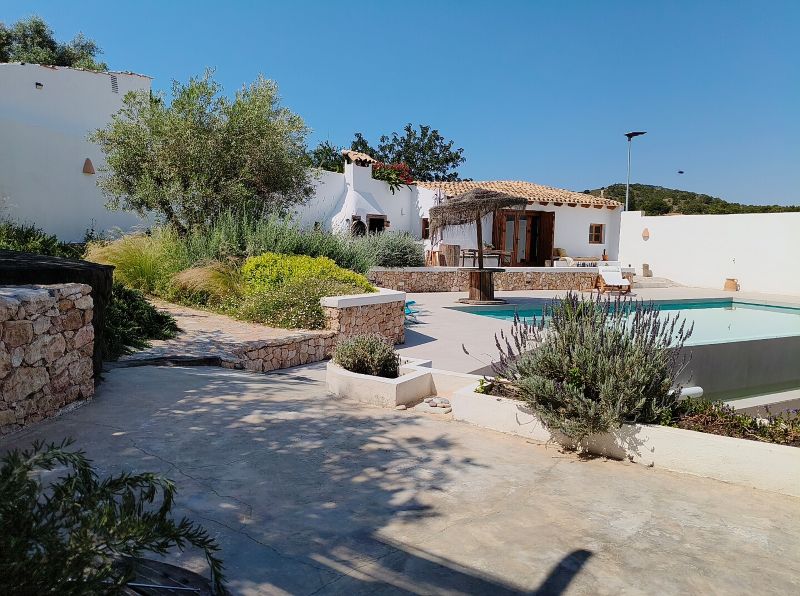
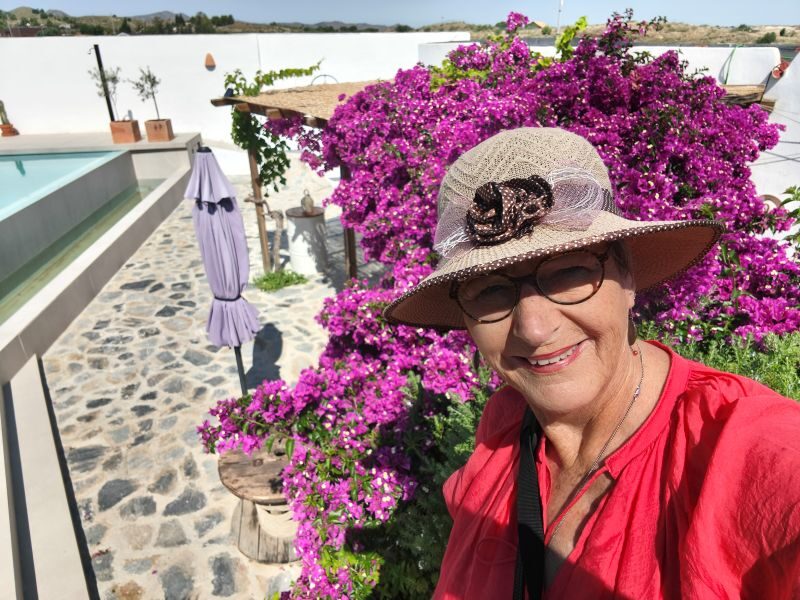
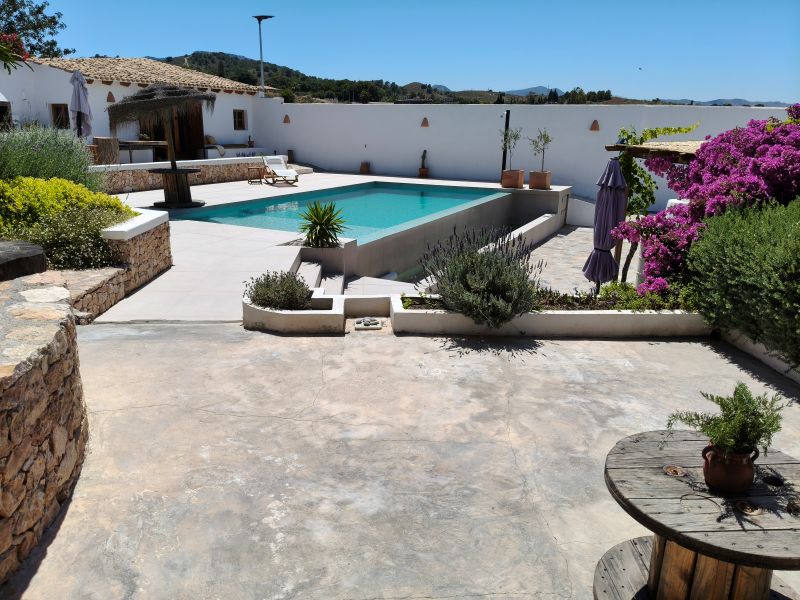
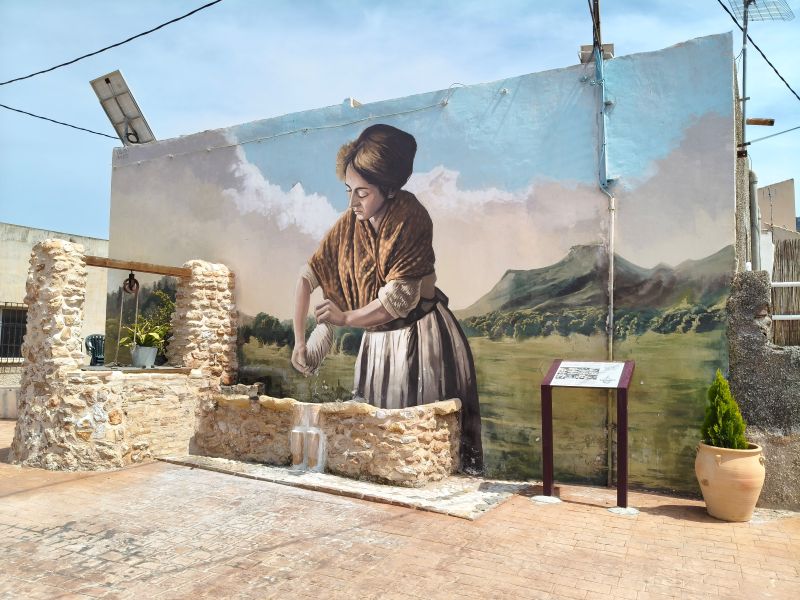
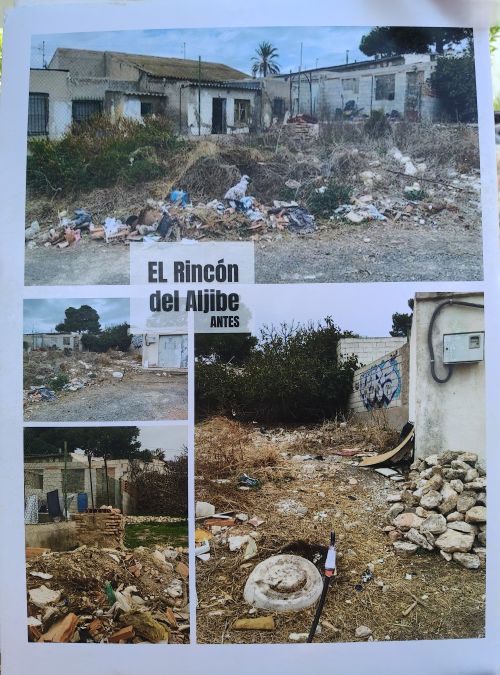
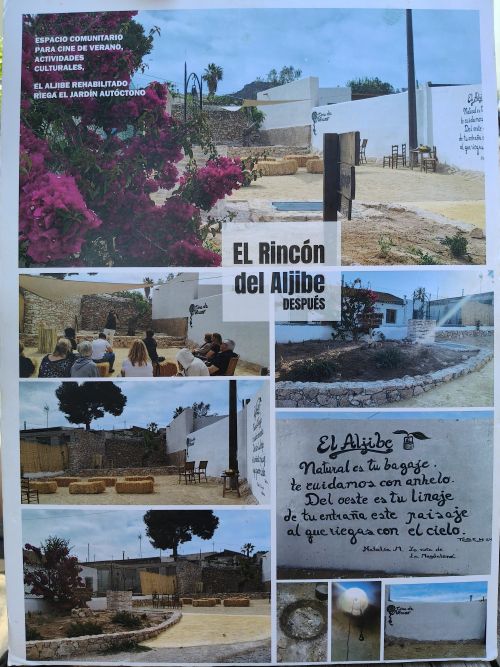
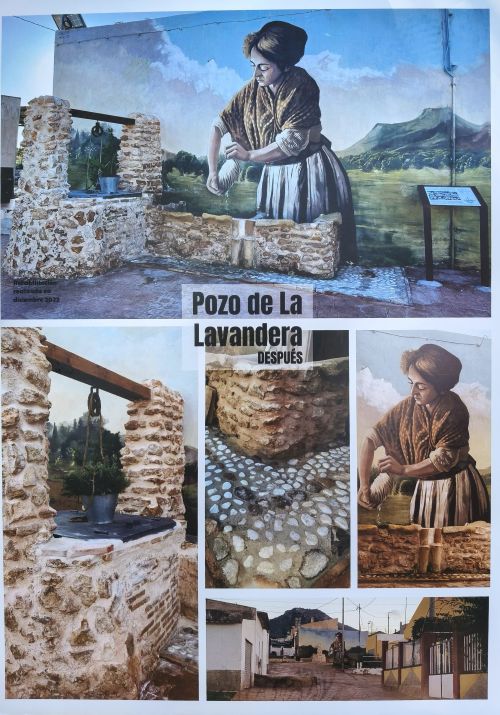
Our hosts spoke Spanish with Manfred and told him that they came across this village of Loz Díaz when they were looking for somewhere to store their campervan. They fell in love with the house and developed the accommodation in the back garden, transforming parts of the village from piles of rubbish into usable alcoves. Much of their work has been in restoring the aljibes, the underground water storage tanks used to collect and preserve rainwater over the past many hundreds of years in historical Spain.
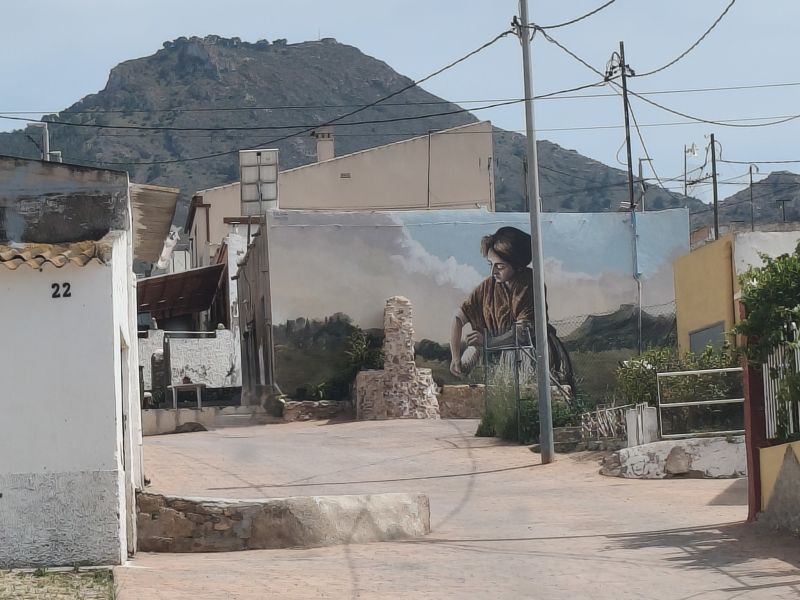
Poster boards in Los Diáz depicting the transformation of the town
A little history of the ‘Aljibe’s’
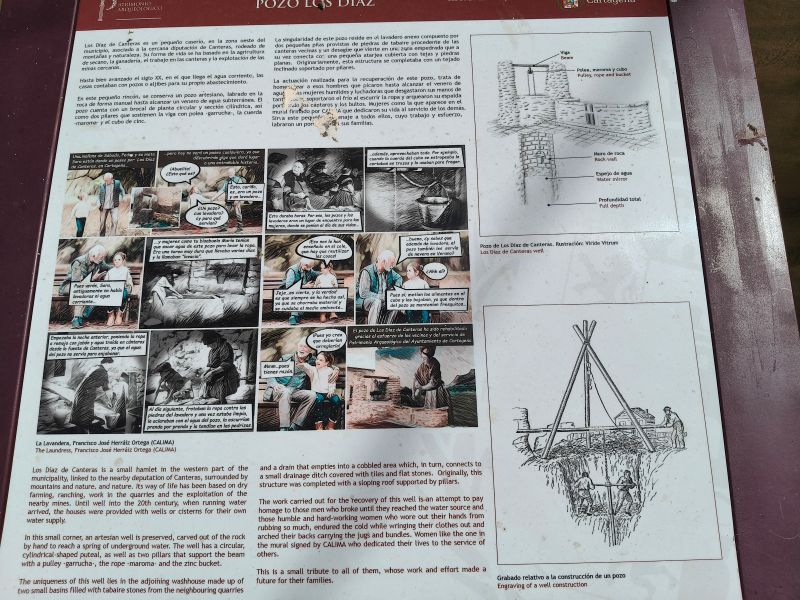
The word ‘aljibe’ comes from an Arabic term al-jubb (or al-yibab), which means ‘well’ or ‘cistern’. Historically they were built underground, vaulted with stone, brick, or mortar. Water was collected from rooftops, courtyards, and channels which had been sloped so that the rainwater was directed straight into one of the aljibes, where it was kept cool and protected from evaporation and contamination. Traditionally they were found in areas where rainfall was scarce, including dry areas of Spain and North Africa. Developed by Islamic engineers in the Middle Ages, the idea and construction came to Spain with the Moors. Well-known examples can still be found in cities like Granada and Càceres, and now in Los Díaz they are being recreated by the locals who have been inspired by our hosts’ work.
Some history of Cartagena
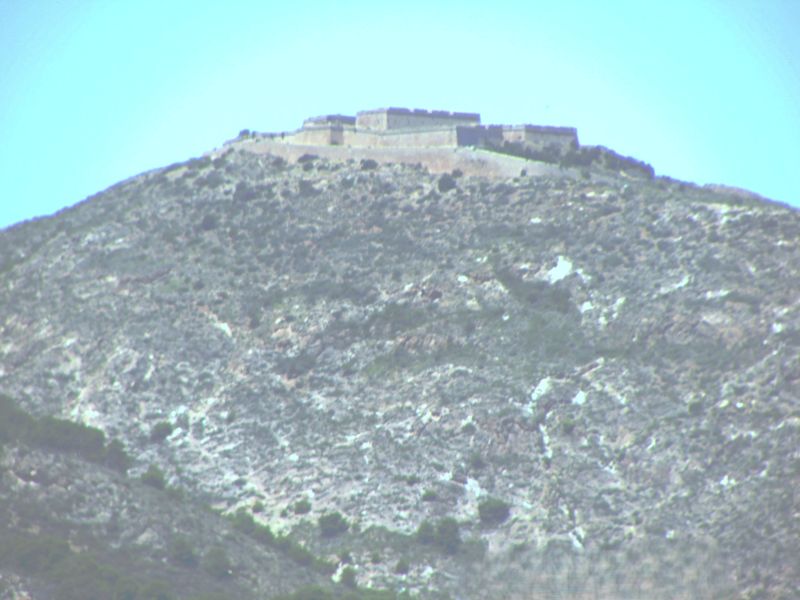
We spent time planning our visit to the city of Cartagena. Founded by the Carthaginian people (the Phoenicians) around 220BC, the city was booming in the 1st century Roman period and the architecture of the city is indicative of the creativity of this interesting region. We parked at a shopping mall on the outskirts of the city, under the naked brown hill where the fortification ‘Watchtower Castle’, otherwise known as ‘Castillo de la Atalaya’, can be seen from many angles. Designed by a military engineer in an eclectic neoclassical style in 1766, its construction was completed in 1777. It is surrounded by a dry moat and contains one of the aforementioned ‘cisterns’ on the spacious patio. Situated on the 242m (794ft) Monte Atalaya, it overlooks the city’s surrounding plains and port, and was constructed for the purpose of observing enemy landings. There is a 1.8km (1.1mi) steep hiking track up to the fort starting from the Concepción neighbourhood, the only access to this iconic structure on the desert skyline. Protected since 1987, it is an ‘Asset of Cultural Interest’.
Read and view pictures here: https://turismo.cartagena.es/detalle_arquitectura_defensiva.asp?id=2
Cartagena
Roman ruins, Museum and Tapas Bar explorations
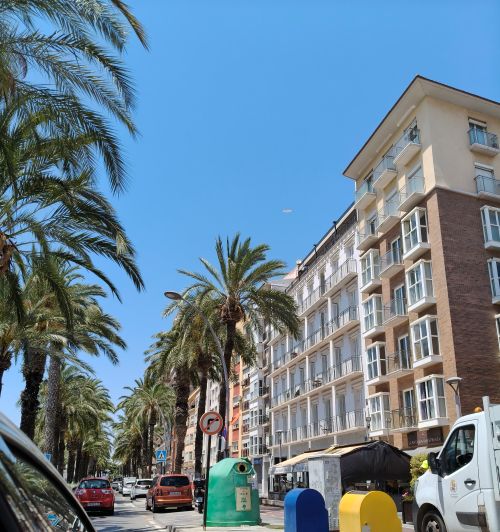
Taking a taxi, we travelled the wide palm tree-lined streets with architecturally beautiful low line buildings into the port area of the city. Set between narrow points on the headland, this waterway into the port was protected by the Baterías y Cuartel de Fajardo on the south side and Batería de Trincabotijas Alta on the north, Castello de Galeras on the South side, and Castillo de San Juliàn on the northern aspect. In the harbour, yachts, naval vessels, and cruise ships coexist and you will also find the Museo Nacional de Arqueologia (National Museum of Underwater Archaeology) alongside the boat terminals.
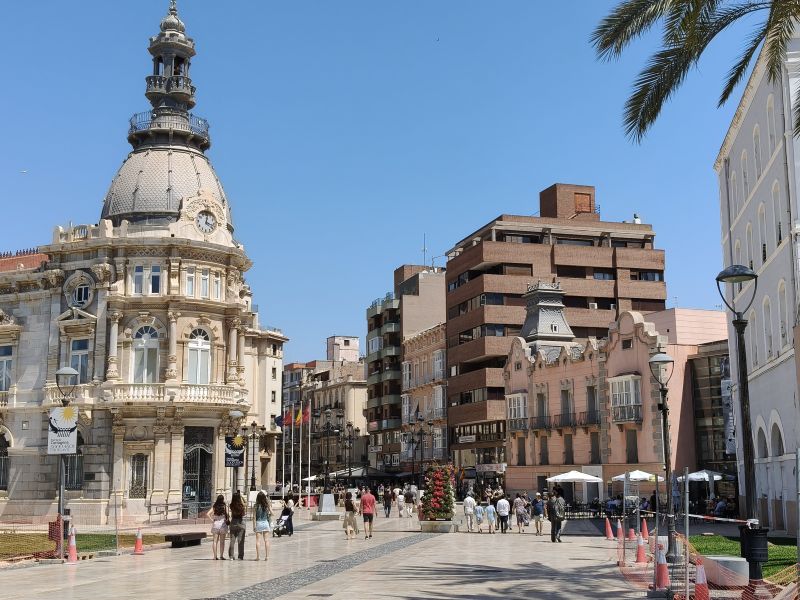
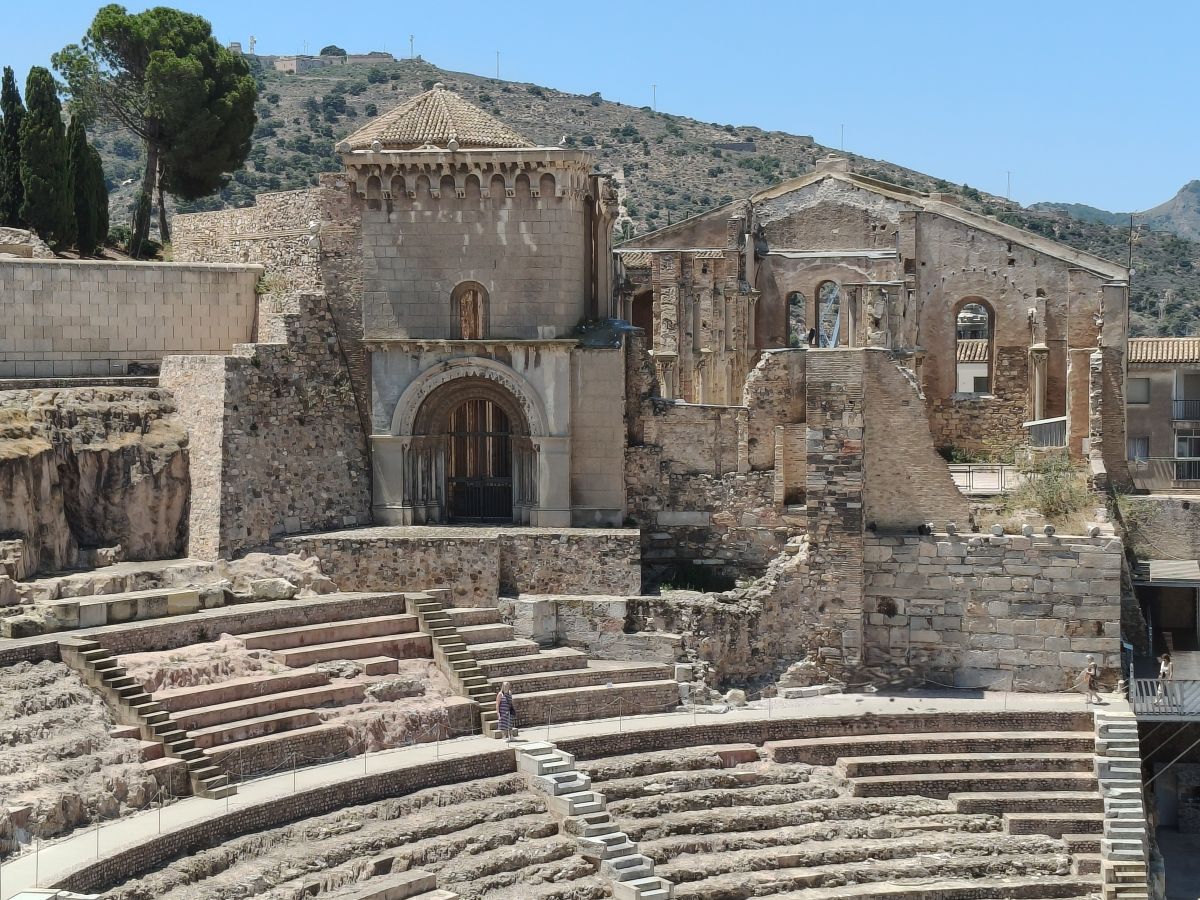
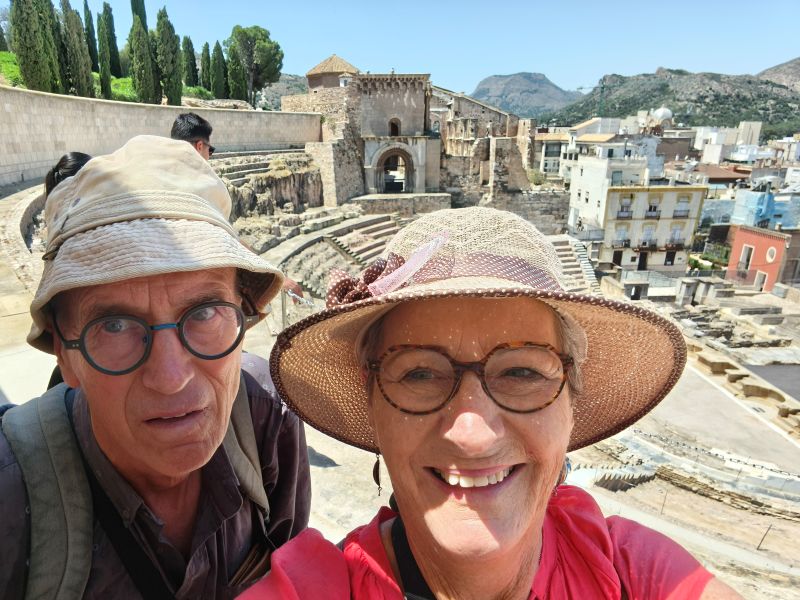
We made our way to the entrance to the Teatro Romano de Cartagena (the Museum of the Roman Theatre of Cartagena), which opened in 2008. Here you can view ancient artifacts and a ‘to-scale’ architectural model of the Roman Theatre and the grand porticoed square, built from the 5th to the 1st century BC in the reign of Emperor Augustus. The complex was dedicated to Emperor Augustus’ grandsons, Lucius and Caius Caesar. It was accidentally discovered during excavations of the house-palace of the Countess of Peralta in 1988.
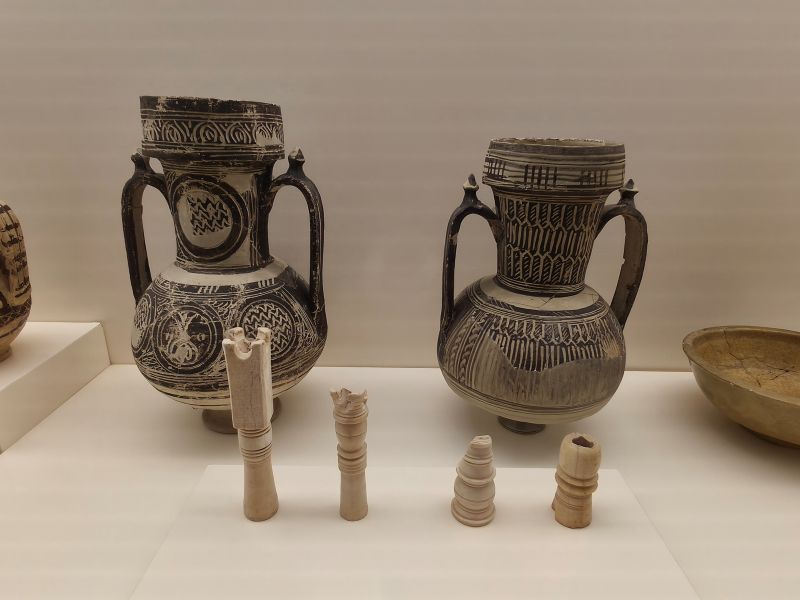
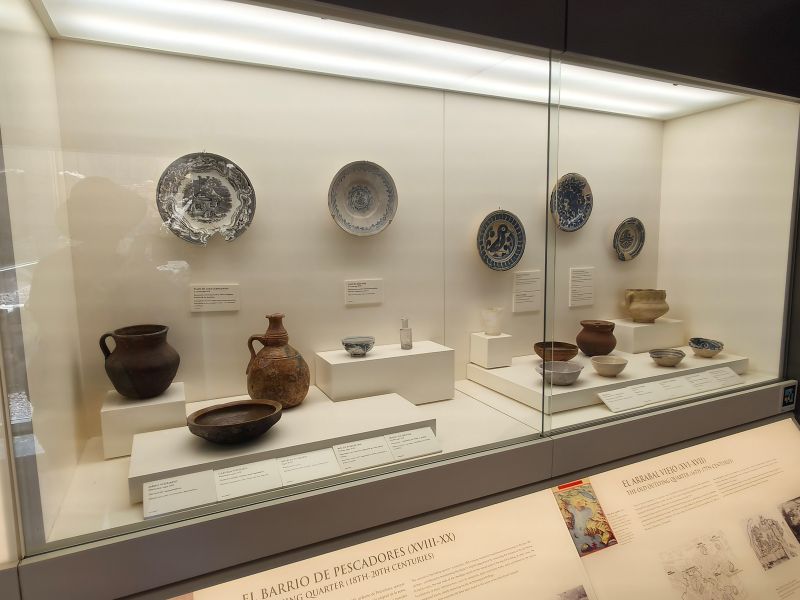
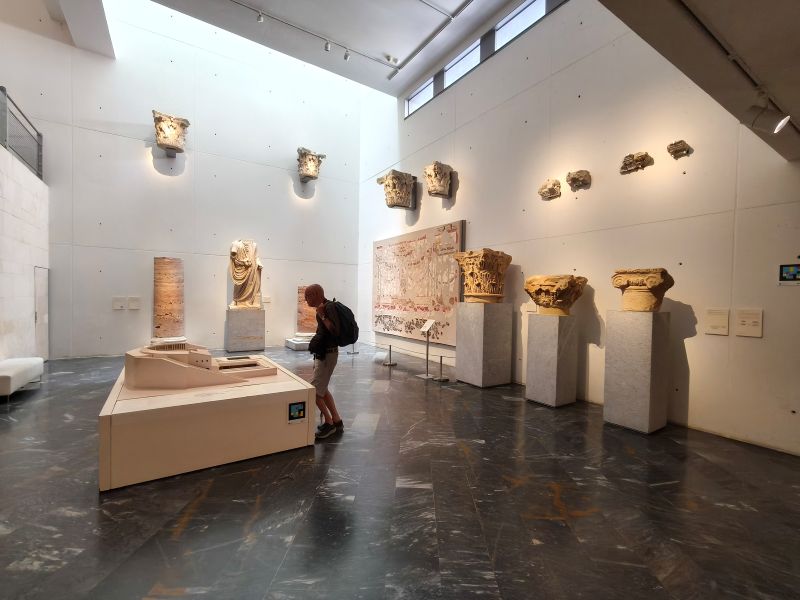
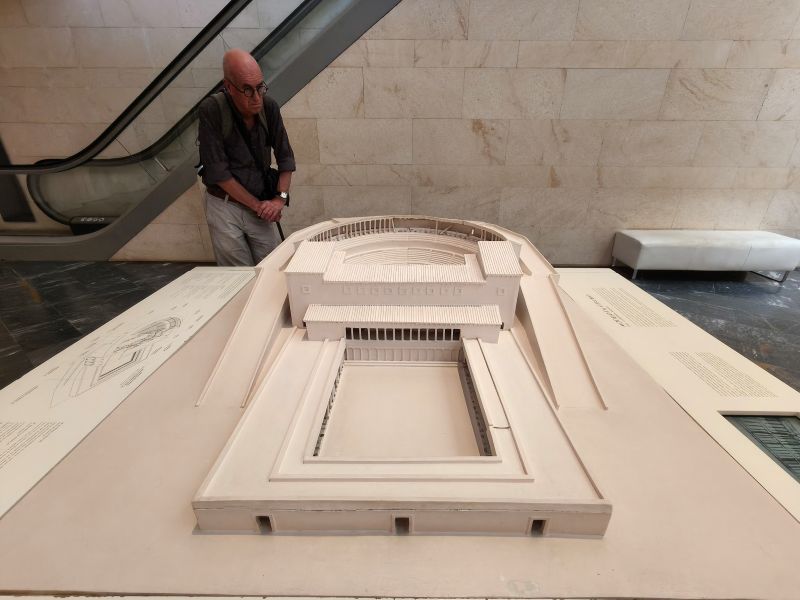
Passing through the museum, stairs and lifts lead to the amphitheatre, the old Cathedral of Cartagena (Catedral de Santa Maria la Mayor), the Mirador del Puerto de Cartagena, and the Puerta de La Villa, where you can view everything from different places and spaces around the complex. The three tiers of seating were built to hold up to 7,000 spectators making up the different social classes. Previously decorated with fine imported marble, it was interesting to learn how the area developed over time. After 200 years, a fire damaged the framework of the stage and, later, parts were dismantled. Eventually a market was built, with a Byzantine commercial district and the Santa María la Vieja Cathedral constructed on the ruins.
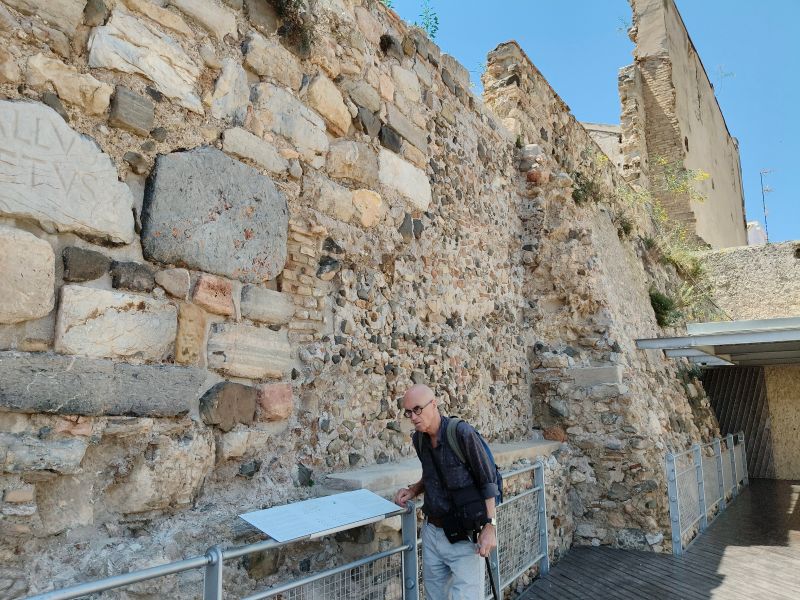
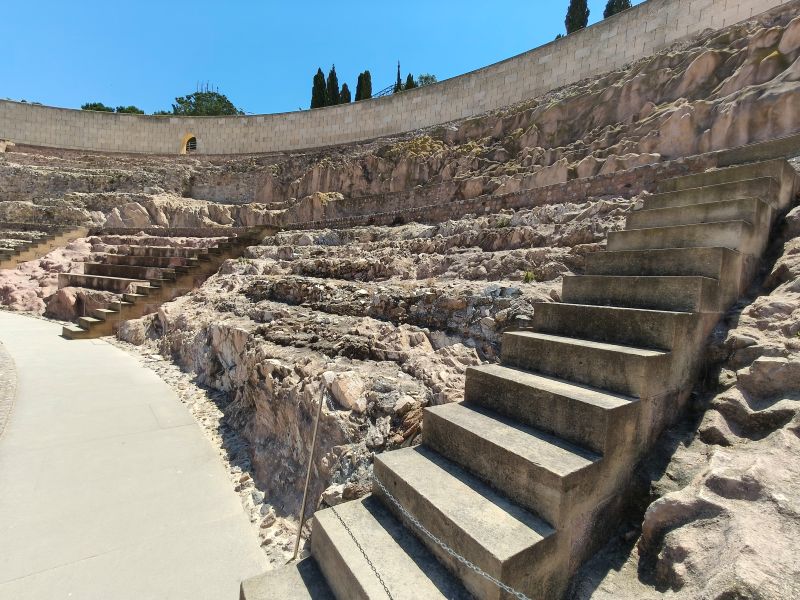
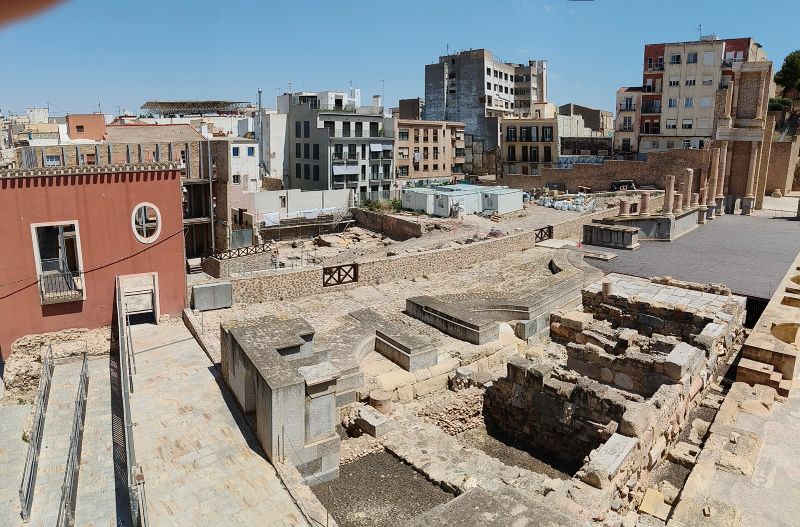
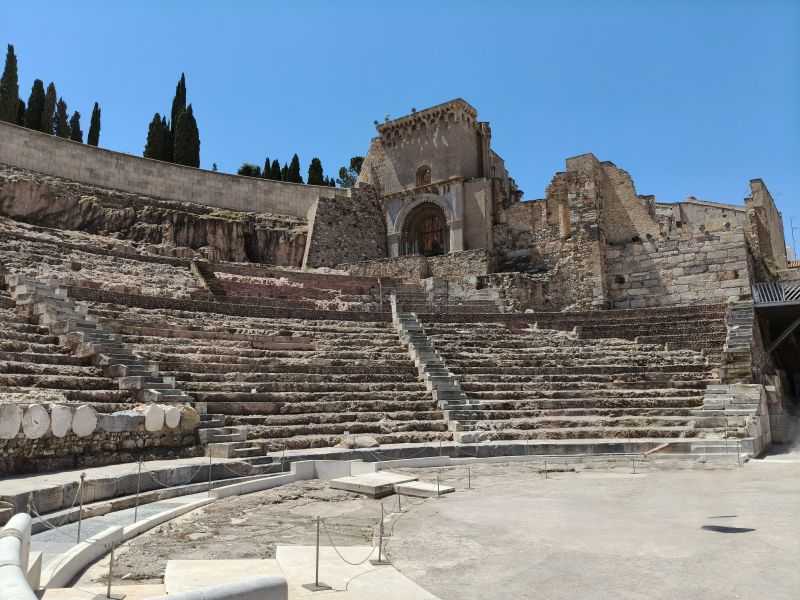
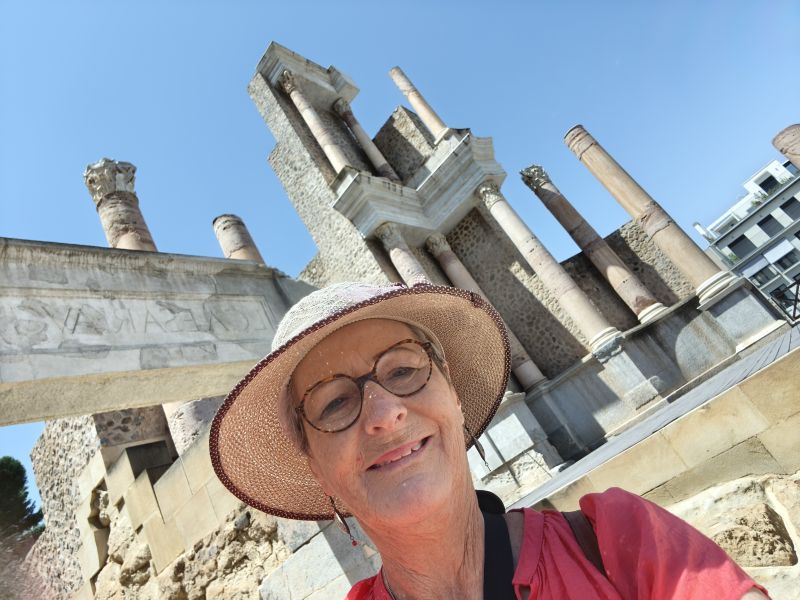
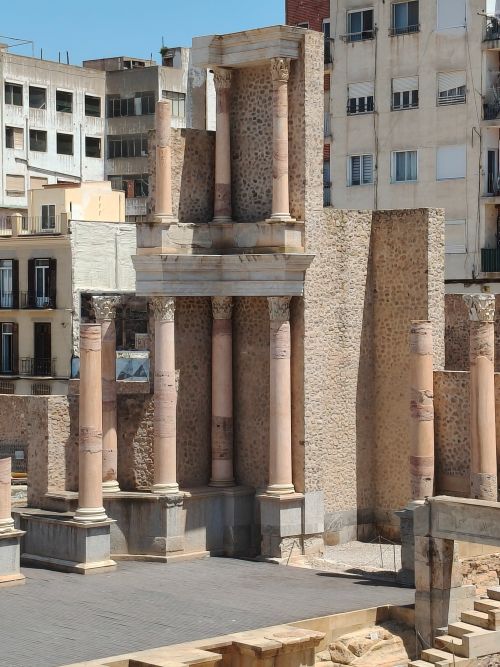
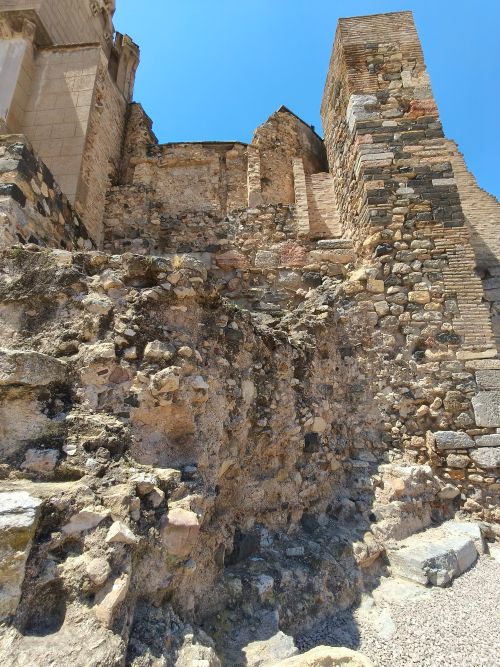
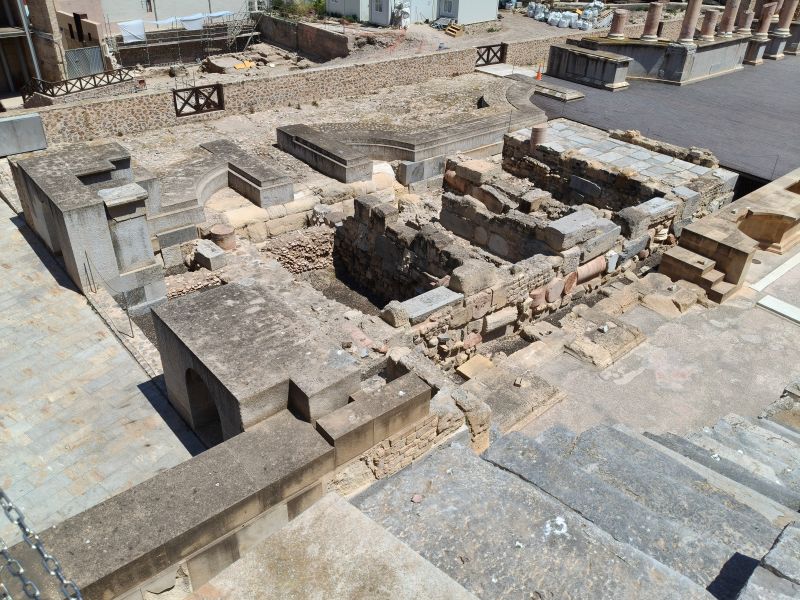
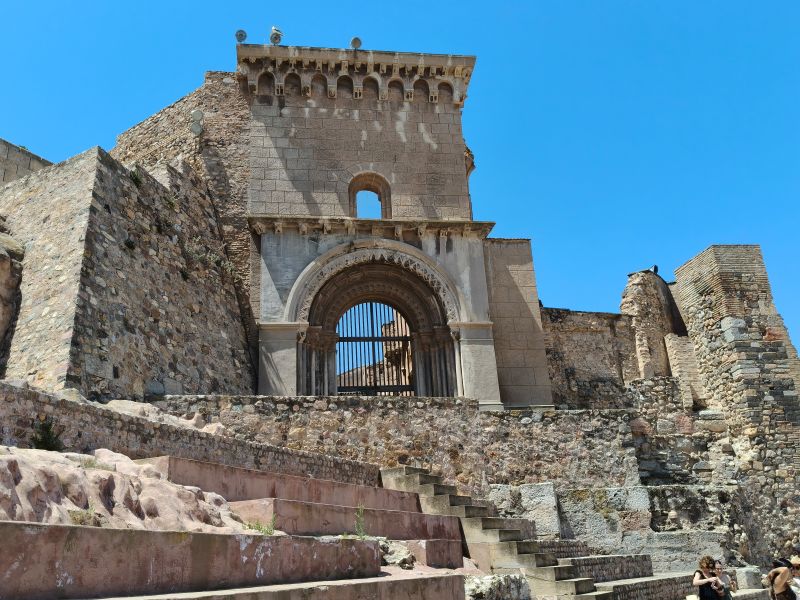
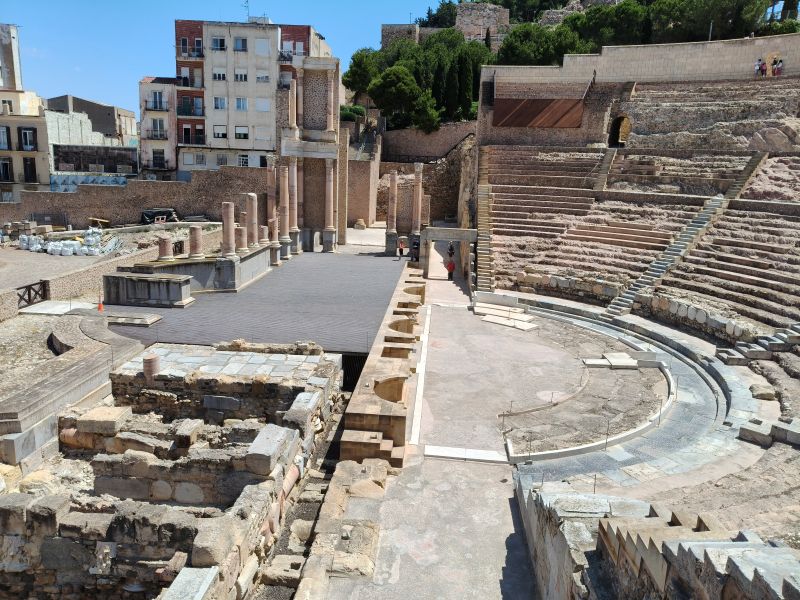
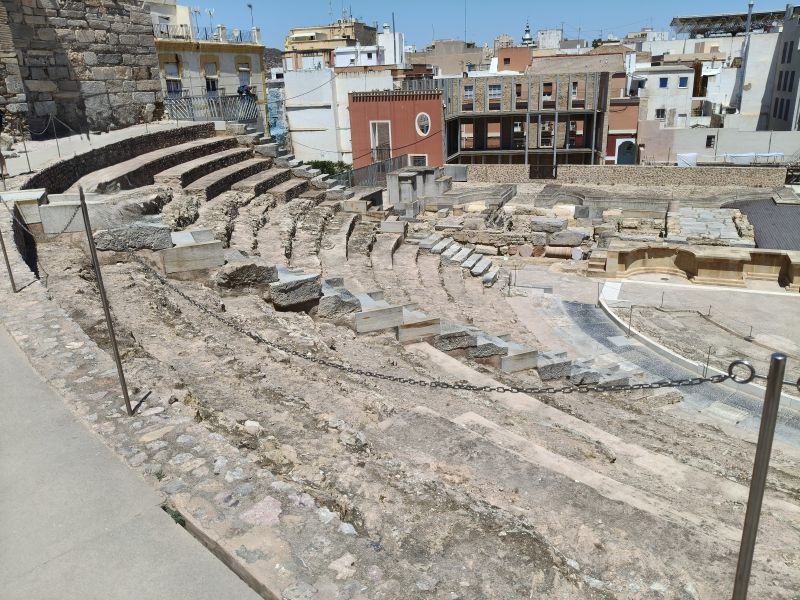
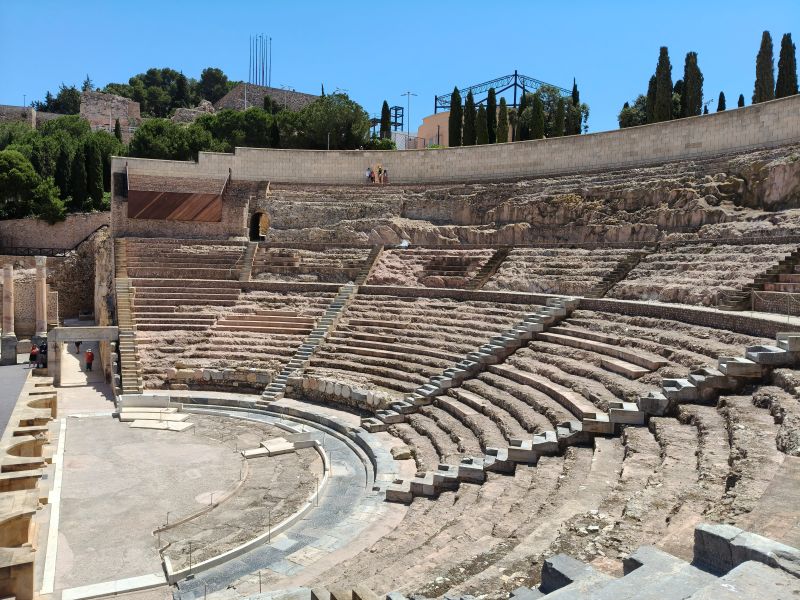
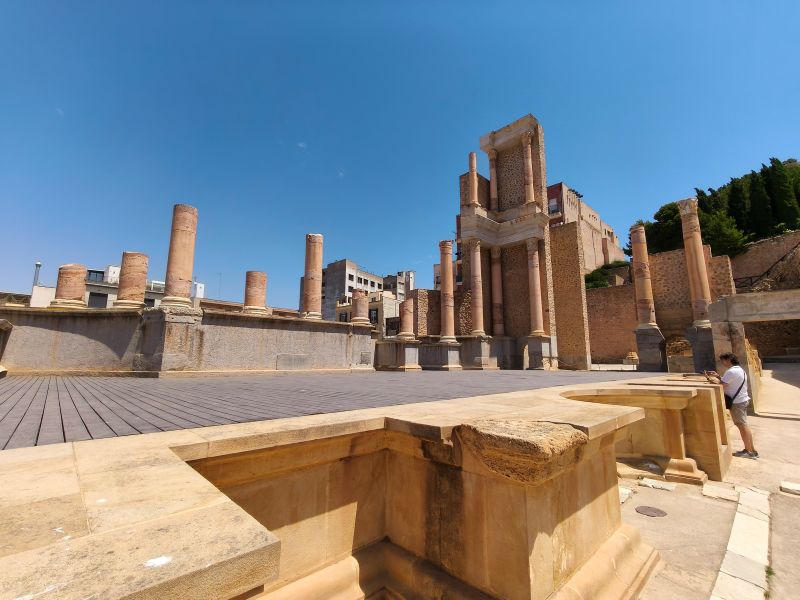
We spent time exploring and viewing the different areas before walking through nearby streets to find somehwere for some lunch.
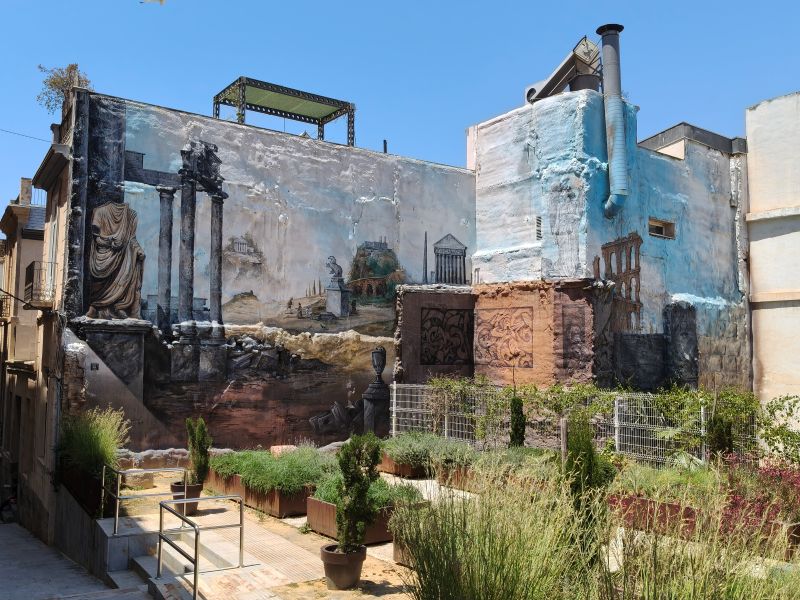
A small, but busy, tapas bar ‘La Fortaleza’, provided us with tasty food and drinks (https://www.facebook.com/croquetaslafortaleza/).
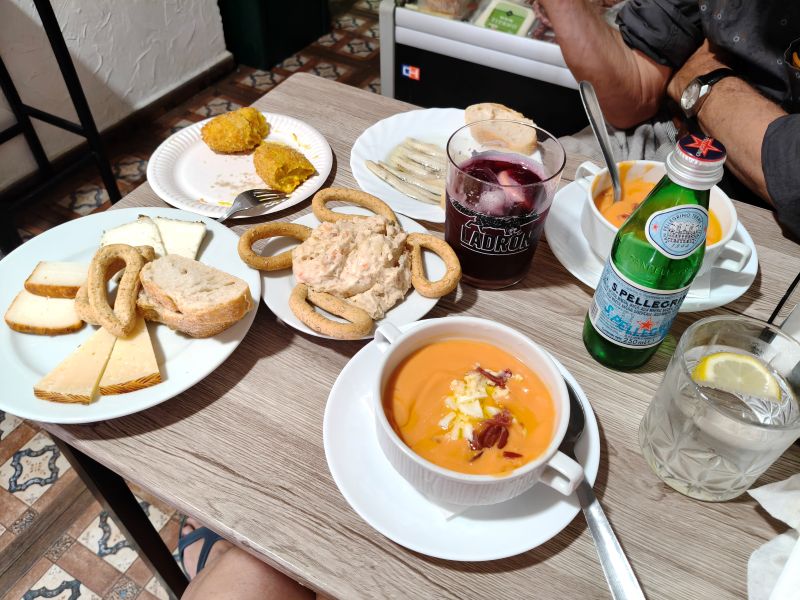
After our meal, we wandered the streets back towards the port, returning to Casa del Aljibe where we swam and enjoyed our little piece of paradise.
Venta La Muela and Galifa

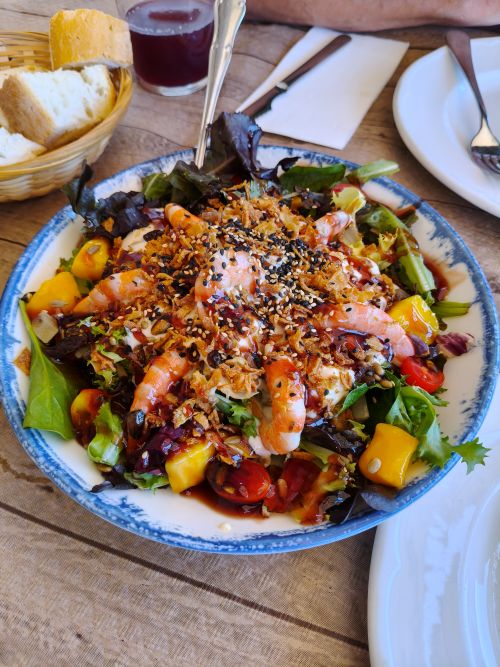
Later, having seen a rural restaurant on the map of our local area, we drove about 7km (4.3mi) to ‘Venta La Muela’ on the outskirts of a small town named Galifa. It is situated on the road to the popular beach Playa El Portús and close to the Pico de la Muela hiking area. Offering traditional, rustic style Spanish recipes, the food is considered hearty. We were impressed with our meal as we sat in the outdoor seating area (being Sunday, the main dining room was fully booked). We decided it was definitely a place to re-visit!
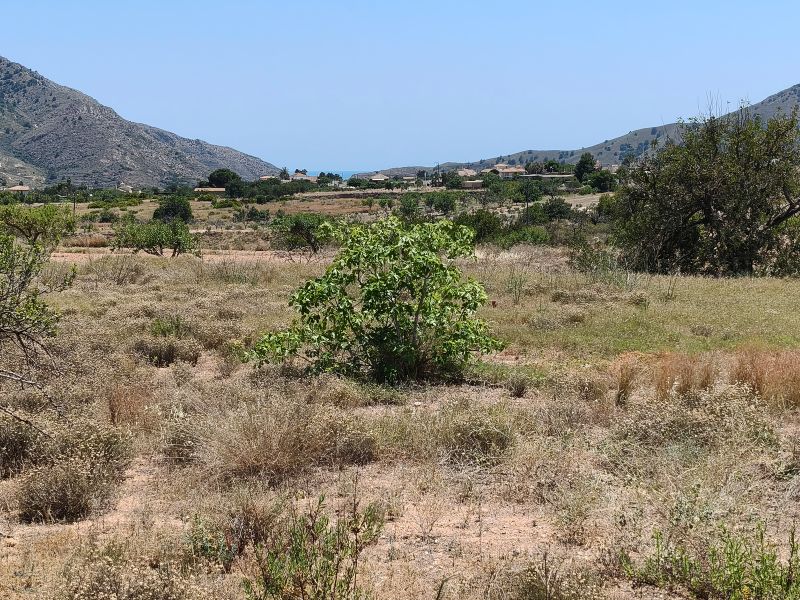
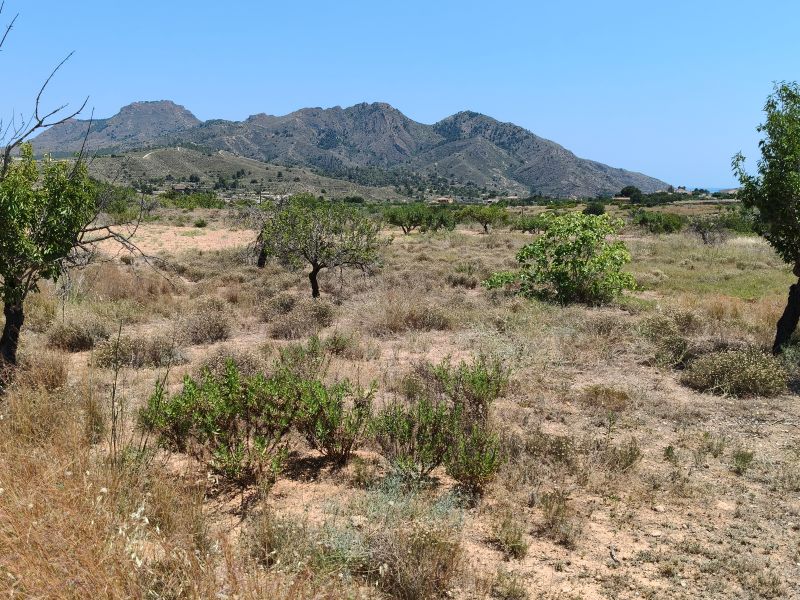
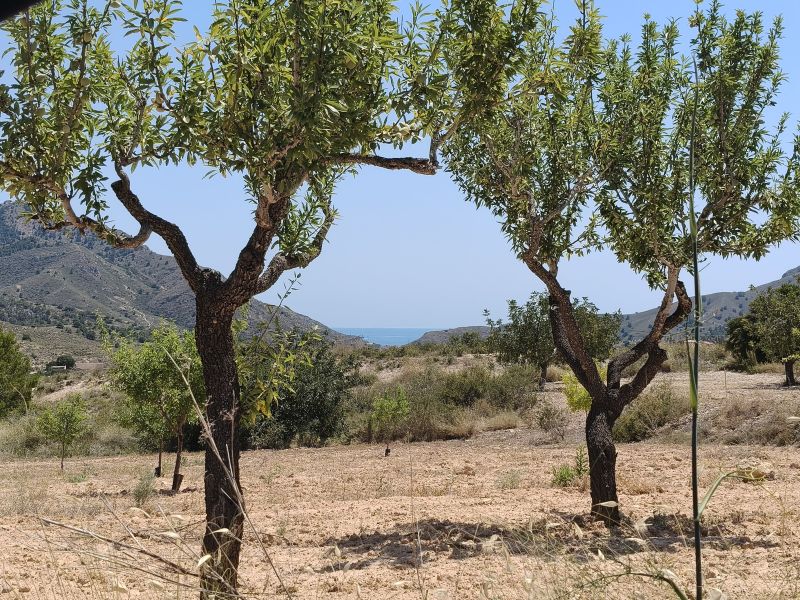
We drove back along the narrow country roads lined with almond, olive, and fruit trees set in the dry desert lands above the town of Galifa, where the view extends down to the ocean at El Portús.
https://www.facebook.com/p/Restaurante-Venta-la-Muela-100087590866890
In the evening we swam and made plans for the next day, following which Manfred chatted to our hosts and they told him about the history of their time here and their plan to rebuild the aljibes in this little country village.
Murcia
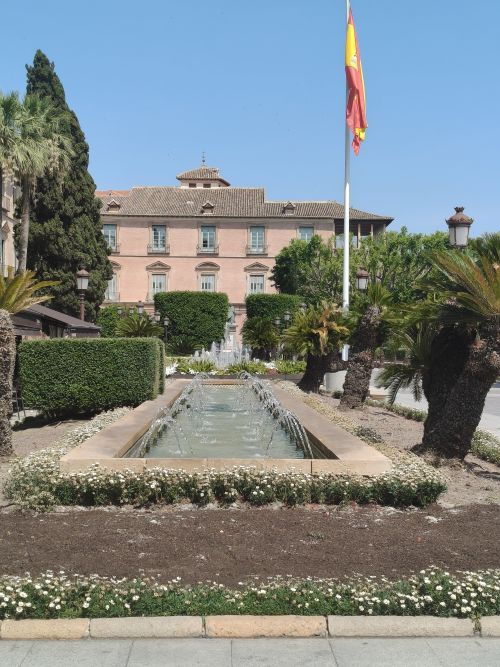
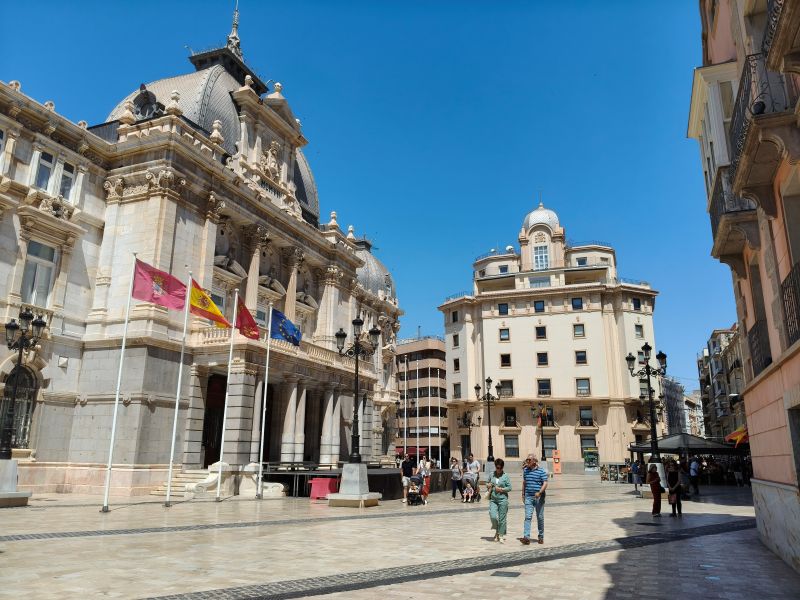
Setting our GPS for a parking area 1 hour away in the centre of Murcia, we made our way inland to the capital city of the region and were surprised when we found the entrance to the underground parking building so easily. We came up into daylight and crossed the Segura River that runs through Murcia to enter the Historic Public Square called ‘Glorieta de España’. The square is lined with palm trees along a linear water fountain where the Monument to Cardinal Luis Antonio Belluga y Moncada (1662-1743) has been relocated from its original 1885 space in Plaza Cardenal Belluga on the other side of the the nearby 18th-century Episcopal Palace of Murcia.
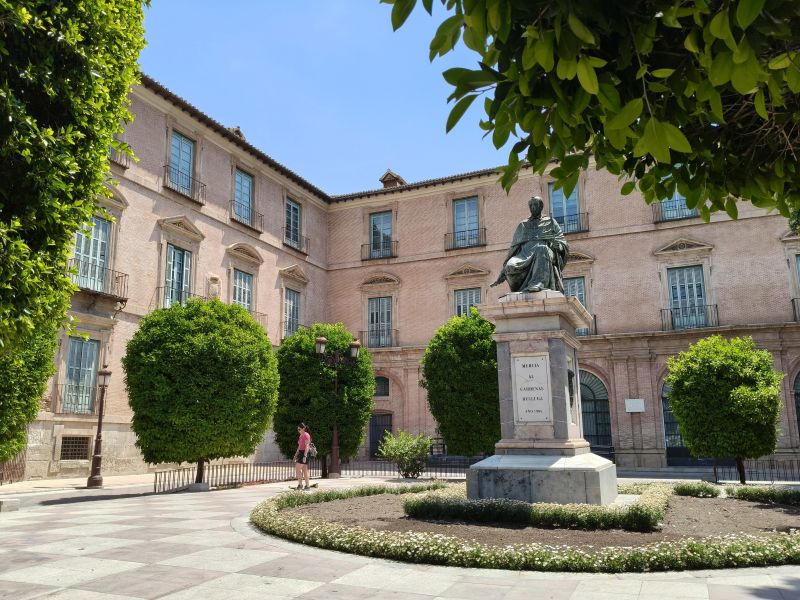
We took the walkway alongside the neoclassical City Hall and Episcopal Palace to enter the Plaza Cardenal Belluga. On one side, restaurants and cafes line the large open paved space below a variety of building facades reflecting the architectural evolution of the last few hundred years. Set in the heart of the old city, the plaza is a place where people meet, and locals gather to shop and socialise.
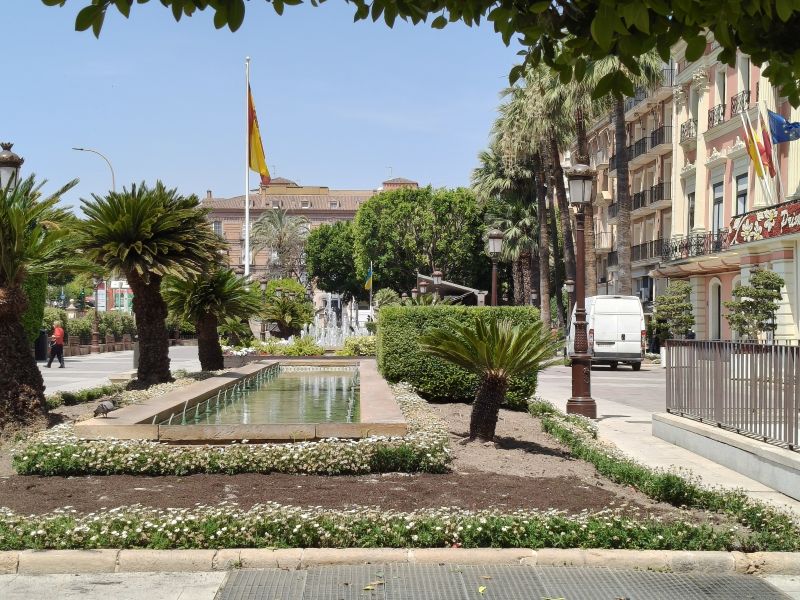
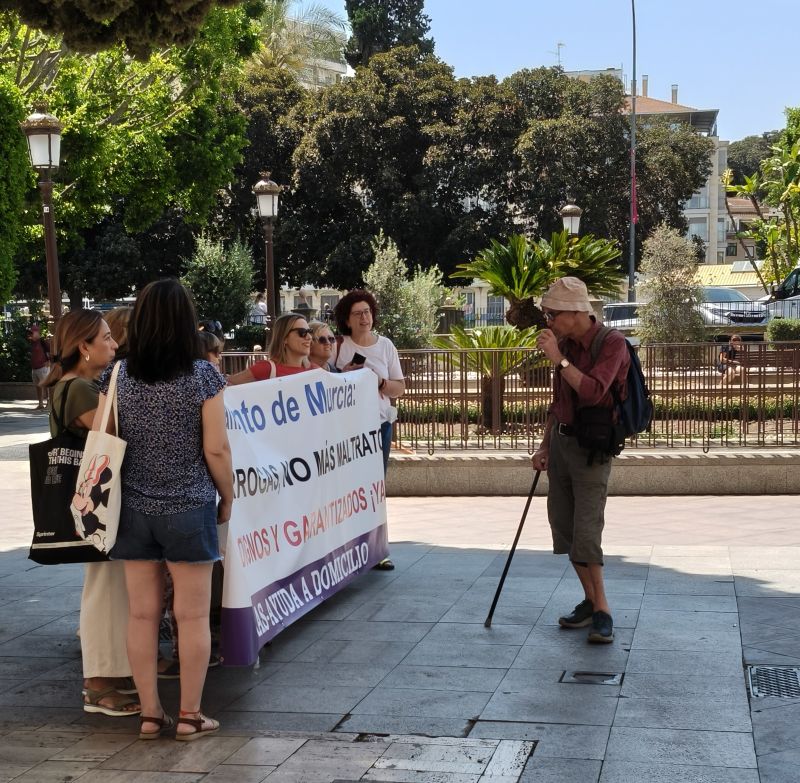
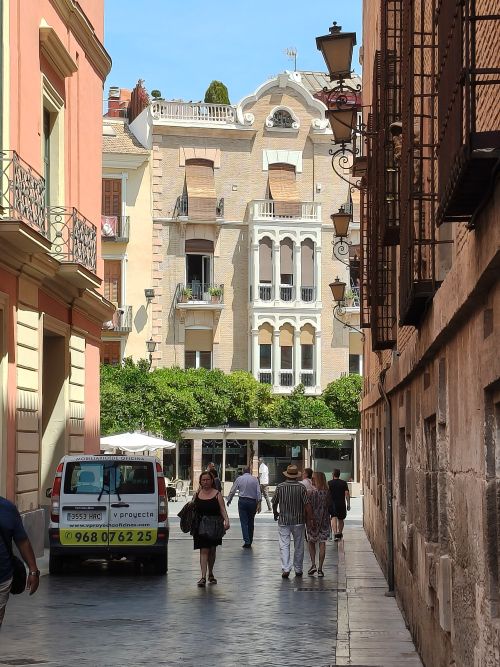
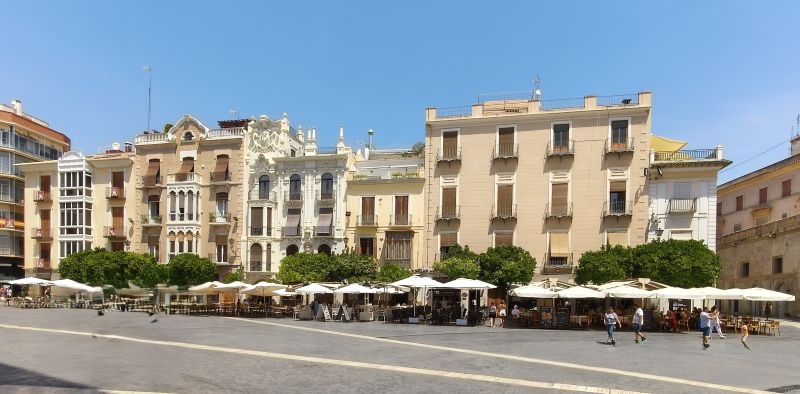
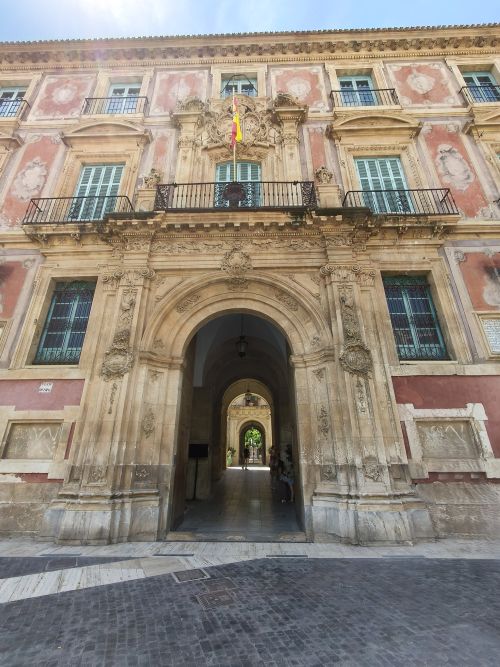
Towards the Cathedral end of the plaza is the Episcopal Palace, built in the Rococo architectural style of the 18th century, it is described as having ‘striking pink and red painted walls, carved stone arches with decorative wrought iron balconies’. Rococo came on the heels of the heavier grandeur of the Baroque period, providing an exhuberant, lighter more playful reaction to the style of art in the early-mid 1700s.
Murcia Cathedral
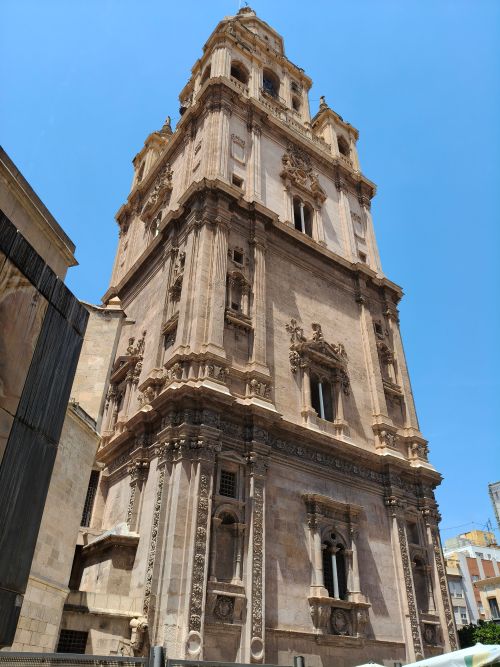
The historic Murcia Cathedral’s architecture, known as ‘Cathedral Church of Santa Maria’ draws attention, dominating the plaza. It blends Gothic, Renaissance, and Baroque styles with the facade being an example of Spanish Baroque style. The ground was broken in 1394, and construction took place over several centuries culminating in the building of the bell tower in five stages from 1521-1793. Unfortunately, it is only opened for limited hours on a Monday, so we were unable to go into the Cathedral and missed seeing the interior of this marvellous structure.
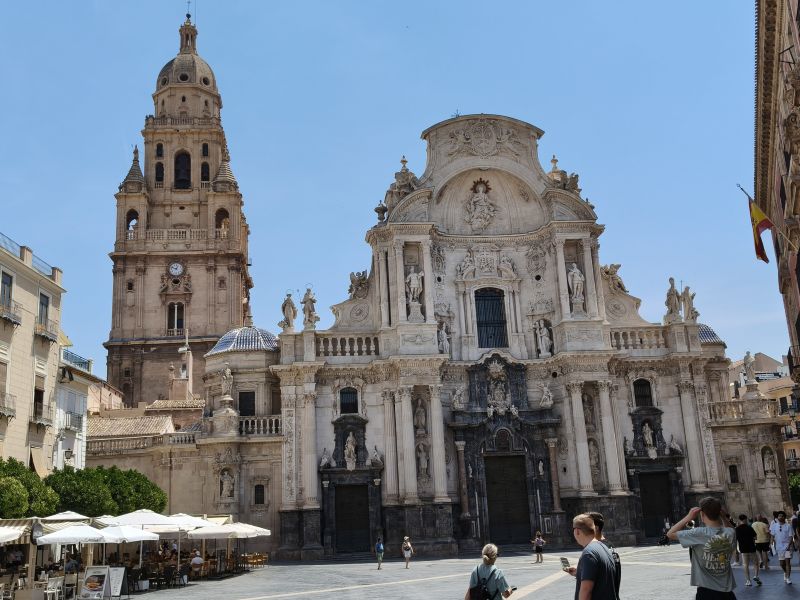
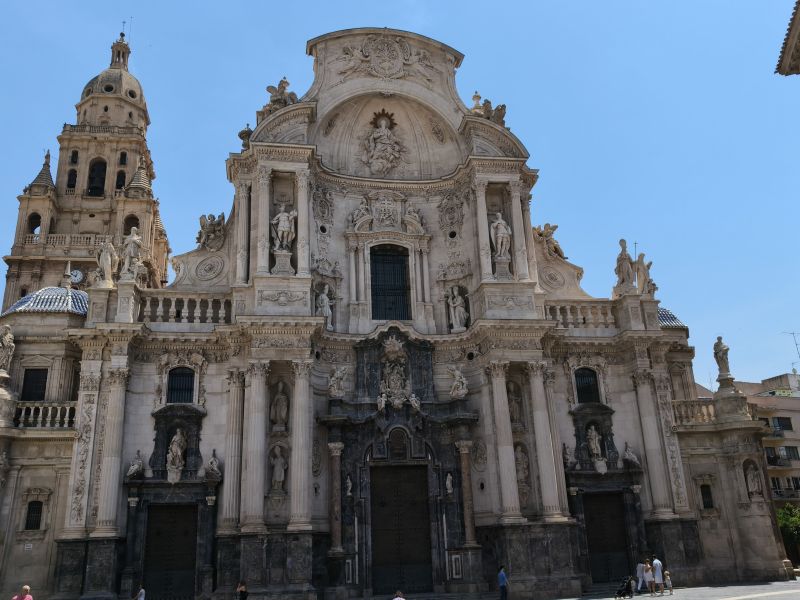
Read more about the Cathedral here: https://catedralmurcia.org/cathedral/
Read more about the Bell Tower here: https://www.turismodemurcia.es/en/climb-the-cathedral-tower
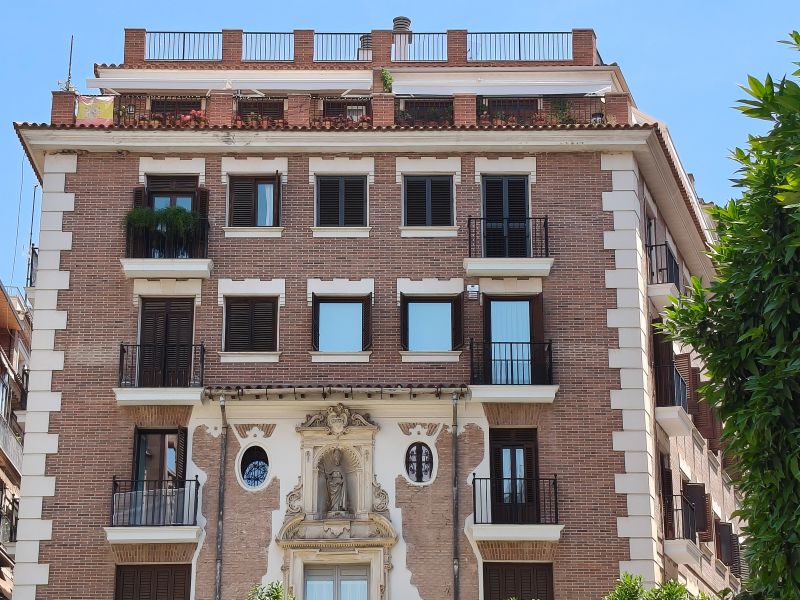
After marvelling at the plaza’s beauty we moved around the enormous Cathedral towards the Plaza de los Apóstoles where we enjoyed the orange tree lined paved streets and its warm atmosphere, lined with cafes, restaurants, and the tell-tale umbrellas shading tables of customers, relaxing over their food, wine, and coffees. The ornate façade of the Portada del Colegio de san Leandro, built by Cardinal Belluga in 1774 caught my eye. Originally used as a school to train young boys in music and singing for the services held in the Cathedral, the structure was demolished in 1971, but the façade was preserved for its historical heritage value and from 1974-1976 it was rebuilt as brick apartments. It was also previously the home of a private hotel, a weekly publication, newsroom, and military offices.
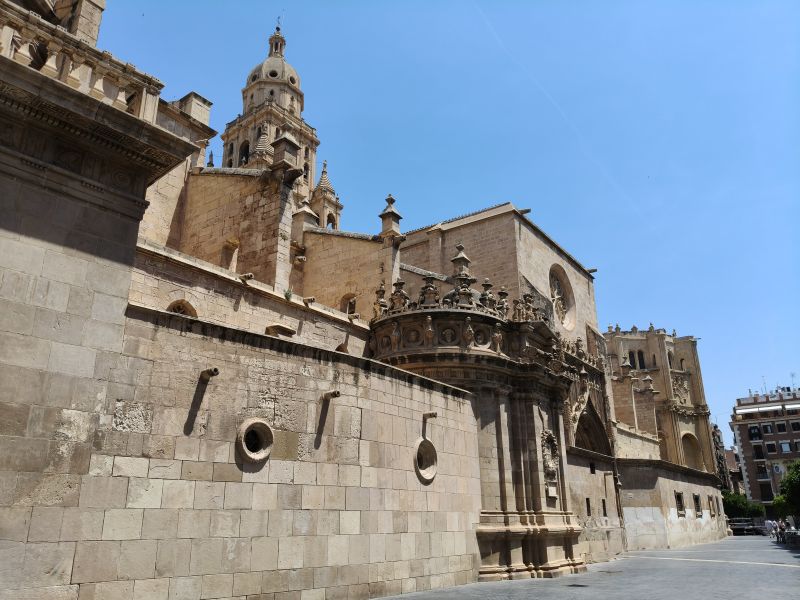
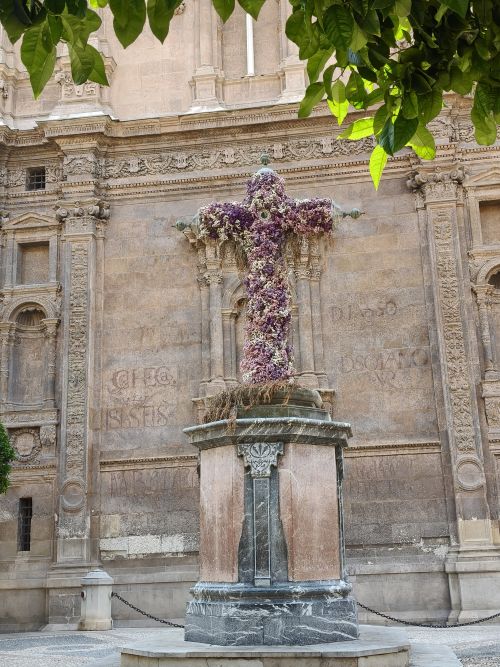
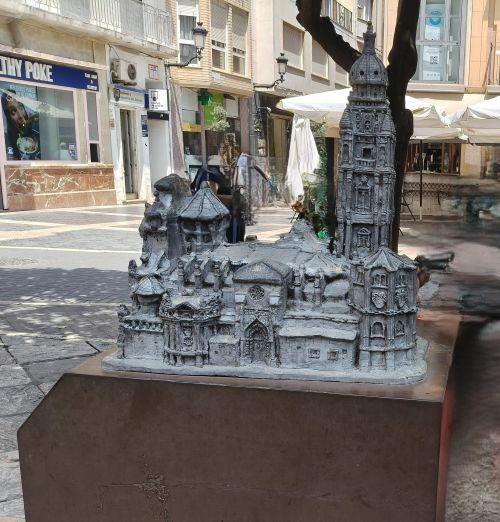
Passing through a narrow street, we came out at the back of the Cathedral in the Plaza Hernández Almores where the ‘Torre de la Catedral de Murcia’ (Tower of the Cathdral of Murcia) and the ‘Museo de la Catedral de Murcia’ (Museum of the Cathedral of Murcia) are located. There is a small park like area and an ‘accessible’ architectural replica model of the Cathedral featuring braille and ‘textured detailing’ to allow the visually impaired to experience this iconic building.
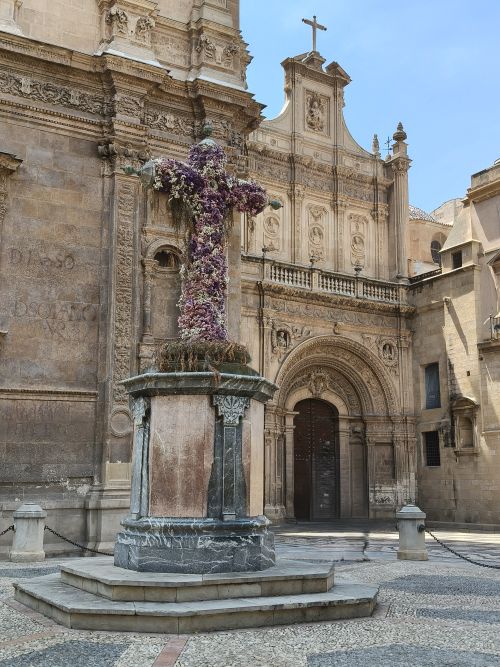
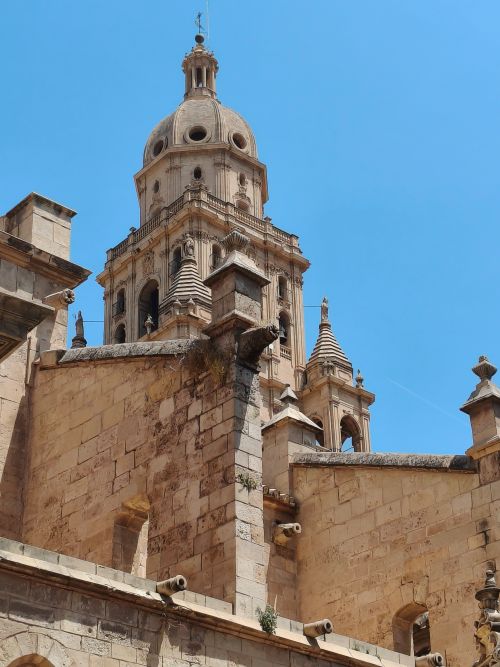
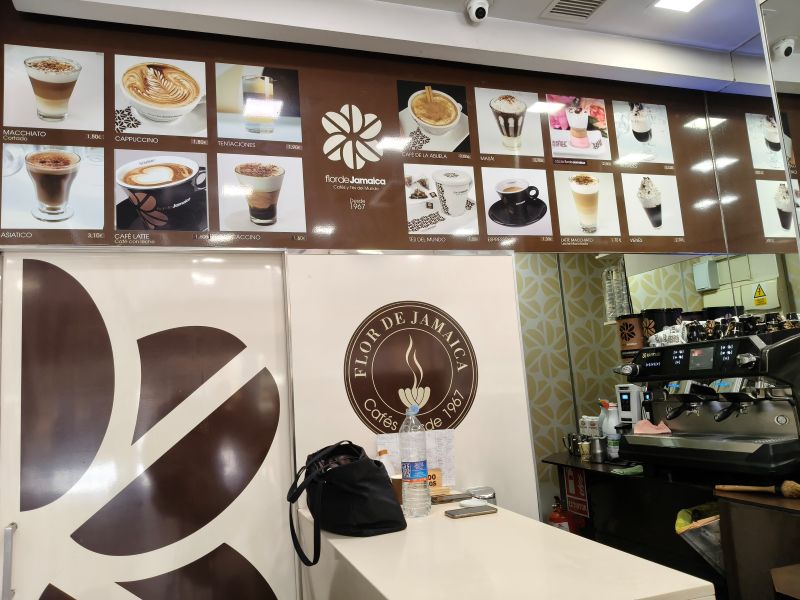
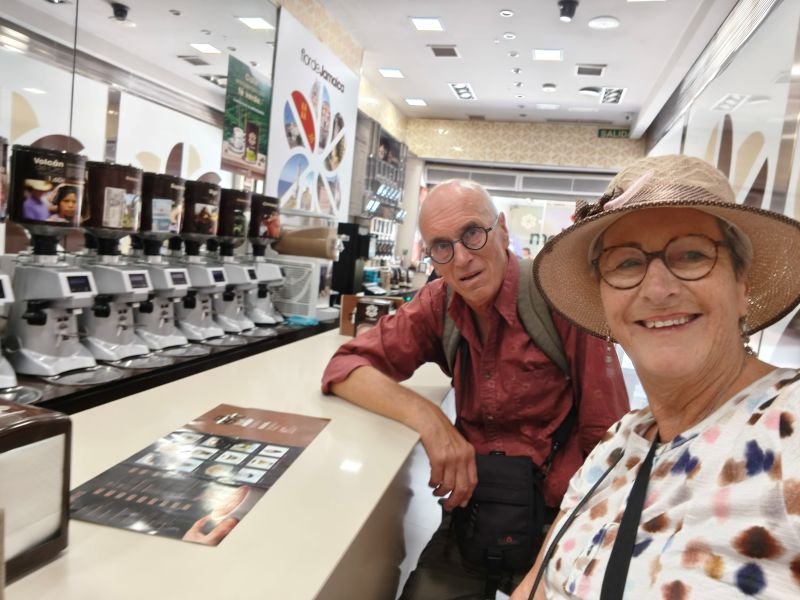
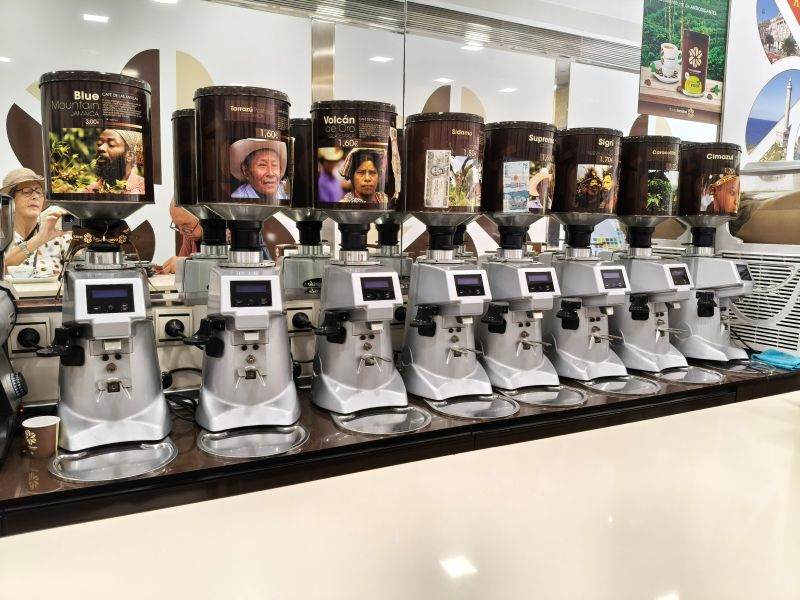
We walked a short distance up a nearby street to ‘Flor de Jamaica’ coffee roasters and had a quick coffee before setting off to find the ‘Real Casino de Murcia’.
Coffe and the Real Casino Museum
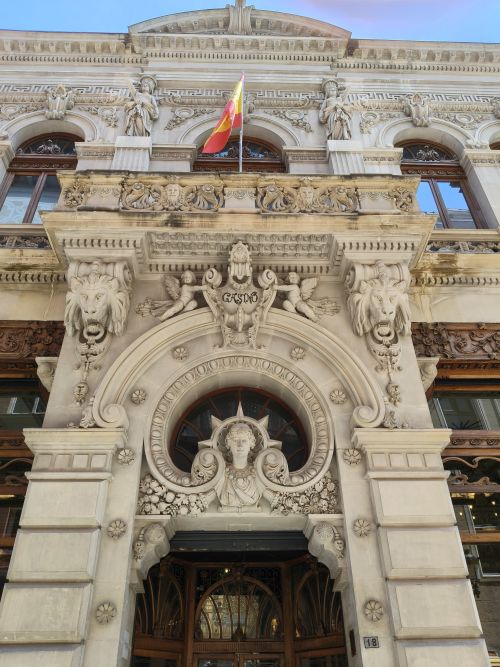
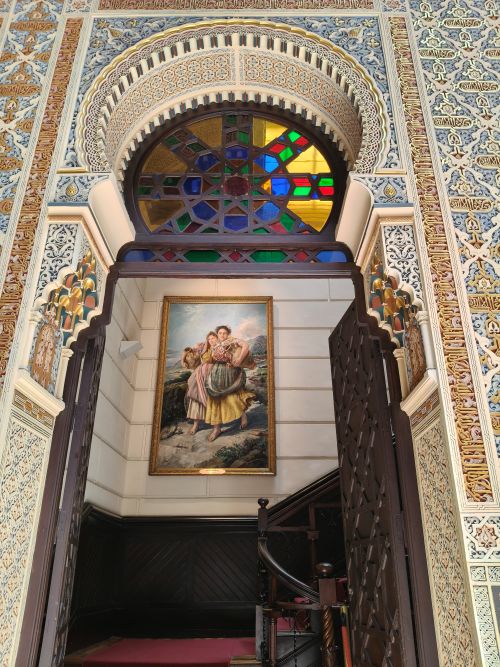
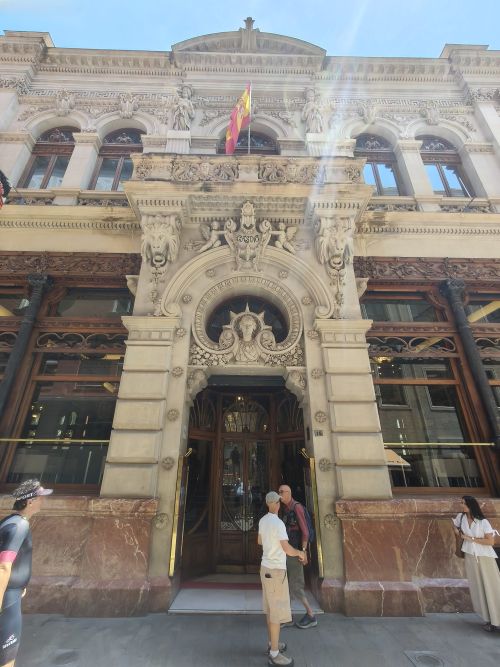
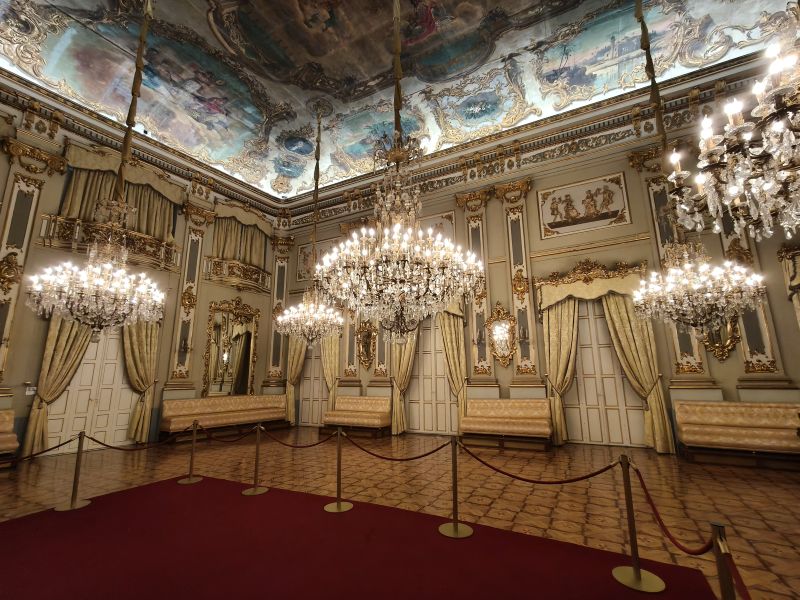
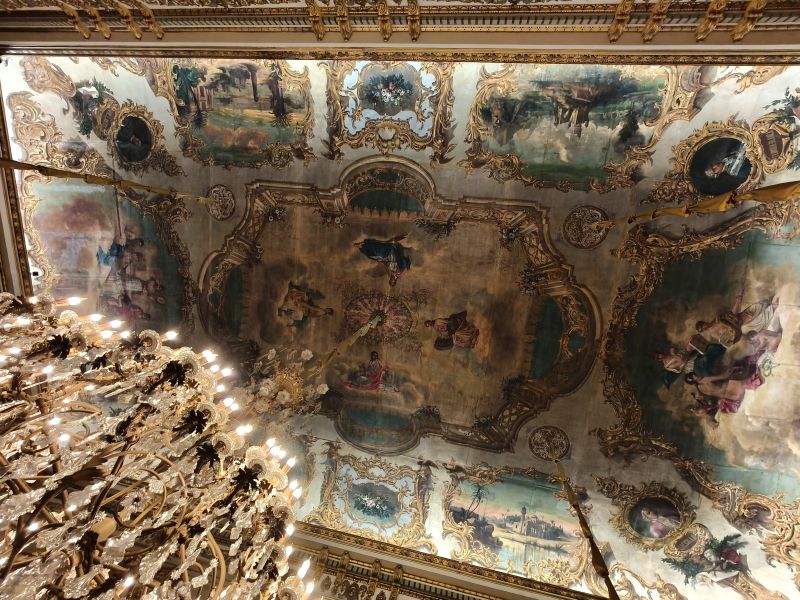
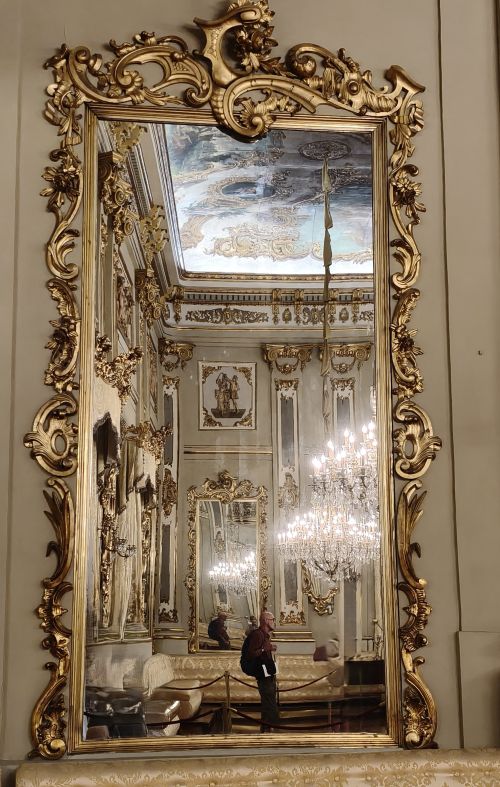
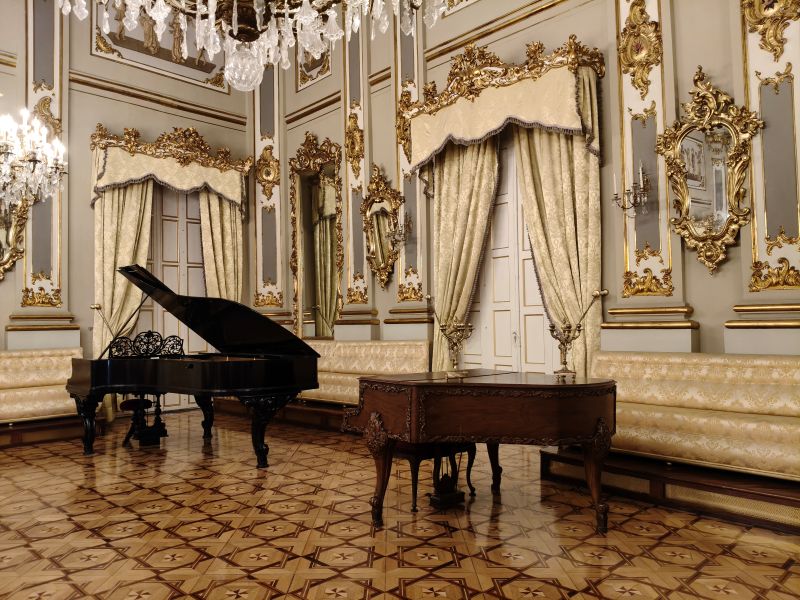
Built in 1847, this eclectic-style building, prominent in the social life of Murcia, has an amazing façade with chocolate coloured cream streaked marble, large carved wooden framed windows, and a decorated sandstone entranceway, leading to a foyer with a stained glass dome high above the Moorish tiled anteroom with arched doorways leading to a staircase and the main entrance walkway. How else to describe this incredibly decorated museum? I will let the photos and videos speak for themselves.
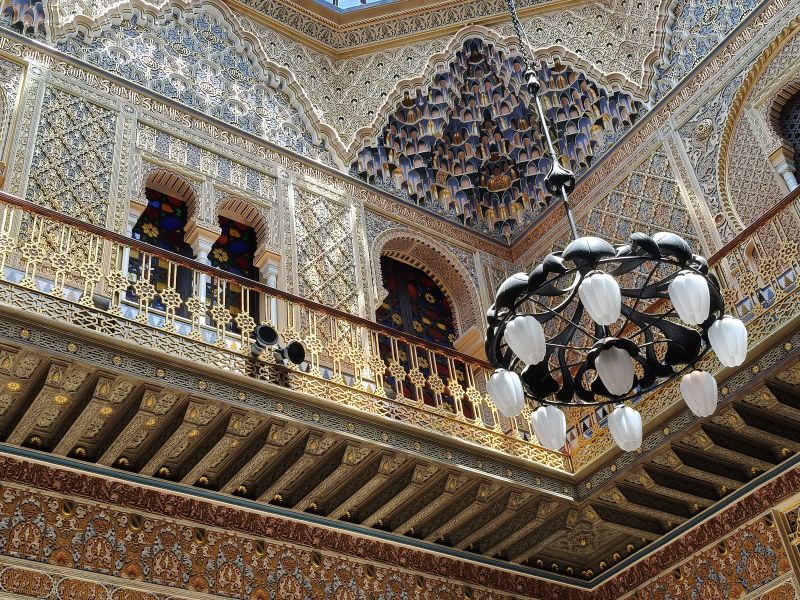
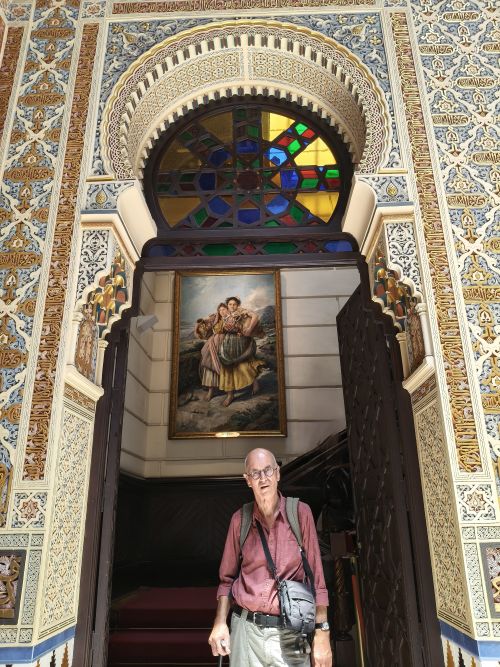
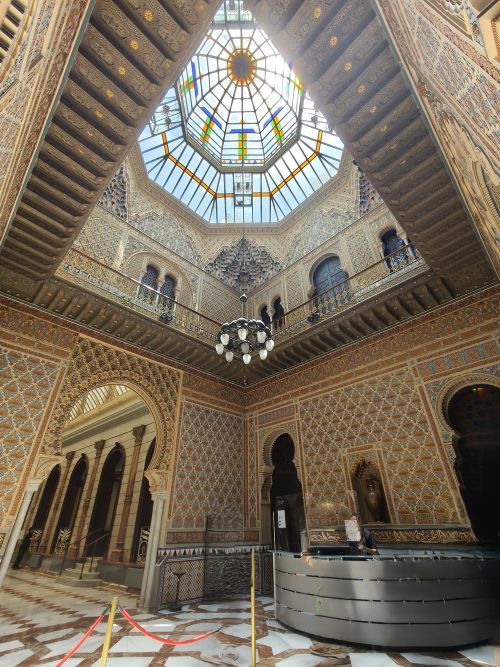
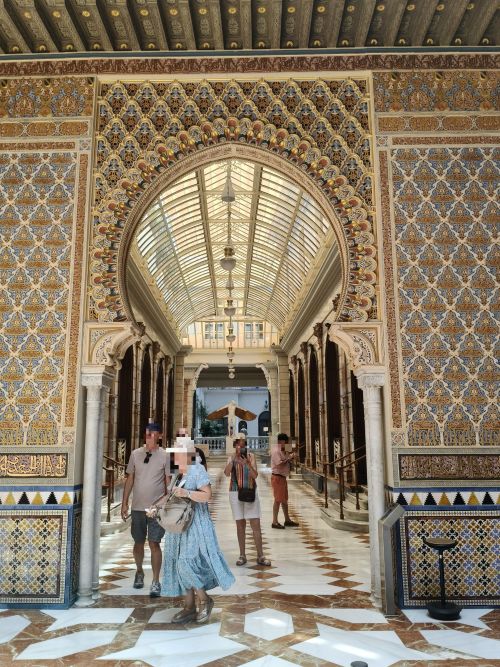
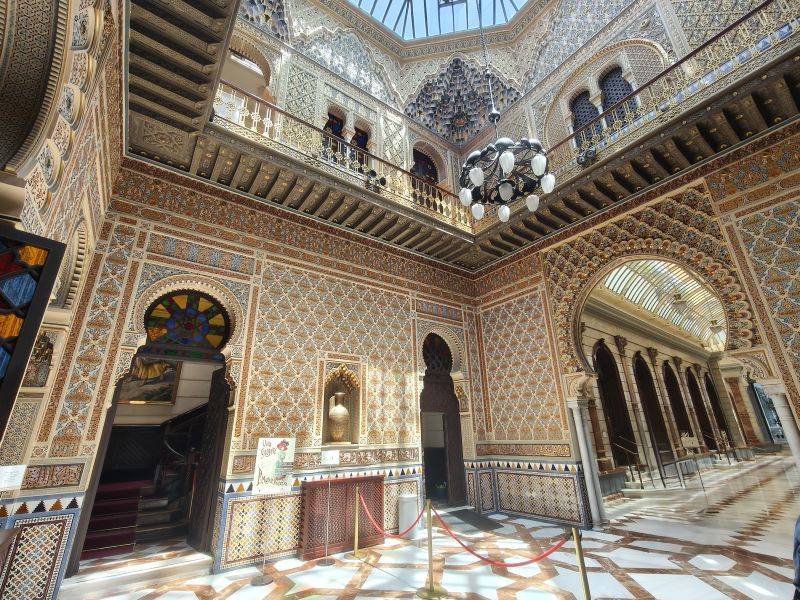
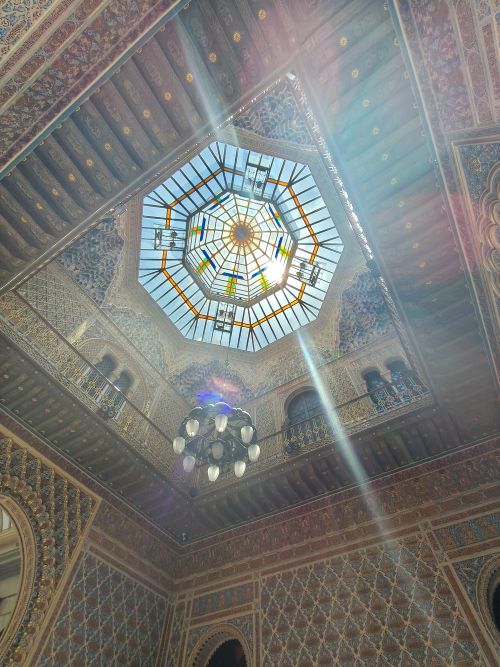
The casino museum includes the Moorish Patio, Library, Ladies’ Power Room, Dance Hall, Billiards Room, and the Pompeian Patio. Restored in 2007, it has a restaurant and billiard hall and remains active as a casino as part of a private club which operates on the second floor, while the ostentatious ground floor is open to tourists and for celebrating cultural activies.
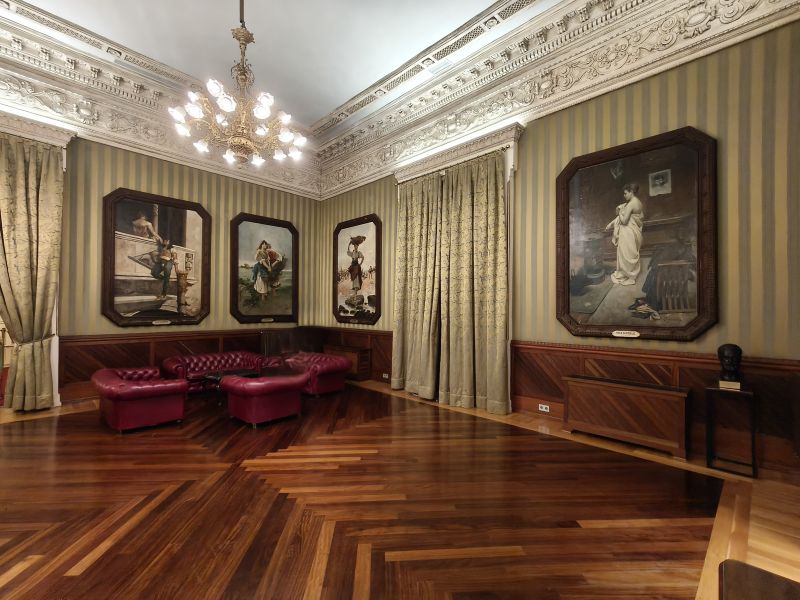
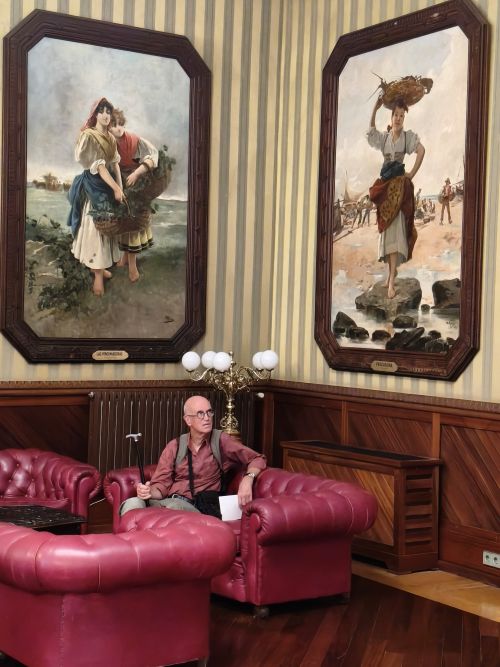
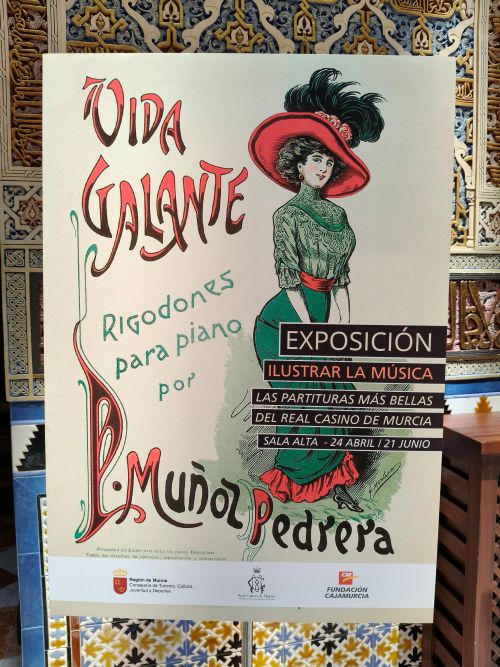
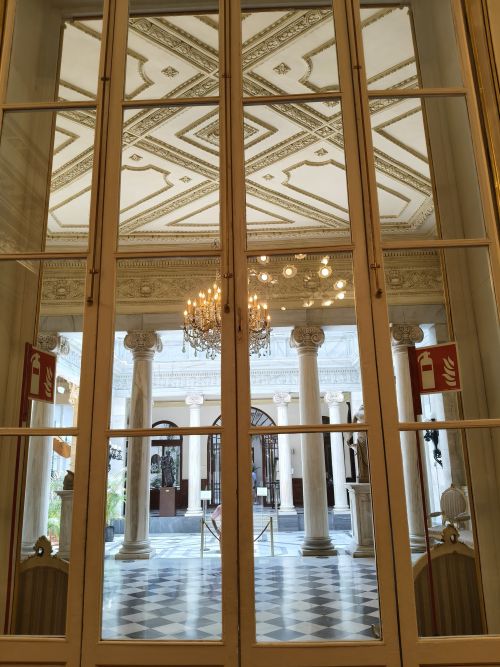
We wandered through the rooms and halls enjoying the variety of decor between each area, the art, sculpture, colours, and the play of light through the glass roof.
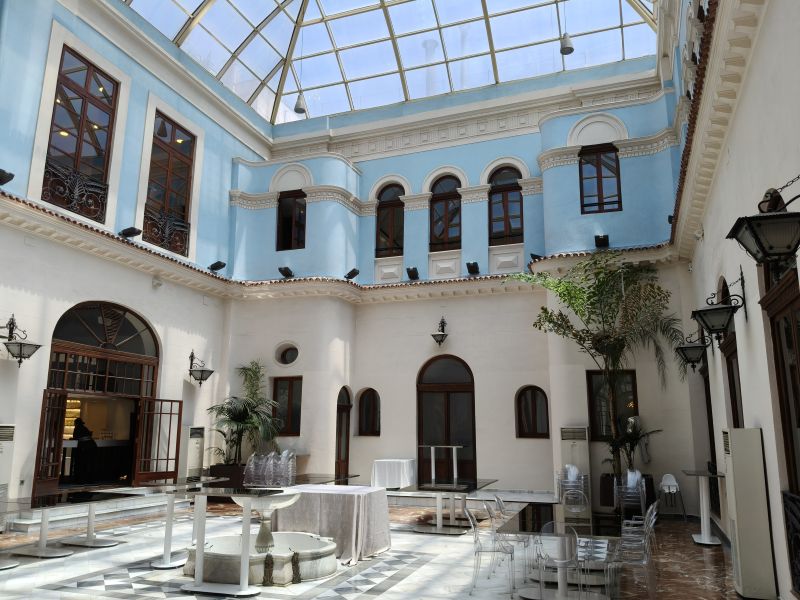
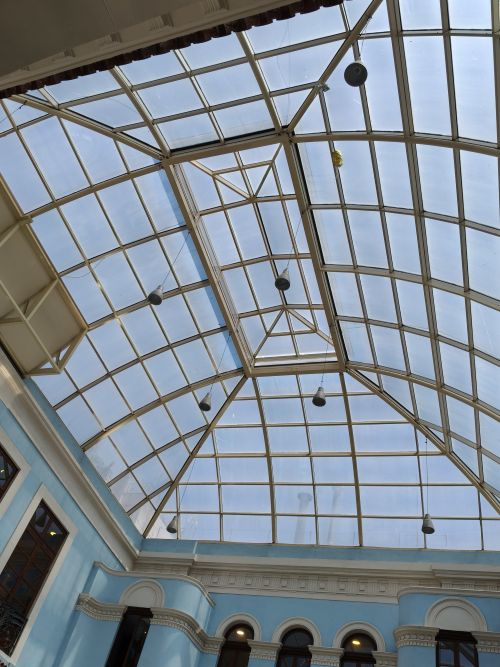
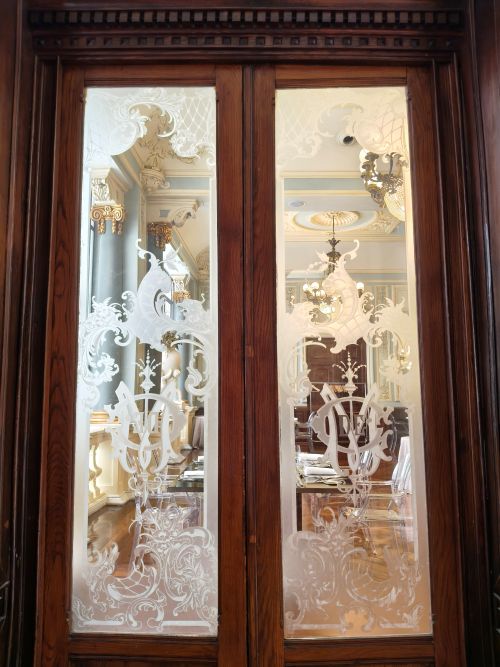
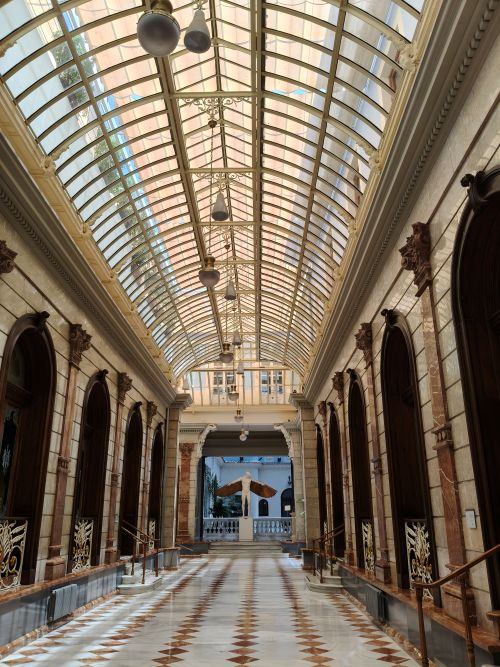
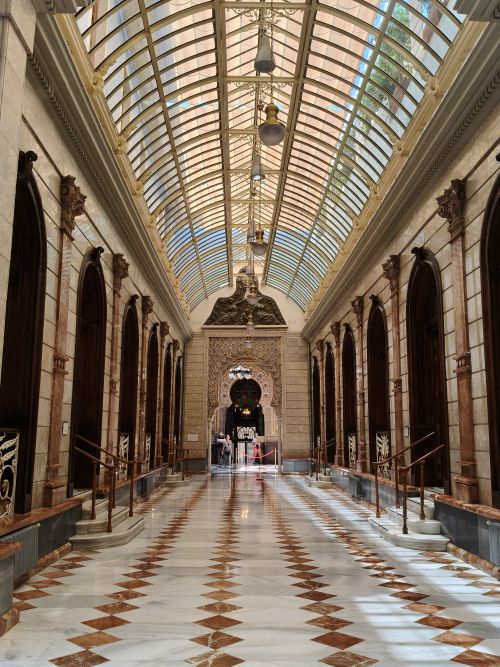
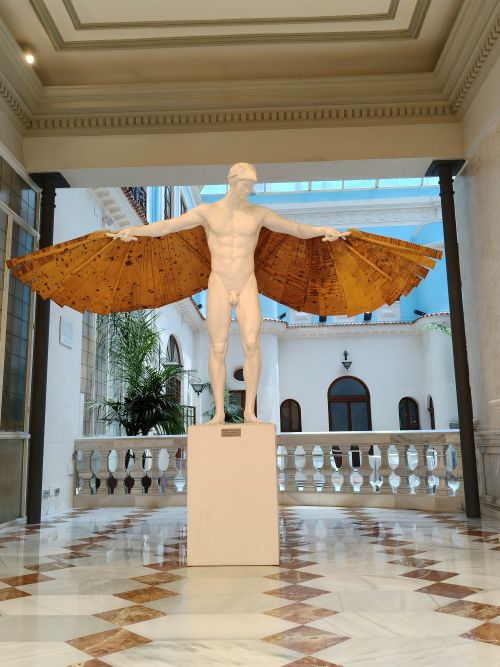
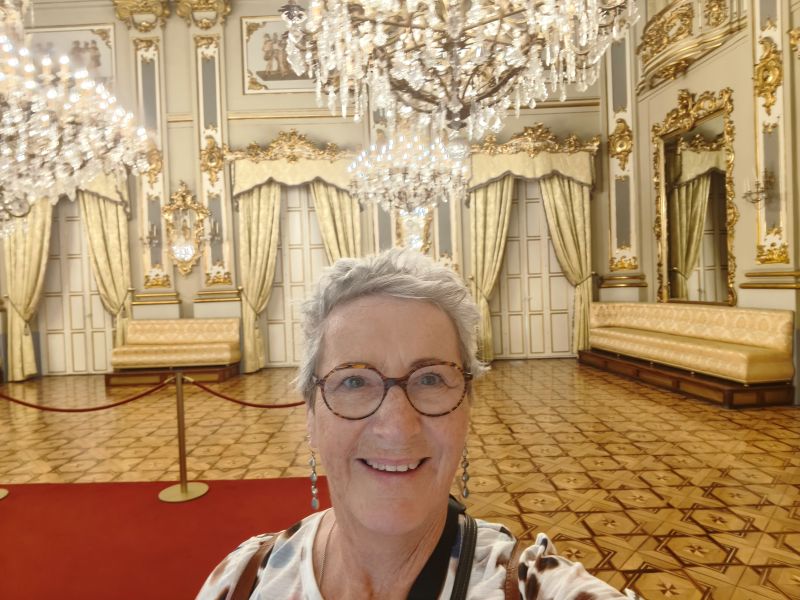
The totally amazing ornate ballroom photos and video
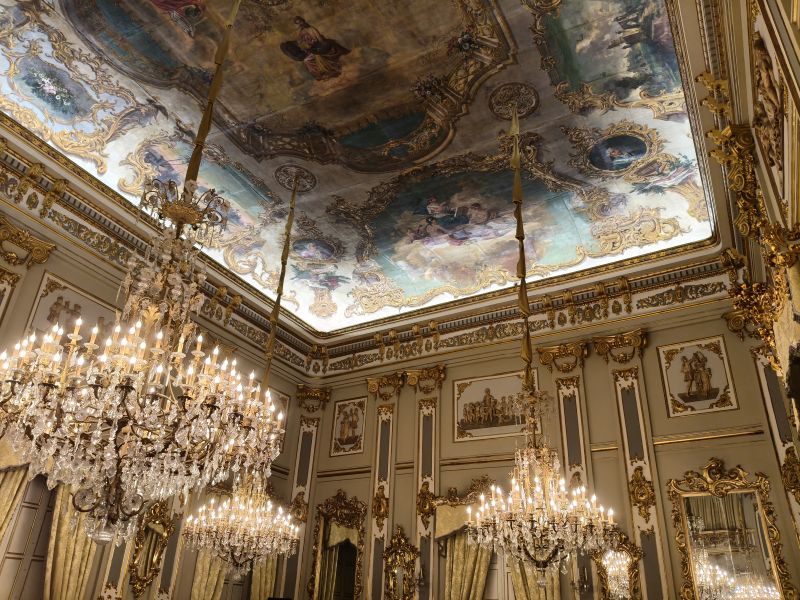
Art in the gunroom! (video)
Finding food
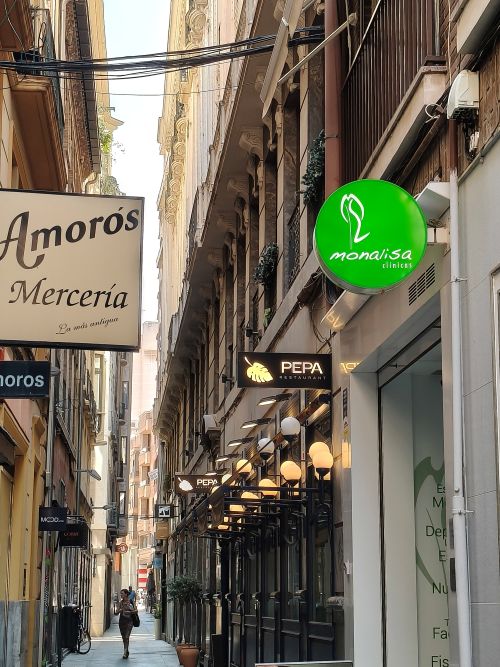
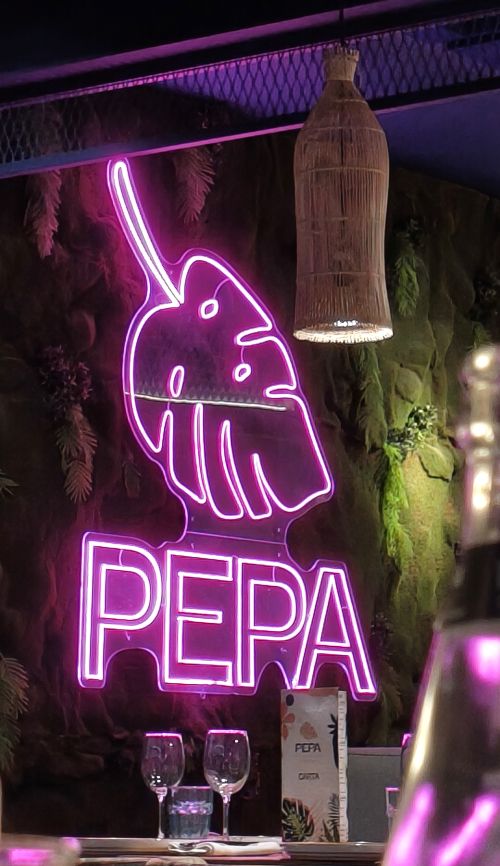
We went to a restaurant called ‘Pepa’ for lunch, an unusual choice for us in Spain as it was more of a business meeting restaurant than the tapas bars we frequent. The food was good, but the atmosphere, ‘not quite our style’!
Plaza de Santo Domingo
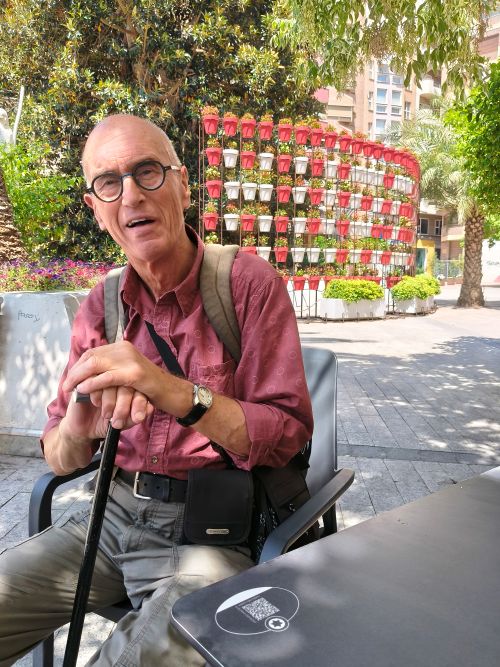
We wandered the streets, as tourists do, and found ourselves in the large Plaza de Santo Domingo, lined with restaurants with outdoor sun shades and decorated with sculptures, flower beds, and a potted flower sculpture set with red and white pots in a circular fashion around a large tree. On the edge of the plaza, Casa Cerdá houses residential living spaces across seven levels. Built from 1934-1936, it was the last work of a famous Spanish architect, José Antonio Rodríguez. Truly an iconic building to draw one’s eye among the feats of architectural marvels of Murcia.
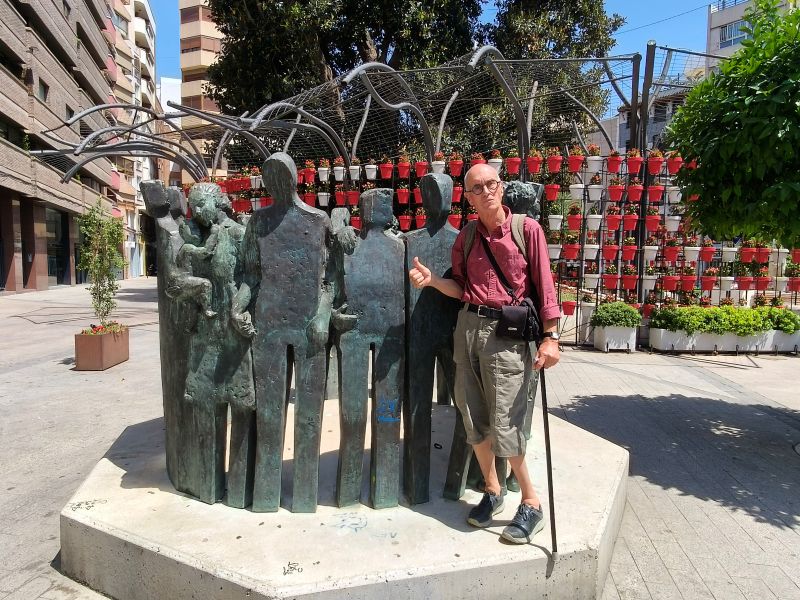
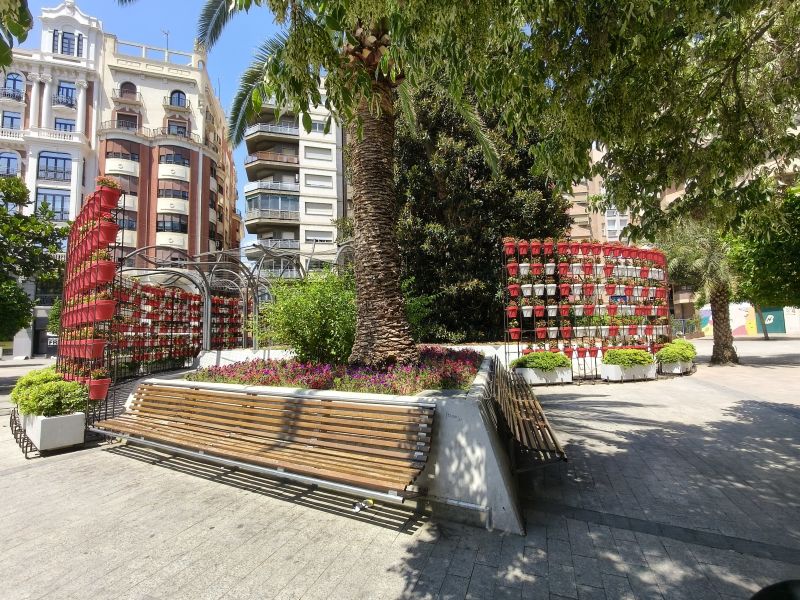
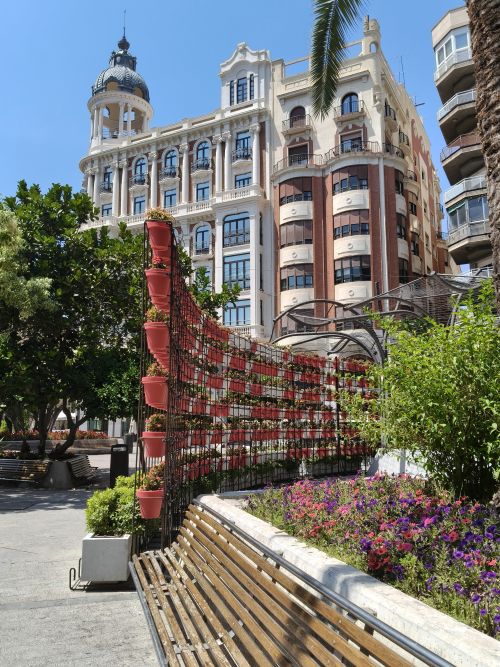
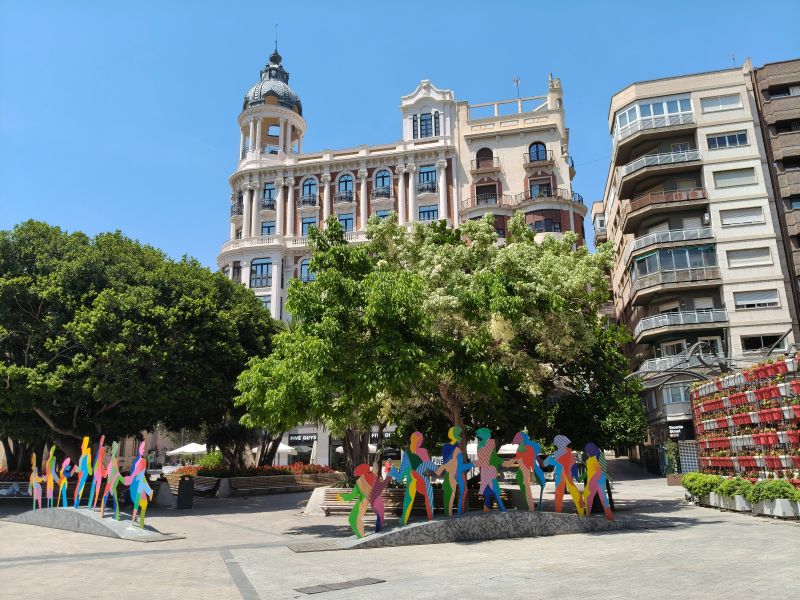
See photos and read more here: https://www.turismodemurcia.es/en/cerda-house
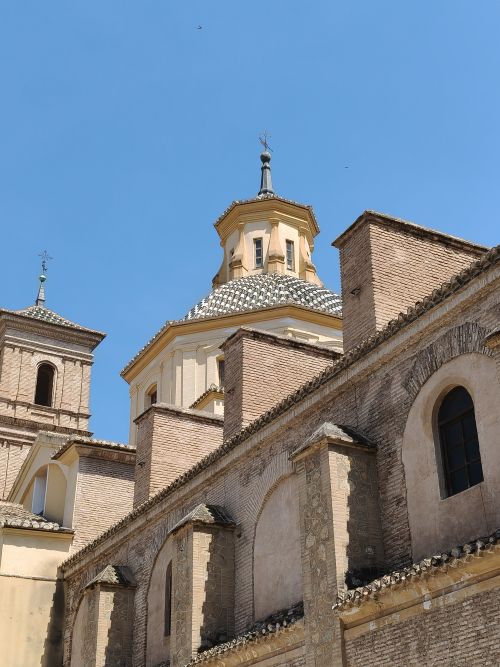
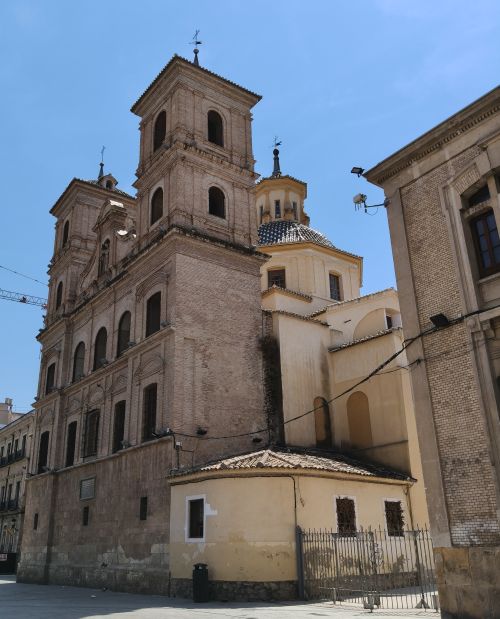
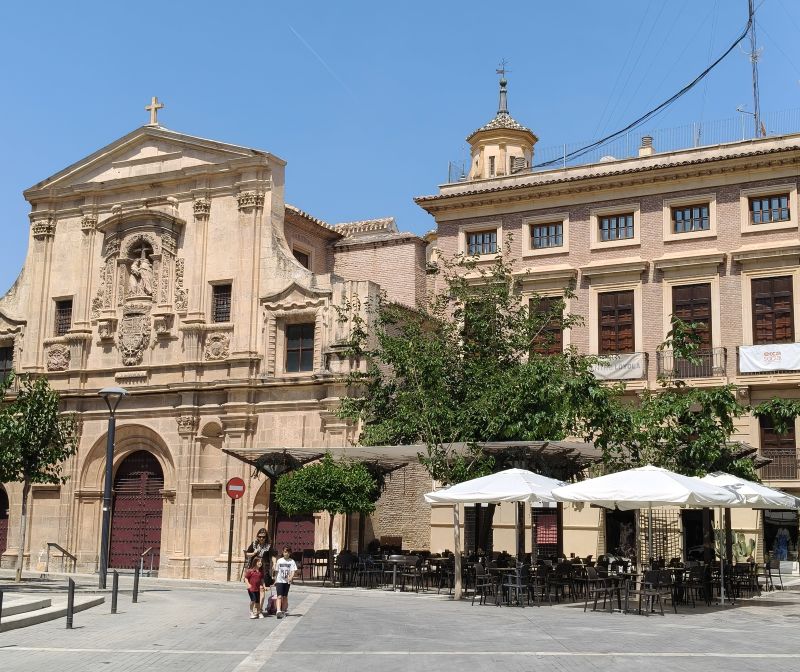
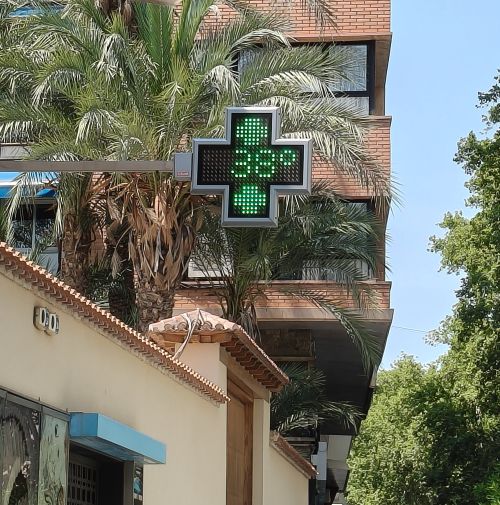
Wandering further, we passed the 18th century Baroque Church of Santo Domingo on our way to the Gran Via Alfonso X el Sabio – a long boulevard built in the 1930s where people wander and stroll between the Plaza de Santo Domingo and the Plaza Circular. We stopped to enjoy a cold drink in the heat of the day – the temperature guage on the green cross said 38 degrees Celcius.
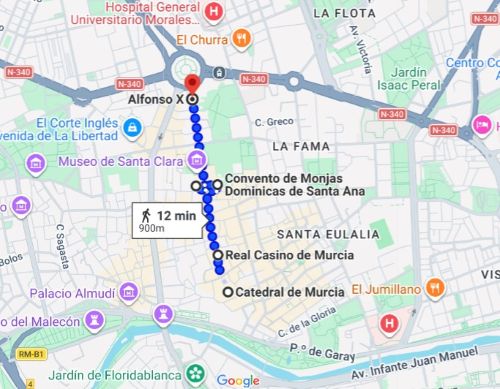
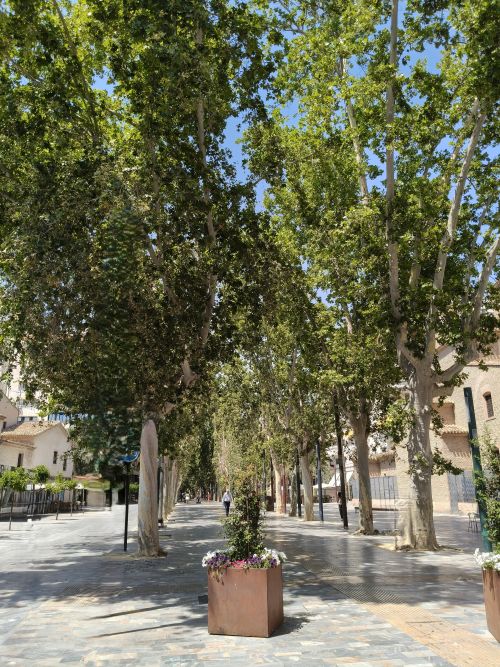
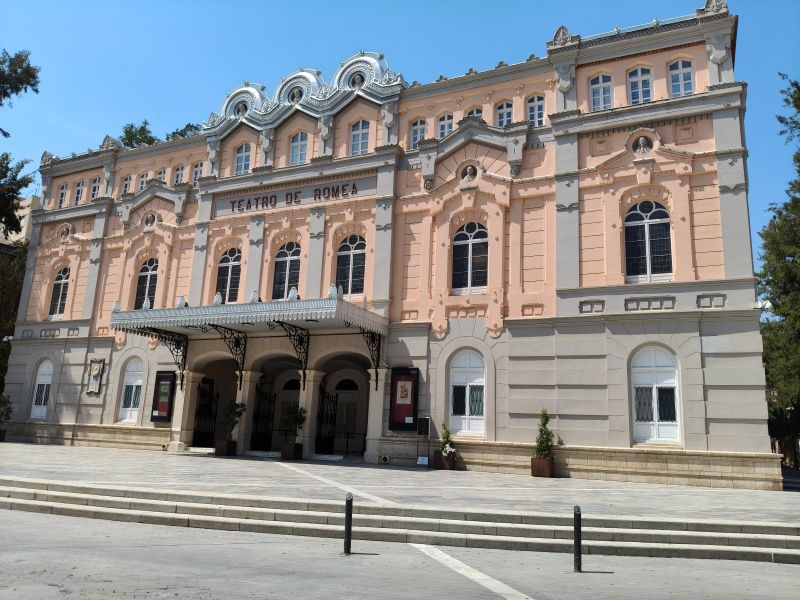
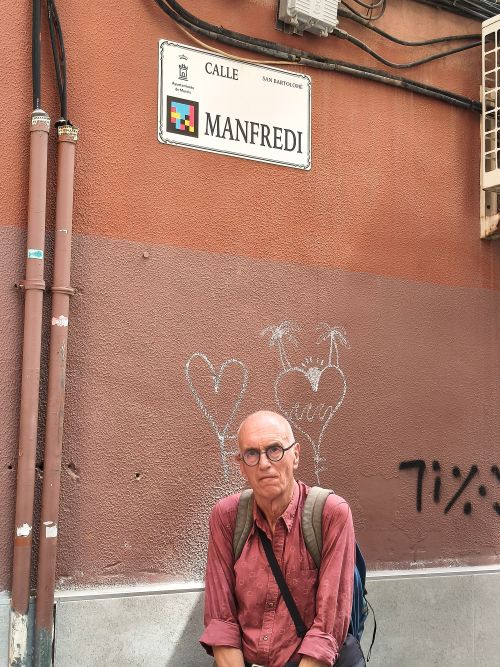
Continuing, we walked back to where the car was parked, passing the ‘Teatro De Romea’ (The Performing Arts Theatre) on the Plaza Julian Romea and through the narrow lanes where we happened upon a street called Calle Manfredi!
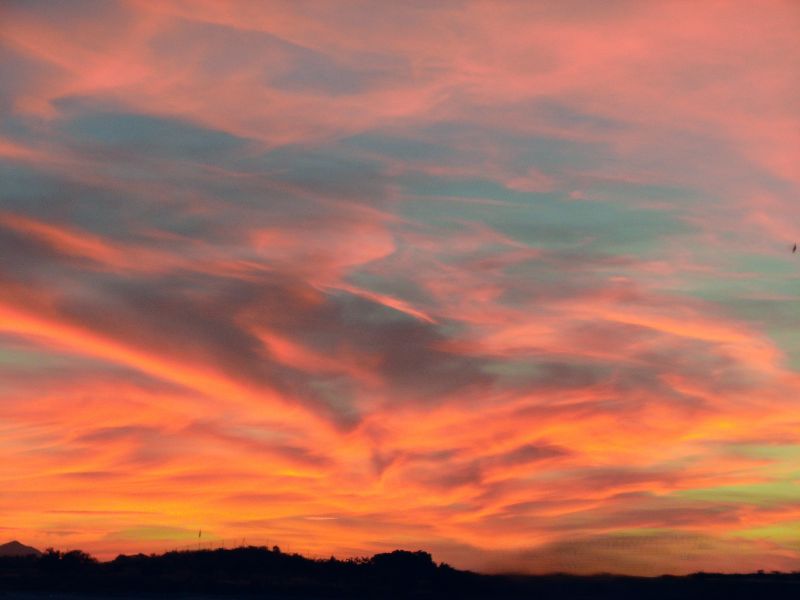
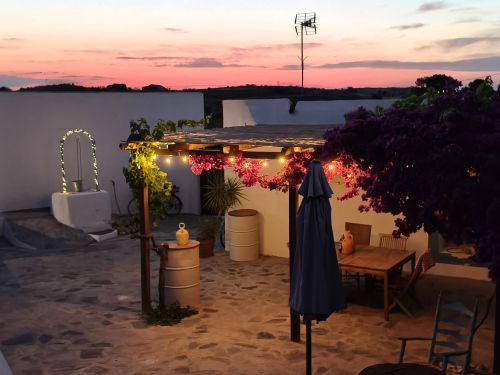
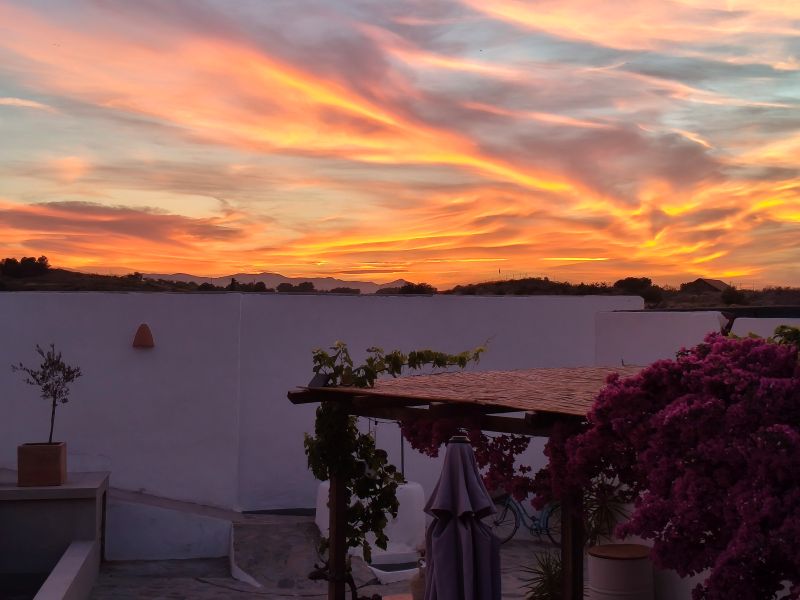
We snaked our way back via narrow streets and lanes to the front to the Ayuntamiento de Murcia (the city hall) and the ‘Glorieta de España’ before we drove back over the hill to Los Diaz. The sunsets were stunning in this quiet village where we relaxed by the pool and ate dinner after a very big day in the city.
El Portús beach, Venta Muela Restaurant and Cueva de Los Díaz de Galifa
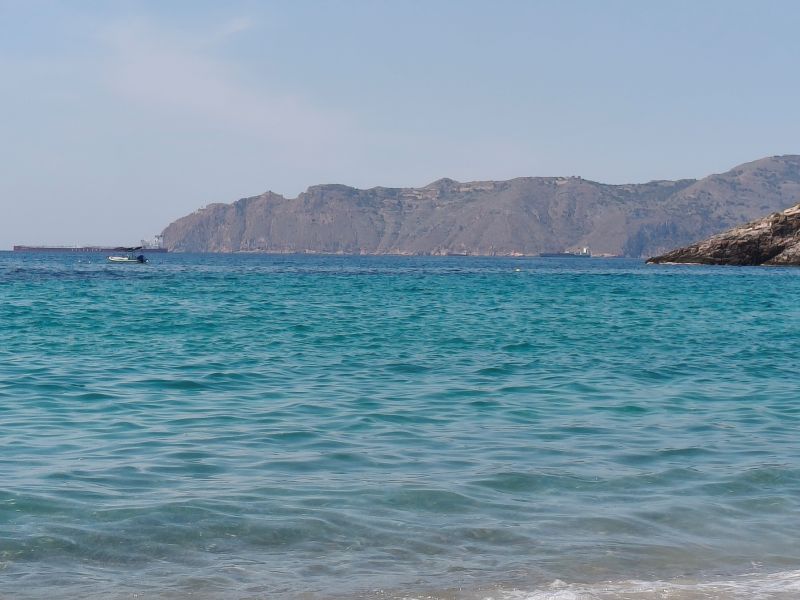
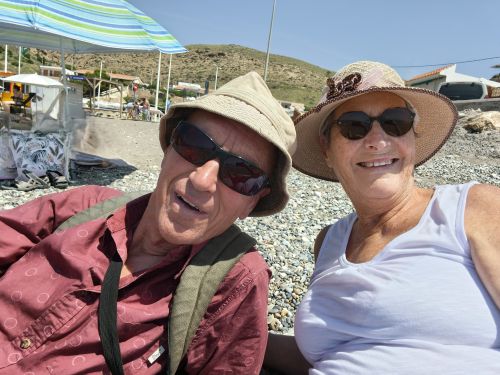
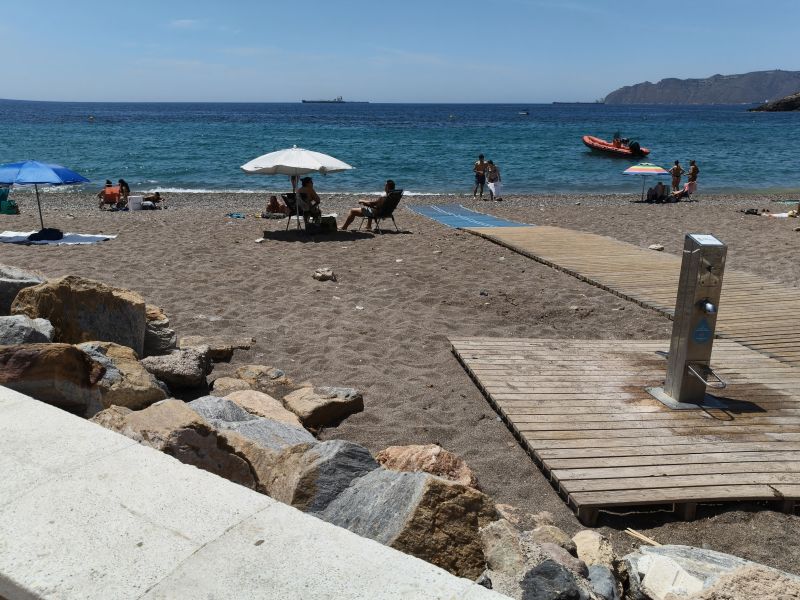
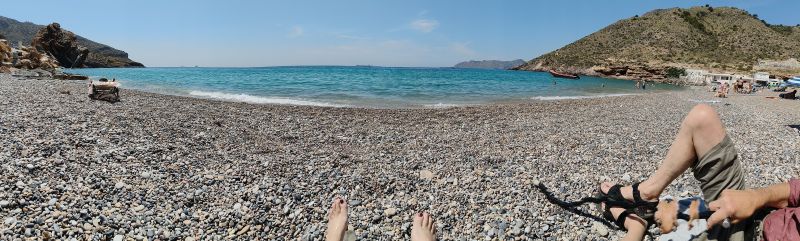
On our last day, we decided to relax knowing we had a long drive the following day to our next destination near Velez Malaga. We headed to the beach at El Portús, one of several beaches alongside a private camping ground and gated community, stopping off at ‘Venta Muela’ on our return.
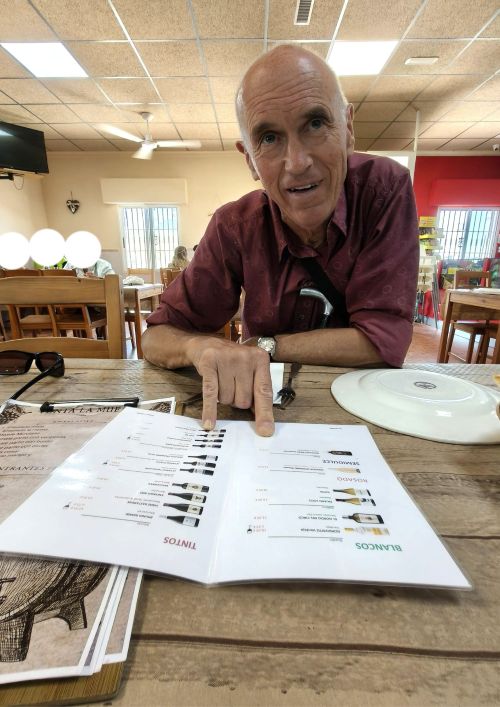
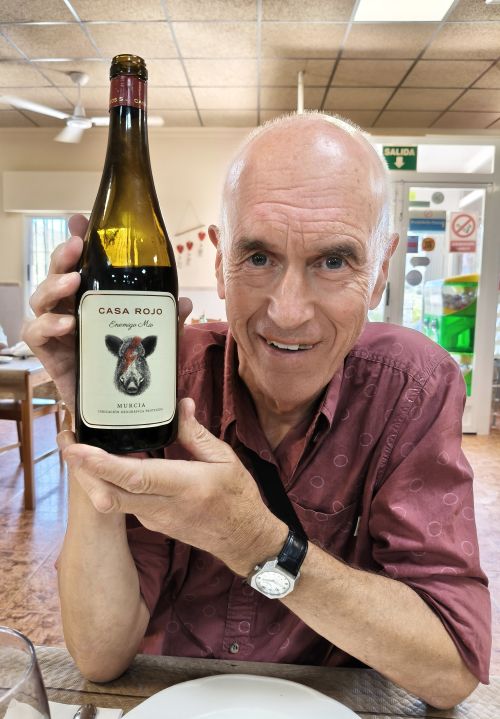
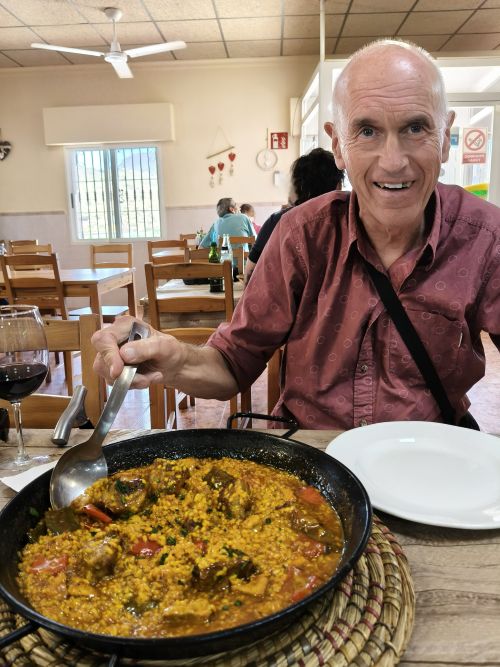
After enjoying a paella and nice wine, we searched out ‘Cueva de Los Díaz de Galifa’ a place we had seen on the map. This small natural cave has become famous thanks to the locals who set up a nativity scene deep in the cave around Christmas time.
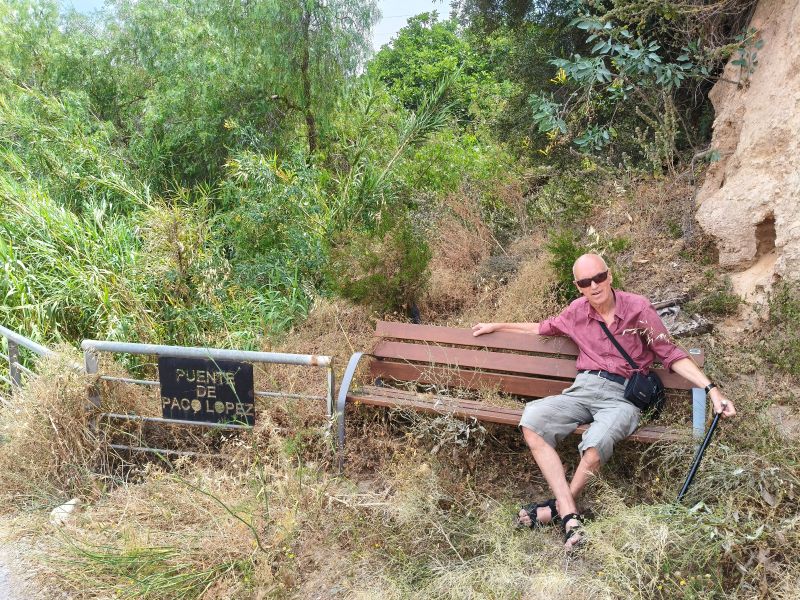
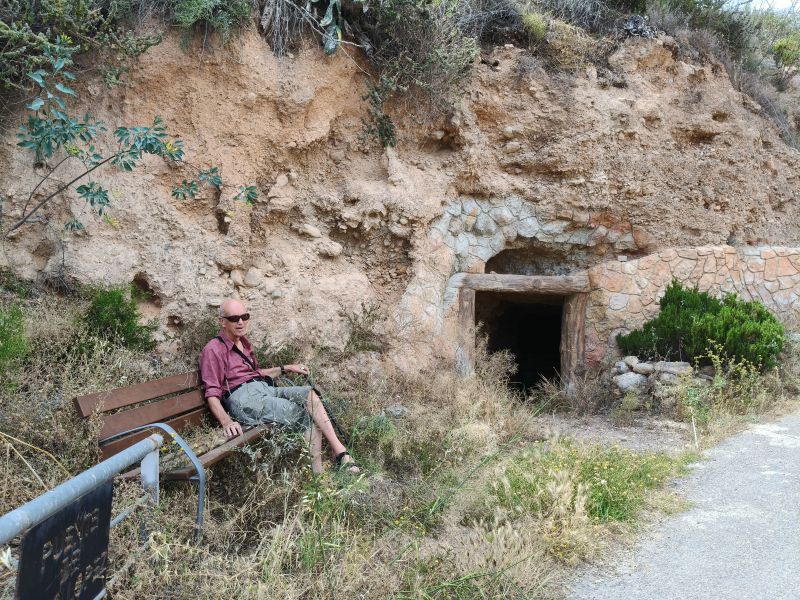
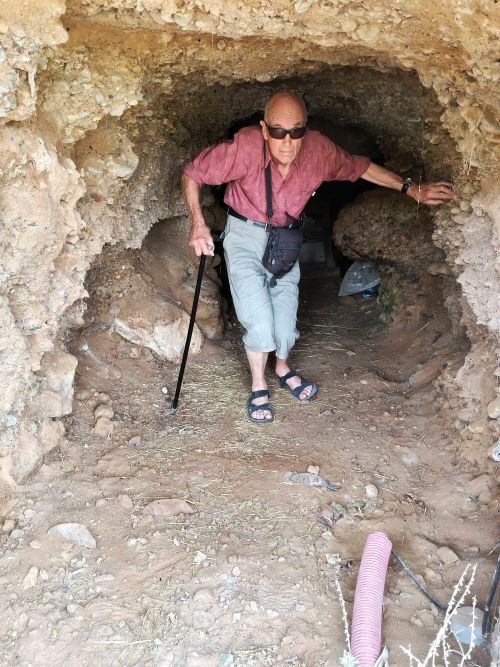
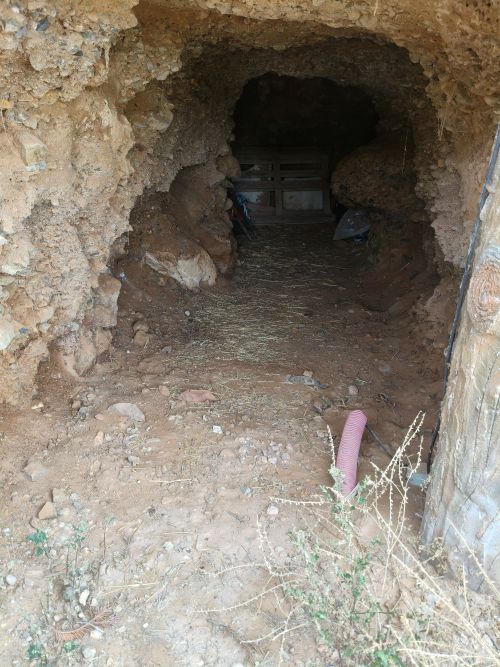
Alongside the narrow road leading to the cave, also at Christmas time, they set up a small model village near a replica windmill which was actively spinning at the time we were there.
There are many walking trails in this rugged and dry region and several guest houses are available.
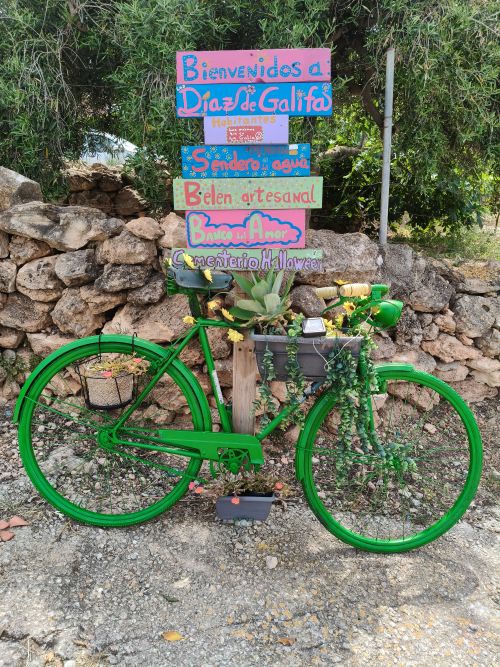
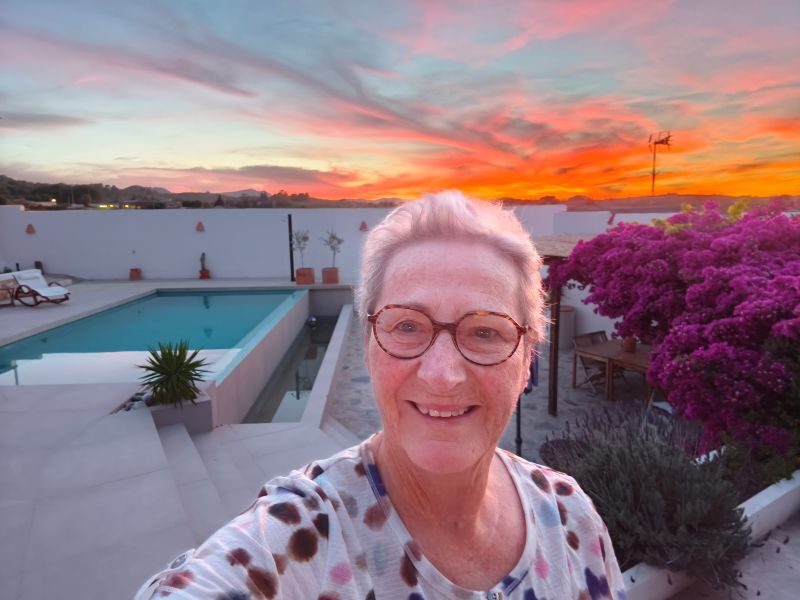
We drove the narrow roads back to our lovely accommodation, swam, chatted to our hosts, and after yet another amazing sunset, said goodbye before we packed our bags in preparation for leaving the next day.
The drive to Cabo de Gata
Cabo de Gata, La Isleta del Moro & Restaurante La Ola
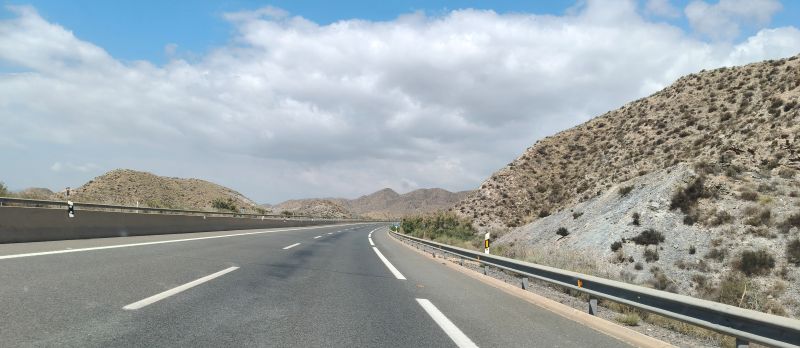
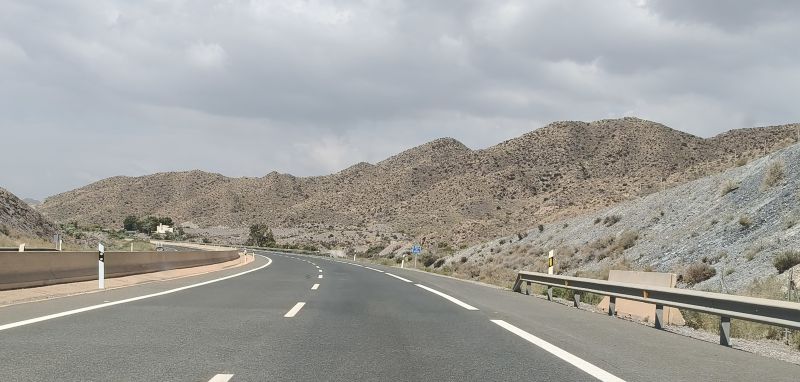
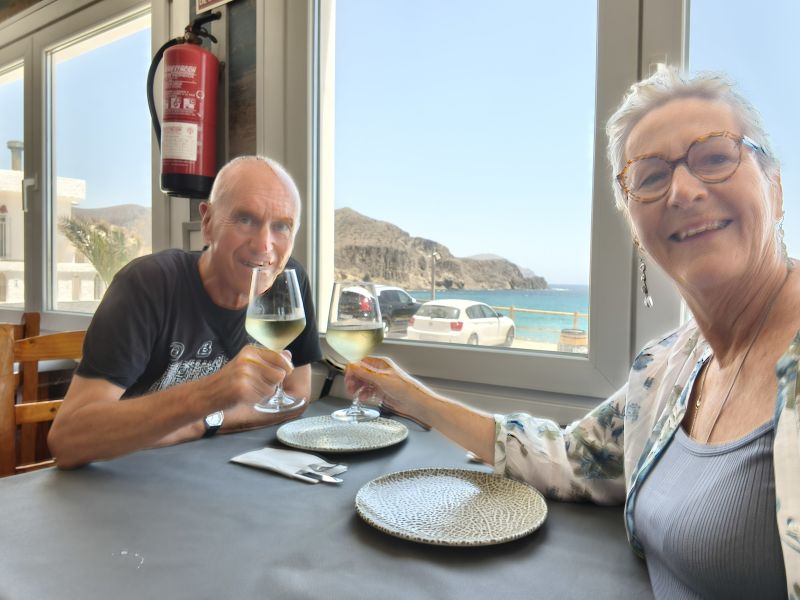
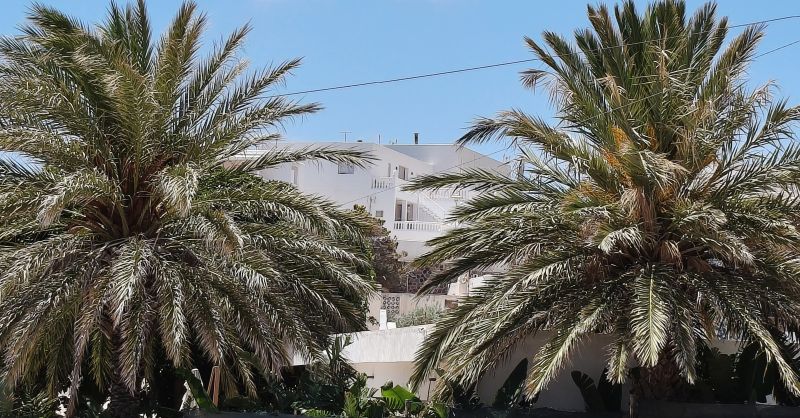
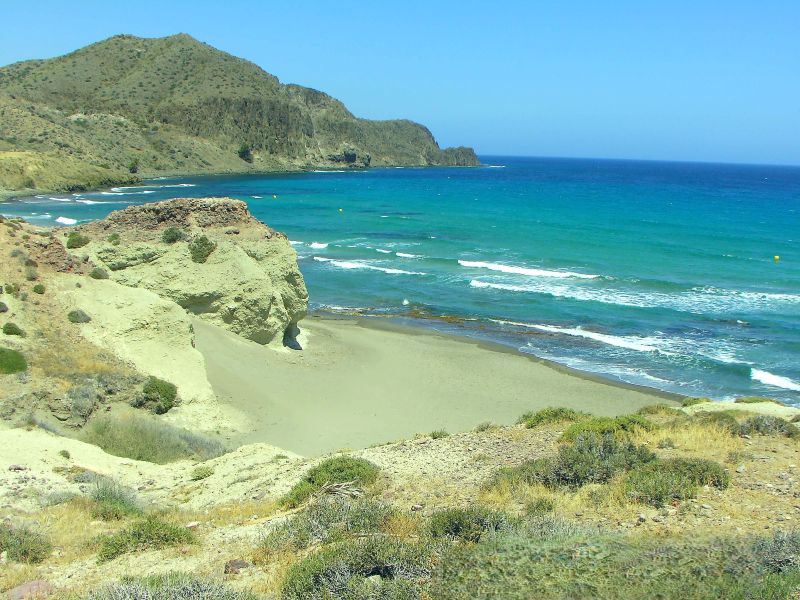
We drove the Coastal highway noticing the differences in the landscape from the inland highway we had taken just 10 days before. Leaving the Alicante and Murcia/Cartagena regions behind us, we anticipated our time in Andalucía again but first, having stayed in the Cabo de Gata region quite a few years before, we decided to revisit one of our favourite spots on the coast, La Isleta del Moro and have lunch at Restaurante La Ola.
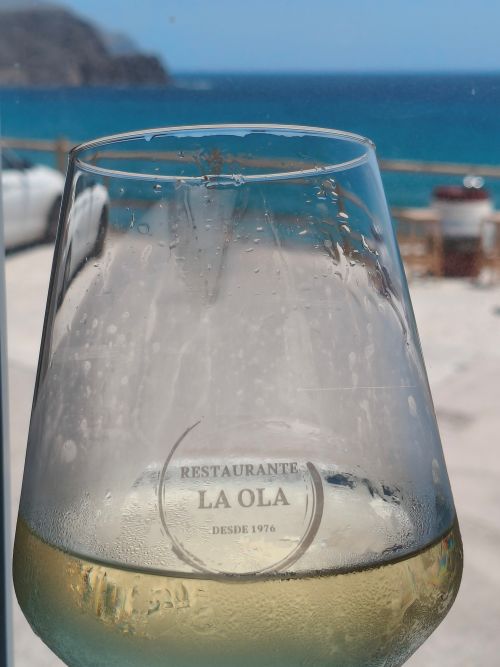
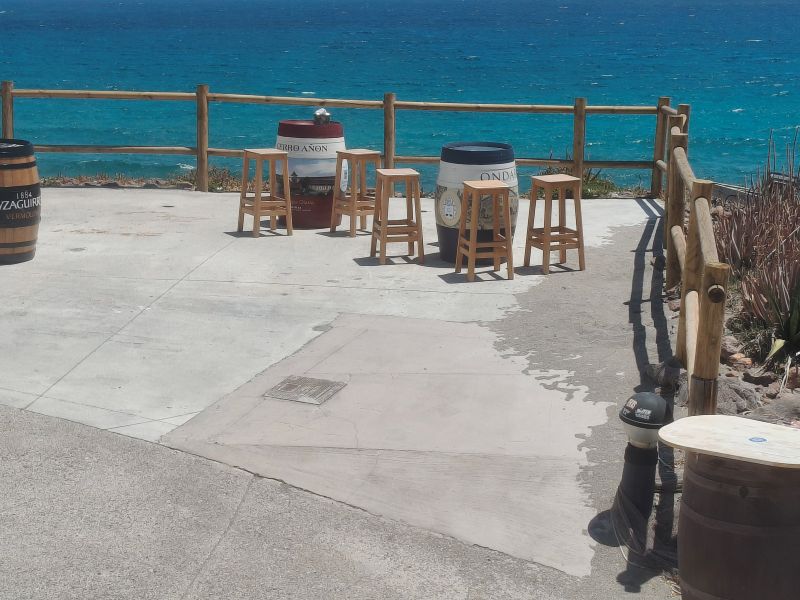
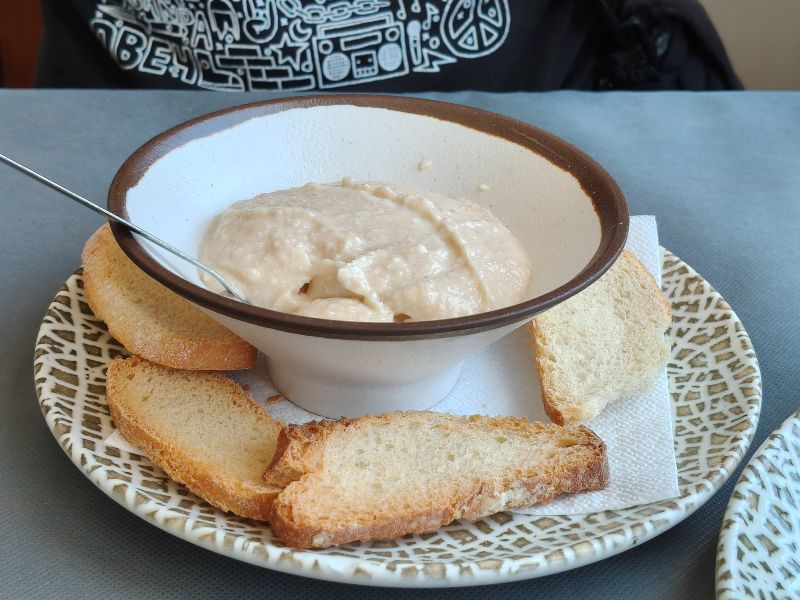
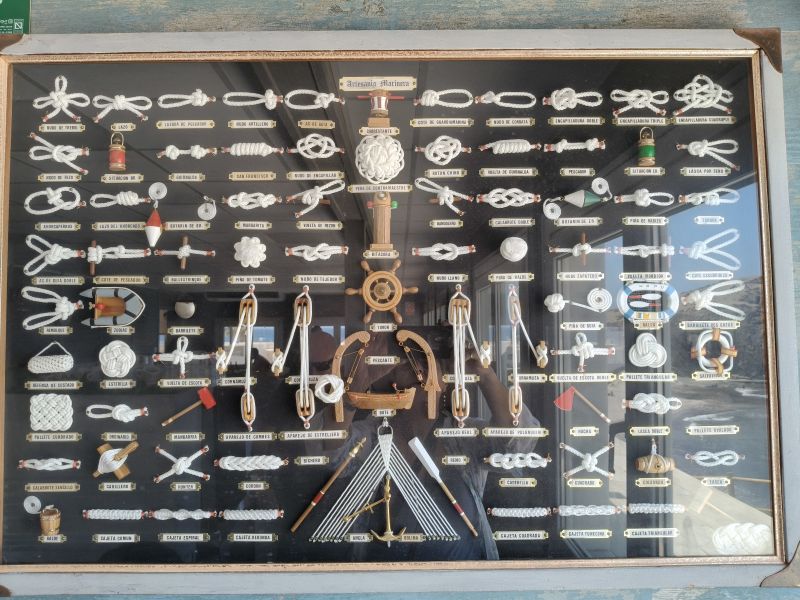
La Ola and La Isleta
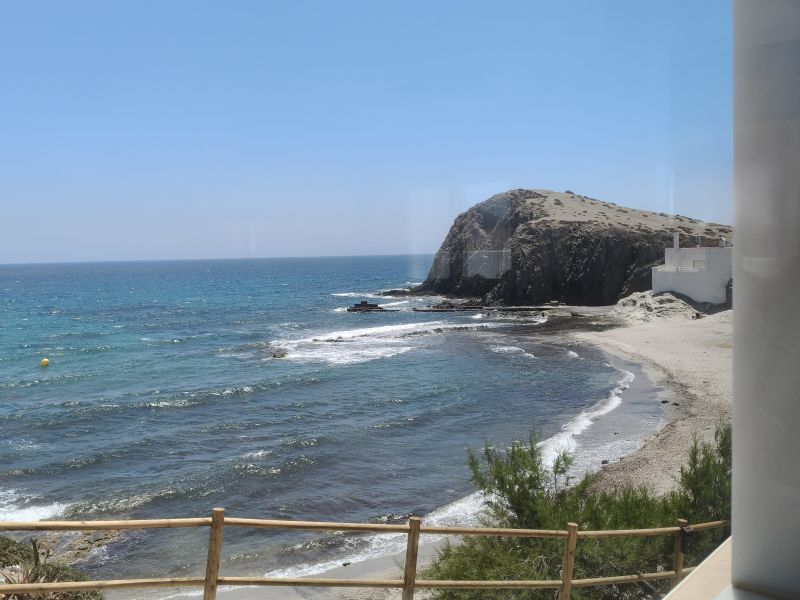
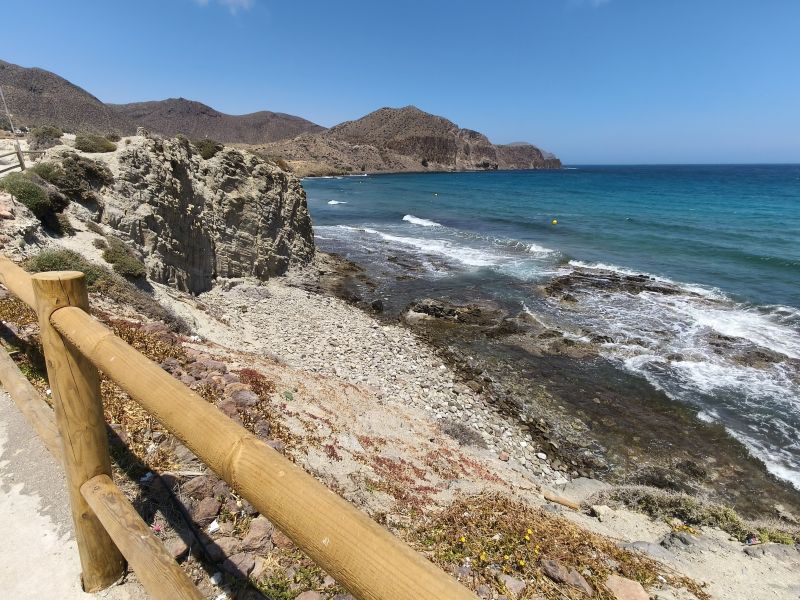
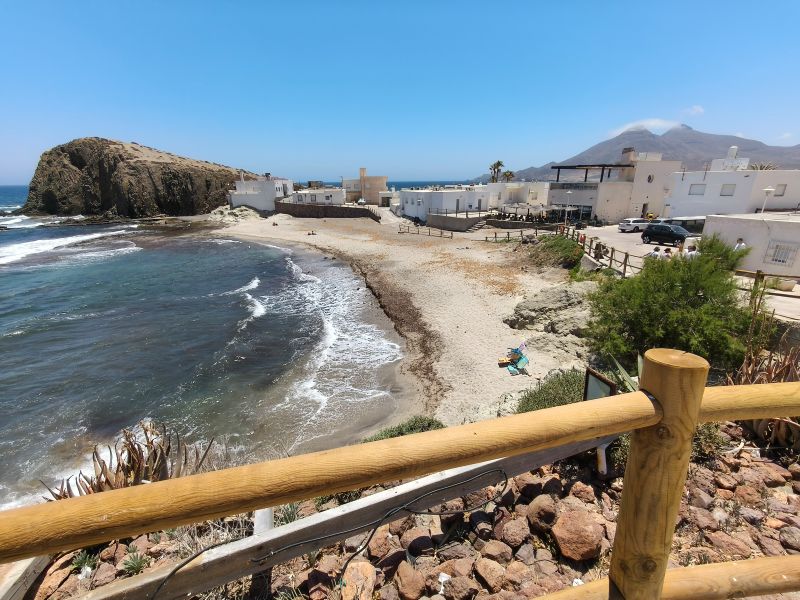
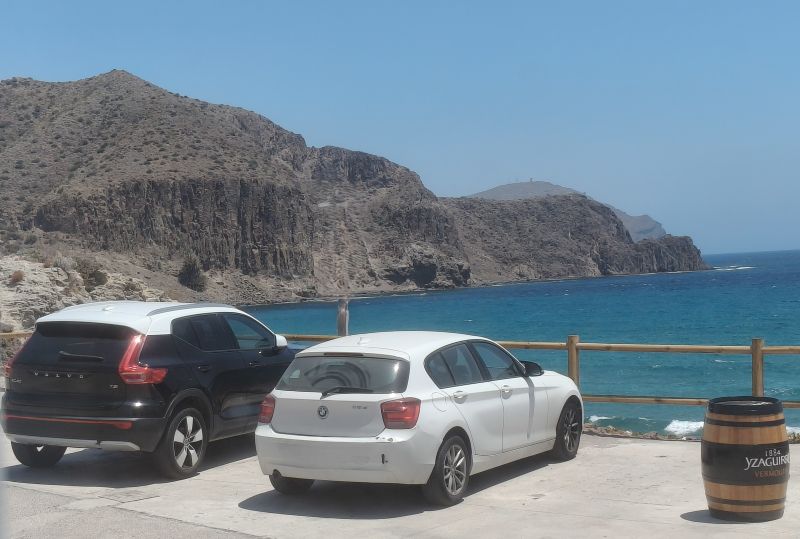
Read more here, including a stunning short YouTube!: https://www.visit-andalucia.com/guide-to-isleta-de-moro-almeria/
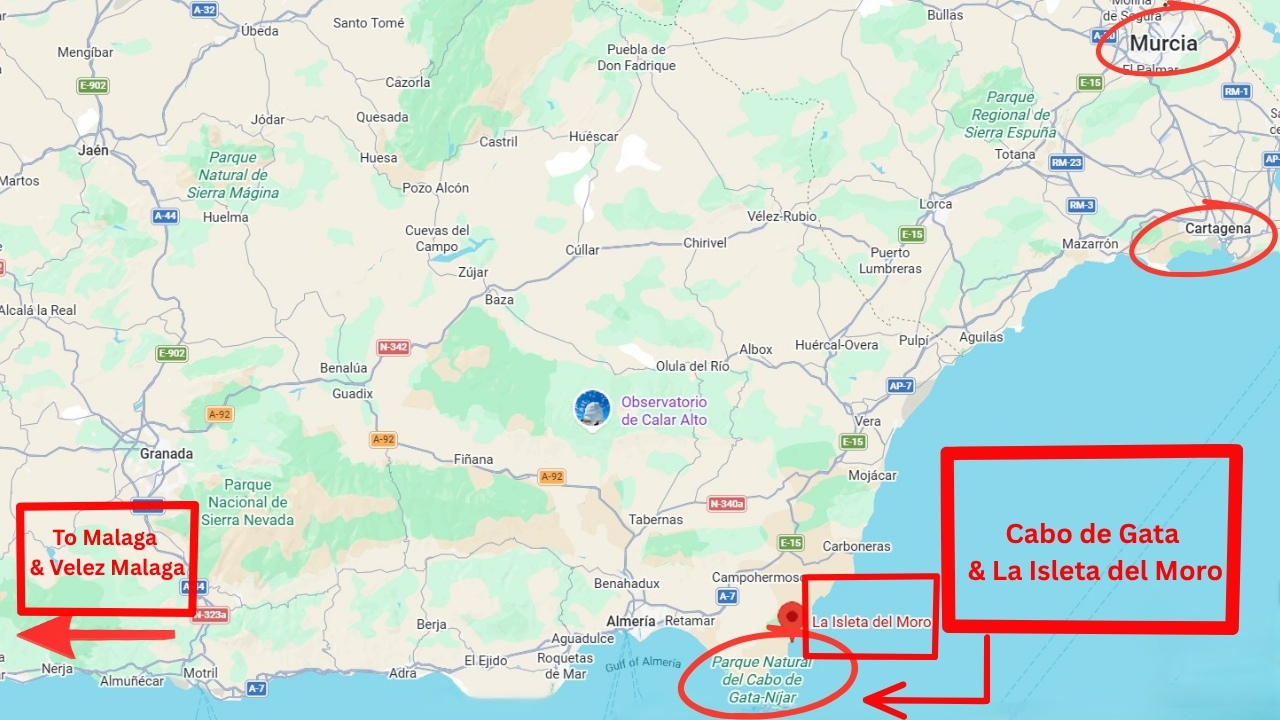
Book and eat here: https://laolarestaurante.es/
The drive was stupendous as we recalled villages we had frequented in this dry sandy region with huge cactus plants, high passes, and large vistas down to golden sandy beaches.
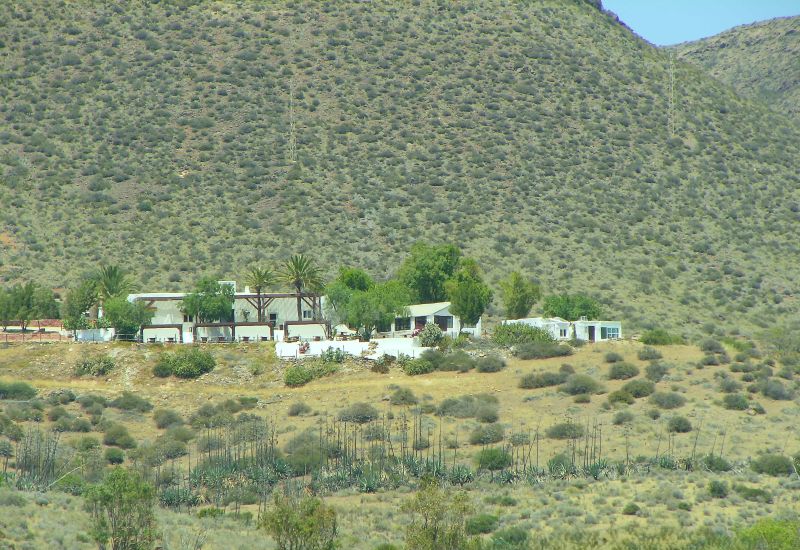
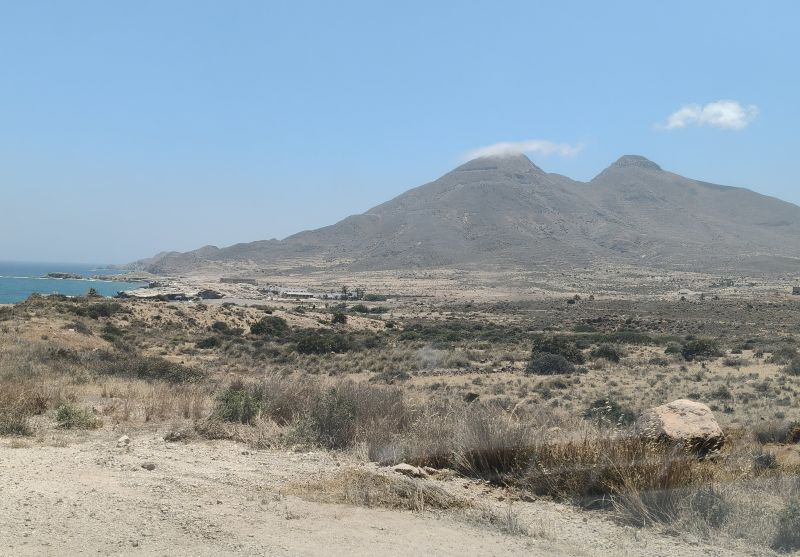
It was stunning to have the chance to visit again, and as we drove out of this Natural Park towards Almeria and the coastal drive to Velez Malaga, we were glad we had taken the time to stop and enjoy old haunts after exploring new territory.